Whether the Word Imperial Means Anything
It’s incredibly frustrating when you’re trying to understand a specific dog breed, only to be met with confusing and often misleading terminology. Many prospective Shih Tzu owners encounter the term “Imperial Shih Tzu” and wonder if it refers to a special, perhaps even more desirable, variant of this beloved companion dog. This guide will cut through the confusion, explaining precisely why this label exists, what it truly signifies, and why focusing on it might lead you down a risky path for your future furry family member.
What "Imperial Shih Tzu" Really Implies
When you see a dog advertised as an “Imperial Shih Tzu,” it often conjures images of ancient Chinese royalty or a particularly rare and majestic lineage. However, the reality is far less glamorous and, in many cases, quite concerning. This term is not recognized by any reputable canine registry or breed club. It's a marketing gimmick, plain and simple, usually employed to describe Shih Tzus that fall significantly below the breed's official weight standard.
The Lack of Official Recognition
Let's be absolutely clear: there is no such official breed as an "Imperial Shih Tzu." The American Kennel Club (AKC), the Kennel Club (UK), and all other major international registries recognize only one Shih Tzu breed, with one single breed standard. This standard dictates everything from physical appearance and temperament to an acceptable weight range. Any deviation from this, particularly when it comes to extreme smallness, is not a new variety but often a deviation from healthy conformation.
The use of "Imperial" alongside "Teacup" or "Tiny Toy" for other breeds is a red flag. These terms are commercial inventions designed to capitalize on a desire for miniature pets, often at the expense of the animal's health. They promise exclusivity but deliver uncertainty, and it's vital for any responsible owner to understand that official breed standards are in place for a reason – to preserve the health, temperament, and unique characteristics of the breed.
The Weight Range Associated with the Term
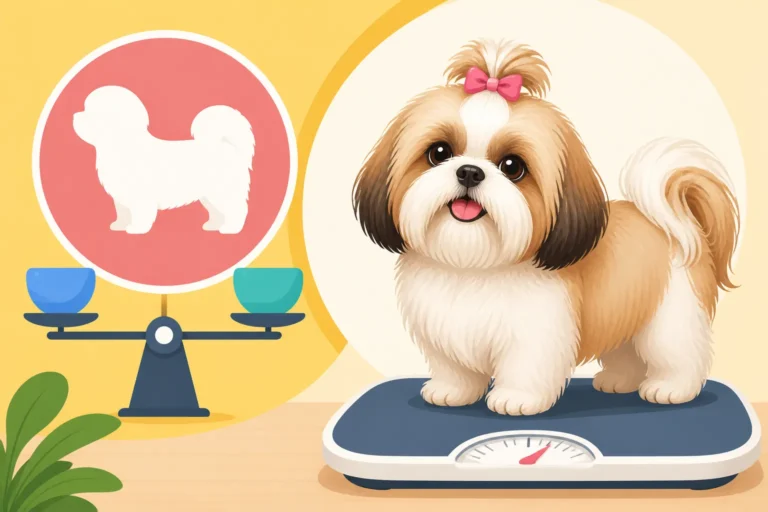
Typically, when a breeder uses the "Imperial" label, they are referring to a Shih Tzu that is expected to weigh under 9 pounds (approximately 4 kg) as an adult. The official AKC breed standard for the Shih Tzu states an ideal weight of 9 to 16 pounds (4.1 to 7.3 kg). This means an "Imperial" Shih Tzu is marketed as being noticeably smaller than even the lowest end of the acceptable standard.
While there can be natural variation within any litter, and some Shih Tzus might mature on the lighter side of the standard, actively breeding for dogs significantly under this range introduces a host of potential health problems. It's not about celebrating a naturally smaller dog; it's about pushing the boundaries of what is healthy for the breed, often to fetch a higher price from unsuspecting buyers.
Historical Misinterpretations and the "Imperial" Court
Part of the appeal of the "Imperial Shih Tzu" term comes from the breed's fascinating history. The Shih Tzu originated in Tibet and was later developed in the Forbidden City of China, cherished by the imperial court for centuries. These dogs were indeed revered companions of emperors and empresses, living lives of luxury within palace walls. They were "imperial" in the sense that they belonged to the imperial family.
However, this historical connection to royalty has been twisted by some breeders. The original imperial dogs were not necessarily smaller than today's breed standard; rather, they were prized for their lion-like appearance and companionable nature. The term "Imperial" in modern dog breeding is a misleading homage to this past, falsely implying that smaller size is somehow more historically accurate or inherently superior. Understanding The Empress Who Bred Shih Tzus in the Forbidden City can help clarify this historical context.
The Standard Shih Tzu Versus the "Imperial" Myth
To truly appreciate why the "Imperial" label is problematic, we need to understand the importance of the breed standard. This isn't just a set of arbitrary rules; it's a blueprint designed to ensure the health, structure, and temperament that define the Shih Tzu breed.
The AKC and Other Kennel Club Standards
The official breed standard, as defined by organizations like the AKC, provides a detailed description of the ideal Shih Tzu. It specifies everything from head shape, eye placement, and bite, to coat texture, tail set, and, crucially, weight and height. For instance, the AKC standard calls for a height of 9 to 10.5 inches at the shoulder and an ideal weight of 9 to 16 pounds. These guidelines are carefully developed by breed experts to promote dogs that are structurally sound and capable of living long, healthy lives.
When a dog falls outside these parameters, especially significantly below the minimum weight, it often signals potential health compromises. Reputable breeders adhere strictly to these standards, not just for show-ring success but, more importantly, for the welfare of the dogs they produce. They understand that a stable breed standard protects against practices that could harm the animals.
Why Size Matters in the Breed Standard
You might wonder why a few pounds can make such a big difference. For a toy breed like the Shih Tzu, every pound, or even half-pound, can impact their delicate anatomy. The breed standard sets a weight range that allows for proper development of bone structure, internal organs, and overall robust health. When a dog is intentionally bred to be much smaller than this, it can lead to a host of physical vulnerabilities.
Imagine trying to fit fully developed internal organs, a sturdy skeletal structure, and a healthy musculature into a frame that is unnaturally tiny. It often results in compromised health, including fragile bones, underdeveloped organs, and an increased susceptibility to common ailments. A Shih Tzu is a small dog already; pushing for even tinier versions often means sacrificing their inherent resilience.
How a Reputable Breeder Understands the Standard
A responsible Shih Tzu breeder prioritizes the health and well-being of their puppies above all else. They understand that the breed standard is a guide for producing healthy, typical examples of the breed. They won't breed specifically for "Imperial" or "Teacup" sizes. Instead, they focus on selective breeding that considers overall conformation, temperament, and genetic health. This includes Health Testing a Shih Tzu Breeder Should Do to screen for hereditary conditions like patellar luxation, eye problems, and kidney issues.
Such breeders are transparent about their dogs' lineage, health clearances, and expected adult size. They will never market a puppy using unofficial or misleading terms. When you talk to a reputable breeder, their focus will be on the health of the parents, the socialization of the puppies, and ensuring a good match for your lifestyle, not on making a puppy sound "exclusive" because it's unusually small.
Why Breeders Use the "Imperial" Label
The persistence of the "Imperial Shih Tzu" label, despite its lack of official recognition, speaks volumes about consumer demand and the allure of rarity. It's a classic case of marketing tapping into perceived value.
Marketing and Perceived Exclusivity
In a world where unique and exclusive items often fetch premium prices, the "Imperial" label is a clever marketing tool. It implies that these dogs are rarer, more delicate, and thus more special than a "standard" Shih Tzu. This perceived exclusivity allows some breeders to demand significantly higher prices for these undersized puppies, preying on buyers who might not be fully informed about breed standards or the potential health risks.
It's similar to how "Teacup" poodles or Chihuahuas are marketed. The smaller the dog, the more unique it's made to seem, and the more a breeder might charge. This isn't about ethical breeding; it's about creating a niche market for a product that often comes with hidden costs in terms of veterinary bills and heartache.
Intentional Breeding for Smaller Size
Unfortunately, to consistently produce these "Imperial" or "Teacup" sizes, some breeders engage in practices that are detrimental to the dogs' health. This can involve breeding the smallest dogs in a litter, often runts, hoping to produce even smaller offspring. Breeding two undersized parents together significantly increases the chances of compounding genetic weaknesses and health issues in their puppies.
Ethical breeding focuses on improving the breed, not shrinking it. Responsible breeders aim for robust health, good temperament, and adherence to the breed standard. Those who intentionally breed for extreme smallness are often disregarding these principles, prioritizing profit over the welfare of their animals. This is a crucial distinction when considering where your future Shih Tzu comes from.
Buyer Demand and Misinformation
A significant factor contributing to the perpetuation of the "Imperial" myth is buyer demand, often fueled by misinformation. People see photos of tiny puppies online or hear about "Teacup" dogs and become enamored with the idea of an incredibly miniature companion. They might not realize that the standard Shih Tzu is already a small toy breed, perfectly suited for apartment living and laps.
The desire for an even tinier dog can lead individuals to seek out these "Imperial" puppies, inadvertently supporting breeders who engage in less-than-ideal practices. Educating prospective owners about the reality of breed standards and the risks associated with undersized dogs is crucial to shifting this demand towards healthier, more ethically bred puppies. Understanding the true Shih Tzu Lifespan and the Thirteen Year Average might make people think twice about sacrificing health for size.
The Health Concerns of Undersized Shih Tzus
While all toy breeds can have certain predispositions, the health risks for intentionally undersized or "Imperial" Shih Tzus are often exacerbated and more severe. Their tiny frames struggle to support even normal bodily functions, leading to a cascade of potential issues.
Fragile Bones and Vulnerability to Injury
One of the most immediate concerns with an unnaturally small Shih Tzu is their extreme fragility. Their bones are often much thinner and more delicate than those of a standard-sized Shih Tzu, making them incredibly prone to fractures. A simple jump off a sofa, a fall, or even being accidentally stepped on can result in serious, painful injuries. Imagine the daily stress of constantly worrying about your tiny companion's safety.
This vulnerability impacts their quality of life. They might be unable to engage in normal play, or even navigate typical household environments without constant supervision. It’s a sad reality that what makes them "cute" in size also makes them incredibly susceptible to harm. For a breed already prone to issues like Shih Tzu Joint Problems in a Toy Frame, adding fragility only makes things worse.
Hypoglycemia and Metabolic Issues
Very small puppies, particularly those marketed as "Imperial," are at a significantly higher risk of hypoglycemia, or dangerously low blood sugar. Their tiny bodies have limited fat reserves and a less developed ability to regulate blood glucose levels. This means they need frequent, small meals to maintain stable sugar levels, and even a short period without food can lead to a hypoglycemic crash, characterized by weakness, lethargy, confusion, seizures, and even death.
Managing hypoglycemia in a tiny puppy requires constant vigilance, especially during the first few months of life. It’s not just a puppy issue either; some undersized adults continue to struggle with metabolic imbalances throughout their lives, requiring specialized care and diet.
Organ Development and Brachycephalic Challenges
The Shih Tzu is a brachycephalic breed, meaning they have a shortened skull, which can lead to specific health challenges such as Brachycephalic Breathing in a Shih Tzu and Shih Tzu Eye Proptosis, the Emergency Owners Miss. When a Shih Tzu is bred to be unnaturally small, these existing breed-specific issues can become more severe. Their tiny heads may mean even more crowded airways, making breathing difficulties more pronounced. Their already prominent eyes might be even more exposed and vulnerable to injury or proptosis due to an even shallower eye socket.
Furthermore, internal organs in an undersized dog may not have sufficient space to develop and function optimally. This can lead to issues with the heart, lungs, kidneys, or liver. Conditions like Renal Dysplasia and the Shih Tzu Kidney, which can be inherited, might be more severely expressed or harder to manage in a dog with an already compromised, miniature system.
Dental Problems in a Tiny Mouth
Shih Tzus are known for having crowded teeth in their relatively small jaws, which makes them predisposed to Shih Tzu Dental Disease at 13 Percent of the Breed. For an "Imperial" Shih Tzu with an even smaller mouth, these dental issues are often significantly worse. Their teeth might be even more misaligned, leading to food and plaque accumulation, early onset of periodontal disease, pain, and tooth loss.
Regular dental care, including daily brushing and professional cleanings, is paramount for any Shih Tzu. For an undersized one, the need is often magnified, requiring more frequent and potentially more complex interventions. You can find excellent dental supplies for tiny mouths on pet retail sites like Chewy, but even the best tools can't fully counteract genetic predispositions to severe crowding.
What to Look for Instead of an "Imperial" Label
Instead of chasing a marketing term that often signals health risks, focus your search on finding a healthy, well-adjusted Shih Tzu from a responsible source. This means prioritizing ethical breeding practices, proven health, and a commitment to the breed standard.
Reputable Breeder Practices
Finding a reputable breeder is the single most important step in acquiring a healthy Shih Tzu. Such breeders are dedicated to the welfare of their dogs and the integrity of the breed. They will:
- Be transparent: Provide full access to their facility (even if virtual), introduce you to the dam (mother), and possibly the sire (father) if he is on-site.
- Prioritize health: Perform thorough health testing on their breeding stock and be eager to share the results, explaining what tests they do, like those for eyes, patellas, and kidneys. The DNA and OFA Tests for a Shih Tzu Litter are good examples.
- Adhere to the standard: Their goal is to produce dogs that fit the recognized breed standard, ensuring proper size, conformation, and temperament.
- Screen buyers: They will ask you many questions to ensure their puppy is going to a good home, demonstrating their commitment to their dogs' future.
- Offer support: A good breeder remains a resource for the lifetime of your dog, willing to offer advice and guidance.
Health Testing and Genetic Clearances
A hallmark of a responsible breeder is their commitment to health testing and providing genetic clearances. For Shih Tzus, this includes screening for:
- Eye conditions: Many Shih Tzus are prone to eye problems due to their prominent eyes. Breeders should have their dogs certified by a veterinary ophthalmologist through organizations like the Orthopedic Foundation for Animals (OFA) or the Canine Eye Registration Foundation (CERF).
- Patellar luxation: This is a common orthopedic issue in small breeds where the kneecap slips out of place. Breeding dogs should have their patellas evaluated by a vet and ideally certified clear by OFA.
- Renal dysplasia: A serious inherited kidney disease. While a DNA test for renal dysplasia in Shih Tzus can be inconclusive, ethical breeders pay close attention to lines that have produced affected dogs and will perform regular kidney screenings on their breeding animals.
Always ask for proof of these health clearances for both parents. Don't just take a breeder's word for it. These records are vital indicators of a commitment to producing healthy puppies.
Prioritizing Temperament and Longevity
Ultimately, you want a companion who will be a joy to live with for many years. A healthy temperament and a good chance at a long, happy life should always outweigh any desire for a "unique" or "tiny" size. A standard-sized Shih Tzu is already an incredibly loving, adaptable, and playful companion, perfectly suited for families or individuals. Their Shih Tzu Temperament and the Companion It Was Bred to Be is one of their most cherished qualities.
Focus on finding a puppy that is bright, alert, well-socialized, and comes from parents with stable, friendly dispositions. These qualities, combined with responsible breeding for health, are far more valuable than a misleading label that promises rarity but delivers risk. A healthy Shih Tzu, within its proper breed standard, offers the best chance at a full and vibrant life.
Consider Adoption from a Reputable Rescue
If purchasing a puppy from a breeder isn't the right path for you, consider adopting a Shih Tzu from a reputable breed-specific rescue organization. These organizations often take in Shih Tzus of all ages, including adults, and can provide a wonderful alternative to buying a puppy. When you Adopting a Shih Tzu Whose Past Nobody Knows, a good rescue will have thoroughly vetted the dog's health, temperament, and history to the best of their ability.
Rescue dogs often come with the benefit of already being spayed/neutered, microchipped, and up-to-date on vaccinations. The rescue staff can give you honest insights into the dog's personality and any known health conditions, helping you find a perfect match. Plus, you'll be giving a deserving dog a second chance at a loving home. For all their needs, from a cozy new bed to their favorite treats, Chewy is a fantastic resource for everything a rescue Shih Tzu could desire.
| Feature | Standard Shih Tzu (AKC/KC Recognized) | "Imperial Shih Tzu" (Marketing Term) |
|---|---|---|
| Official Recognition | Yes, recognized by all major kennel clubs. | No official recognition by any kennel club. |
| Adult Weight Range | 9-16 pounds (4.1-7.3 kg) typically. | Under 9 pounds (often under 5-7 lbs) marketed. |
| Breeding Focus | Adherence to breed standard, health, temperament. | Extreme smallness, often for higher price. |
| Health Risks | Predisposed to certain breed-specific issues (eyes, breathing, dental, patellas), but reputable breeding aims to mitigate. | Exacerbated health risks due to extreme size: fragile bones, severe hypoglycemia, more pronounced brachycephalic issues, severe dental crowding. |
| Longevity | Generally good lifespan, often 10-16 years with good care. | Potentially shorter lifespan and more chronic health issues due to fragility and metabolic challenges. |
| Price | Varies based on pedigree, location, breeder reputation. | Often significantly higher, due to perceived "rarity" or "exclusivity" of size. |
Disclaimer
This article is for general informational purposes only and does not constitute professional advice. Laws, prices and regulations vary by location and change over time. Consult a qualified professional for guidance on your specific situation.