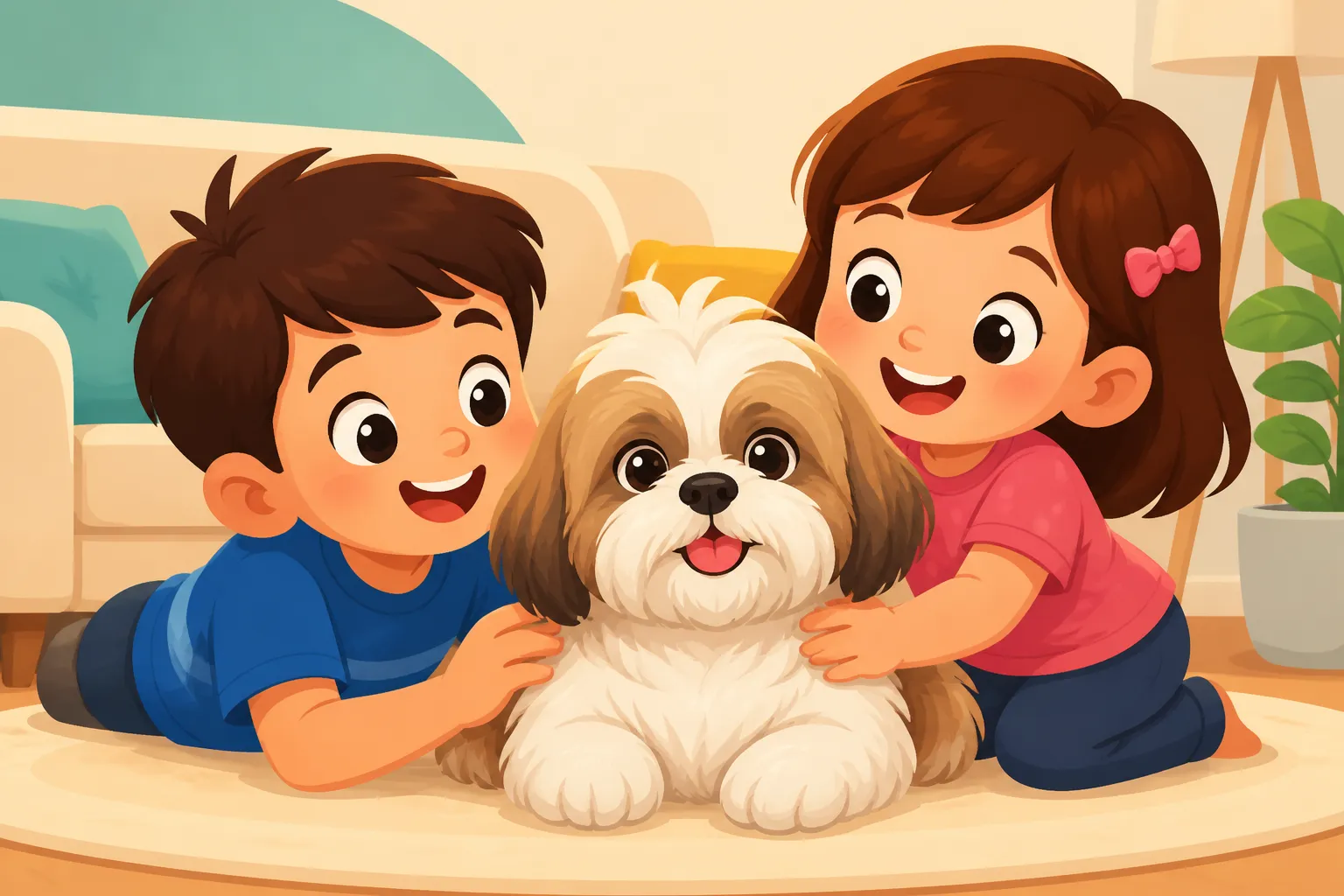
A Shih Tzu Sharing a House With Children
Bringing a new Shih Tzu into a bustling household, especially one with children, can feel like a delicate balancing act. You want your sweet, fluffy companion to be safe and happy, and you absolutely want your children to have a loving pet experience without any worries. This guide is here to walk you through how to successfully integrate a Shih Tzu into a home with kids, focusing on realistic expectations, gentle training, and creating a harmonious environment for everyone.
Understanding Shih Tzu Temperament Around Children
It's easy to assume all small dogs are automatically great with kids, but every breed, and indeed every individual dog, has its own unique personality and needs. Understanding the typical Shih Tzu temperament is the first step to ensuring a positive experience for your family.
The Shih Tzu's Companion Nature
Shih Tzus were literally bred for companionship, spending centuries as lap warmers and pampered pets for royalty. This means they generally thrive on human interaction and affection. They love being close to their people, following them from room to room, and snuggling up for a good nap. This desire for closeness can be a wonderful trait in a family home, as they often seek out the company of children once a bond is established. They tend to be quite adaptable to the rhythms of a household, enjoying both quiet cuddle time and playful bursts of energy. Think of them as tiny, furry shadows who want to be part of everything you do. This inherent desire for connection makes them amenable to forming strong bonds with every family member, including the younger ones, if introduced correctly. Shih Tzu Temperament and the Companion It Was Bred to Be goes into more detail about their historical role and how it shaped their personality.
Sensitivity and Body Language
While affectionate, Shih Tzus can also be quite sensitive. Their small size and gentle nature mean they can easily be startled or overwhelmed by sudden loud noises, quick movements, or rough handling. They aren't typically a breed that tolerates being pulled on or chased, and they might retreat or even snap if they feel cornered or threatened. Learning to read their subtle body language is crucial. A Shih Tzu might yawn, lick its lips, turn its head away, or even freeze before escalating to a growl or nip. These are all signs that they're feeling uncomfortable and need space. Teaching children to recognize these signals is just as important as teaching the dog boundaries. A relaxed Shih Tzu will have soft eyes, a loosely wagging tail, and an overall relaxed posture. If you see their body stiffen, their tail tuck, or their eyes widen, it’s a clear signal that the interaction needs to stop.
Why They Aren't Always "Kid Dogs"
Despite their loving nature, Shih Tzus aren't always the ideal "rough and tumble" playmates that some children might expect. Their delicate frames, prominent eyes (prone to issues like Shih Tzu Eye Proptosis, the Emergency Owners Miss), and brachycephalic (flat) faces make them physically vulnerable. A child who accidentally steps on them, drops them, or pulls too hard on their luxurious coat can inadvertently cause serious injury. This isn't to say they can't coexist wonderfully with children, but it emphasizes the need for careful management and education. They thrive in homes where children are taught gentleness and respect for a dog's personal space. Without proper guidance, a sensitive Shih Tzu might learn to fear children, leading to avoidance or defensive behaviors. It's about matching expectations with reality, understanding that their small size is a charm, but also a vulnerability.
Preparing for a Shih Tzu's Arrival with Children
The success of your Shih Tzu joining a family with children largely depends on the preparation you put in before the new furry family member even steps paw in the door. It’s about setting up the environment and expectations for both your human and canine family members.
Setting Realistic Expectations
Before welcoming a Shih Tzu, sit down with your children and have an honest conversation. Explain that a new puppy isn't a toy, but a living creature with feelings and needs. Talk about the responsibilities involved, like feeding, grooming, and potty training, and emphasize that the Shih Tzu might need quiet time and won't always be up for play. It's vital to stress that they must be gentle. Showing them videos of appropriate dog-child interactions can be helpful. Discuss that the puppy will chew, have accidents, and need a lot of sleep, especially when young. Shih Tzu Puppy Training Month by Month is a great resource to understand what to expect developmentally. Manage expectations regarding immediate bonding; some dogs take time to warm up to all family members, especially active children.
Creating Safe Spaces for Both
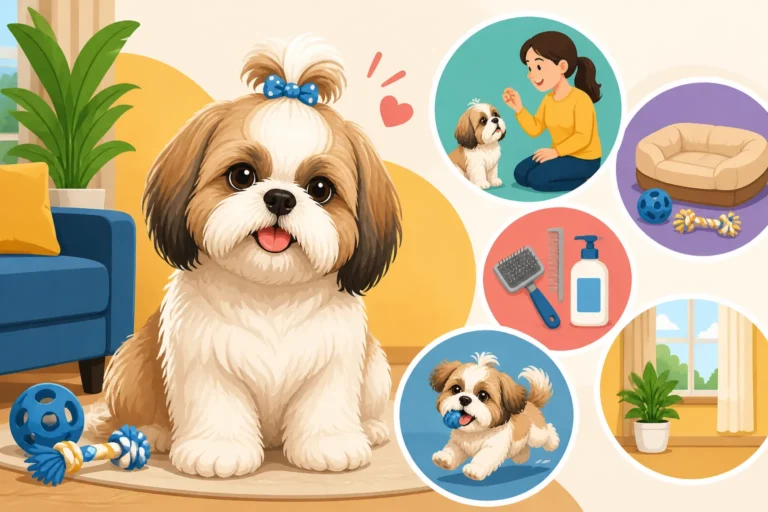
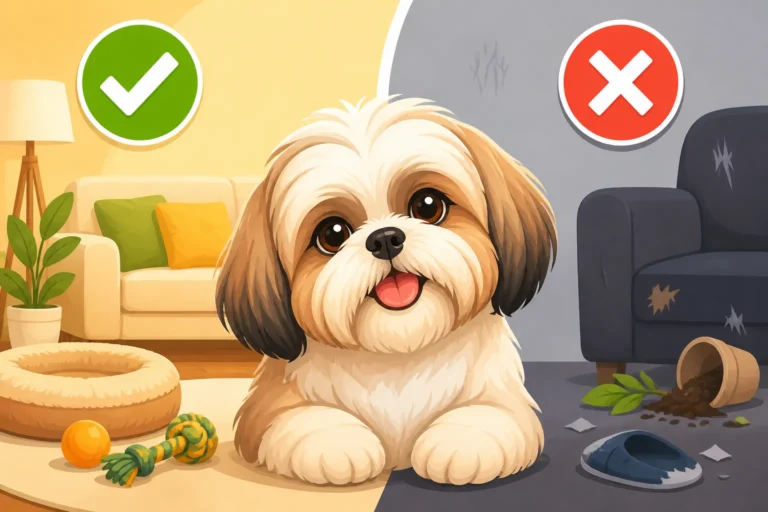
Every Shih Tzu, especially one living with children, needs a designated safe space where they can retreat and be undisturbed. This could be a crate, a soft bed in a quiet corner, or a playpen. Teach your children that when the dog is in its "den," they must leave it alone. This den becomes the dog's sanctuary, a place where it feels secure and can decompress from the excitement of family life. Similarly, designate areas where children can play freely without the dog underfoot, especially with small toys that could be choking hazards. Baby gates can be incredibly useful for managing these zones, allowing for visual connection without direct interaction when needed. A quiet corner in the living room, perhaps with a plush bed purchased from a retailer like Chewy, can make a huge difference in your Shih Tzu feeling secure.
Puppy Socialization with Kids
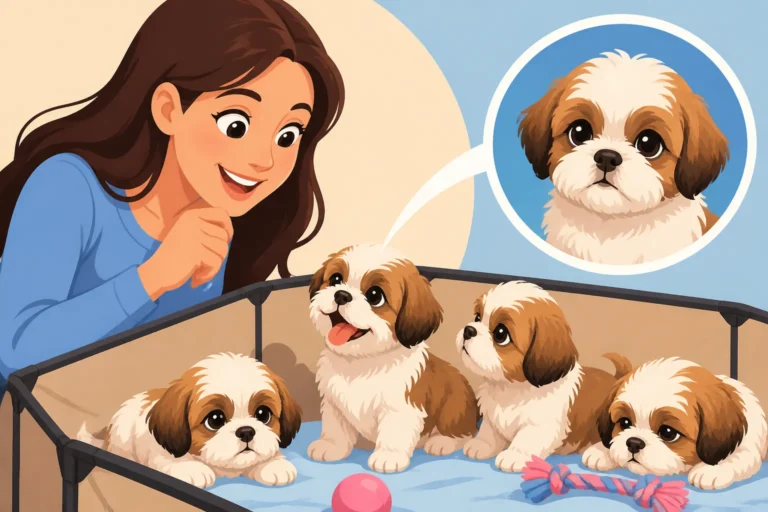
Early, positive socialization is absolutely critical. If you’re bringing home a puppy, expose it to children of various ages in a controlled, positive manner from a young age. This means supervised, brief interactions where both the puppy and the child have positive experiences. Use treats and praise to reward calm behavior from both parties. A puppy class that includes exposure to different people and sounds can also be beneficial. For an older adopted Shih Tzu, approach socialization even more slowly, prioritizing gentle introductions and observing the dog's comfort levels closely. Never force interactions. The goal is to build positive associations, so the dog learns that children mean good things, like treats and gentle pets, not scary or overwhelming experiences. Remember, The Shih Tzu Socialization Deadline is quite important for puppies to develop into well-adjusted adults.
Teaching Children How to Interact Safely
Once your Shih Tzu is home, the ongoing education of your children is paramount. This isn't a one-time conversation, but an evolving lesson in empathy, respect, and safe boundaries.
Gentle Handling and Respect
This is the golden rule. Children, especially young ones, need clear, consistent instruction on how to touch a Shih Tzu. Demonstrate "gentle hands" – stroking softly along the back or shoulder, avoiding pulling on ears, tail, or fur, and definitely no poking eyes or trying to pick them up without supervision. Teach them to always approach the dog calmly, not run at it. Explain that dogs have feelings and can get hurt, just like people. Practice with a stuffed animal first, showing them exactly how to pet and talk in a soft voice. Reinforce good behavior with praise for both the child and the dog. Make sure they understand that chasing or startling the dog is never okay. For helpful tips on physical interactions, you might want to read Showing a Child How to Carry a Shih Tzu.
Recognizing Dog's Signals
Empowering children to understand what their Shih Tzu is "telling" them through body language can prevent many negative interactions. Teach them the basic "stop" signals: if the dog yawns, licks its lips, turns its head away, or tries to move away, it means "I need a break." Explain that a growl is a warning, not a sign of a "bad" dog, and should always be respected immediately. Never punish a growl, as it's the dog's way of communicating discomfort before a bite. Instead, remove the child or the dog from the situation. Learning these cues helps children build respect for the dog's boundaries and fosters a deeper, safer connection. You can even make it a game to spot what the dog is feeling, reinforcing positive observation skills.
"Leave the Dog Alone" Rules
Establishing clear "Leave the Dog Alone" rules is non-negotiable for safety. This means no disturbing the dog when it's eating, sleeping, or resting in its designated safe space. Children should also avoid trying to take toys or food away from the dog, as this can trigger resource guarding behaviors. When a Shih Tzu is playing with a favorite toy from Chewy, or enjoying a meal, it's their time. These rules create predictable boundaries for the dog, reducing stress and the likelihood of defensive reactions. Post these rules visually in your home as a reminder for everyone, and consistently enforce them. This teaches children patience and respect for another living being's autonomy, which are valuable life lessons.
Supervision and Safe Play Zones
Even with the best preparation and training, a Shih Tzu and children should never be left unsupervised. Accidents can happen in a split second, and adult presence is the ultimate safety net.
Constant Adult Supervision is Key
This cannot be stressed enough: always supervise interactions between your Shih Tzu and children, especially toddlers and very young kids. An adult needs to be present, actively watching and ready to intervene if either the child or the dog shows signs of stress or inappropriate behavior. Supervision isn't just about preventing bites; it's about guiding interactions, reinforcing good habits, and building a positive relationship. Even if your Shih Tzu seems incredibly tolerant, it's simply not fair to put them in a position where they might be overwhelmed. This close oversight also allows you to teach and model appropriate behavior in real-time. Think of yourself as a referee, ensuring fair play and safety for both sides.
Designated Quiet Zones for Your Shih Tzu
Beyond the "den" for rest, consider designated quiet zones within your home where your Shih Tzu can simply exist without constant child interaction. This might be a specific dog bed in a less trafficked area, or even a section of a room gated off. These areas serve as a decompression zone, allowing your Shih Tzu to observe family life from a safe distance when they don't want to be actively involved. It helps prevent them from feeling constantly on-guard or overwhelmed by the energy of children. These zones also give you an easy way to manage situations when children are particularly boisterous, or when the dog just needs a break. Consider a soft, orthopedic dog bed from a trusted brand like Chewy for these quiet zones to ensure maximum comfort. A Shih Tzu Hiding From Loud Children highlights how important these safe spaces are for sensitive dogs.
Managing High-Energy Play
Shih Tzus are not typically high-energy dogs, but they do enjoy bursts of play. When children want to play, guide them towards appropriate activities. Instead of roughhousing or chasing, suggest games like gentle fetch with soft toys, or hide-and-seek with treats. Teach children to throw toys gently and to wait for the dog to bring it back, rather than snatching it. Avoid games that involve wrestling or teasing, as these can inadvertently teach the dog to use its mouth or become over-stimulated. When play gets too intense for your Shih Tzu, step in and redirect the energy, perhaps by having the child engage in a different activity or giving the dog a time-out in its quiet space. Remember, even though they are sturdy for their size, their small bodies are vulnerable during boisterous play. Rough Play That Puts a Shih Tzu Eye at Risk is a critical read on this topic.
Here's a quick reference for safe interactions:
| Interaction Type | Safe Practices | Avoid at All Costs |
|---|---|---|
| Petting | Gentle strokes on back/shoulders, soft voice | Pulling ears/tail, poking, grabbing, roughhousing |
| Playing | Gentle fetch with soft toys, treat puzzles | Chasing, wrestling, loud noises, teasing |
| Space | Respect quiet zones, leave alone while eating/sleeping | Disturbing in crate/bed, taking food/toys |
| Approach | Calmly, let dog come to them, offer hand to sniff | Running at dog, sudden movements, cornering |
| Holding | Adult-supervised, support under chest/rear | Picking up without support, dropping, carrying wrong |
Addressing Common Challenges
Even with the best intentions, challenges can arise when dogs and children share a home. Knowing how to address these issues calmly and consistently is key to maintaining peace and safety.
Nipping, Jumping, and Mouthiness
Puppies, by nature, explore the world with their mouths, and that often means nipping. For a Shih Tzu puppy, this can feel like sharp little needles! Children need to understand that this isn't aggression but play behavior that needs to be redirected. Teach children to yelp loudly (like a littermate would) and then withdraw attention if the puppy nips. Replace hands with appropriate chew toys. If a Shih Tzu jumps up, teach children to turn their back and ignore the behavior until all four paws are on the floor, then reward with praise. Consistency is paramount here. Every family member, including adults, must respond the same way every time. Shih Tzu Puppy Nipping at Fingers offers more in-depth solutions for this common issue. Using appropriate chew toys, perhaps from Chewy, can help satisfy their urge to mouth.
Resource Guarding Concerns
Resource guarding, where a dog protects its food, toys, or even a favorite sleeping spot, can be a serious issue, especially with children. While not all Shih Tzus guard, it's important to be proactive. Teach children never to approach a Shih Tzu when it's eating or when it has a high-value item. Instead of taking things away, teach the "trade" game – offer a higher-value treat in exchange for the guarded item, gradually teaching the dog that human approach means good things, not loss. Supervise meal times closely, perhaps feeding the Shih Tzu in its crate or a separate room to prevent any potential conflicts. Understanding why a Shih Tzu guards anything at all can help you prevent these situations from escalating.
Managing Barking and Over-Excitement
Shih Tzus can sometimes be prone to barking, especially at sounds or sights outside the window. This can be exacerbated by the general noise and activity of a busy home. Teach children not to react to the barking, as this can inadvertently reinforce it. Instead, work on teaching a "quiet" command. When it comes to over-excitement, whether it's from greetings or a play session, teach children to remain calm and only interact once the dog has settled. Again, consistency from all family members is crucial. If a child runs and screams, the dog might match that energy, leading to a chaotic situation. Providing mental stimulation through puzzle toys or short training sessions can also help burn off excess energy in a constructive way, reducing instances of barking or over-excitement.
Benefits of a Shih Tzu in a Family Home
Despite the challenges and the need for careful management, bringing a Shih Tzu into a family with children offers a wealth of incredible benefits that can enrich everyone's lives.
Teaching Responsibility and Empathy
Caring for a Shih Tzu provides children with invaluable lessons in responsibility. From helping with daily brushing (supervised, of course, and after the dog is comfortable with Getting a Shih Tzu Puppy Used to a Slicker Brush) to making sure their water bowl is full, these tasks foster a sense of purpose and care. They learn that a living creature depends on them. Beyond responsibility, interacting with a Shih Tzu teaches empathy. Children learn to read body language, understand another being's needs, and respond with kindness. They learn patience when the dog needs quiet time, and gentleness when offering affection. These are fundamental life skills that extend far beyond their relationship with the family dog.
Companionship and Comfort
A Shih Tzu offers unparalleled companionship. They are naturally affectionate dogs who love to be close to their people, providing a warm, comforting presence. For children, a dog can be a confidant, a playmate (within safe limits), and a source of unconditional love. A child experiencing a difficult day might find solace in petting their soft, furry friend, who offers quiet support without judgment. This deep bond can be incredibly beneficial for a child's emotional development, providing a sense of security and belonging. Many children find their Shih Tzu to be their loyal shadow, always there to offer a nudge or a lick when needed.
Shared Family Activities
Having a Shih Tzu can bring the family closer through shared activities. Whether it's going for a short, leisurely walk together, grooming sessions, or simply enjoying quiet cuddle time on the sofa, the dog becomes a central part of family life. These shared experiences create lasting memories and strengthen family bonds. Children can participate in training sessions, learning basic commands with treats from Chewy, which can be a fun and engaging way to interact with their dog. Even watching a movie together with your Shih Tzu curled up at your feet becomes a cherished family moment. These simple, everyday interactions contribute to a rich and fulfilling family life, making the Shih Tzu a truly integral member of the household.
Disclaimer
This article is for general informational purposes only and does not constitute professional advice. Laws, prices and regulations vary by location and change over time. Consult a qualified professional for guidance on your specific situation.