The Plumed Tail on a Shih Tzu Back
That magnificent plume trailing over your Shih Tzu's back isn't just a beautiful feature; it's a hallmark of the breed, a delicate appendage that requires specific care, and a surprisingly nuanced communicator of your dog's inner world. Many new Shih Tzu owners, understandably focused on those big eyes and that adorable face, might overlook the unique needs and importance of the tail. This guide will walk you through everything you need to know about your Shih Tzu's plumed tail, from understanding its breed standard to mastering its daily care and interpreting its silent language.
The Shih Tzu Tail Standard and Its Importance
The tail is one of the most distinguishing features of a Shih Tzu, playing a vital role in its overall appearance and breed identity. It's not just "any" tail; it has a very specific look and carriage that contributes to the breed's regal and charming persona. Understanding this standard helps you appreciate your dog's unique physical characteristics and ensures you're providing the best care for this specific anatomical trait.
The Iconic High-Set Curl
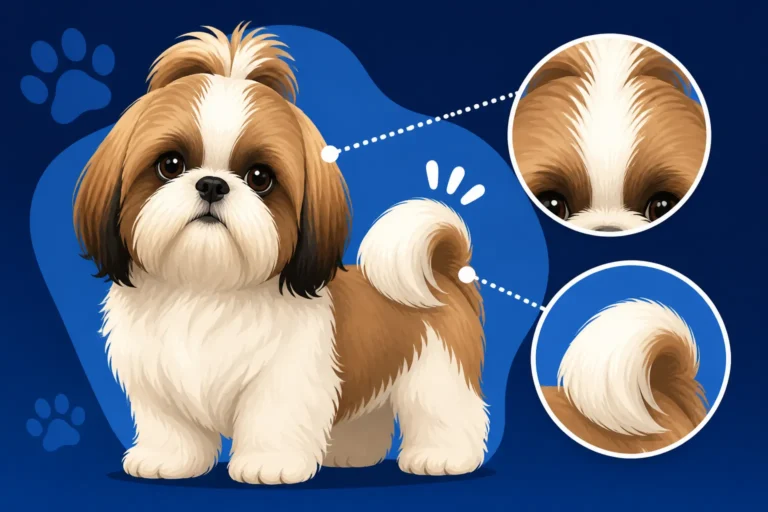
Imagine a Shih Tzu, and you'll likely picture that luxurious tail arcing gracefully over its back. This isn't by chance; the breed standard explicitly calls for a tail that is set high and carried well over the back, often curving up and forward. It creates a balanced silhouette, giving the dog a proud and confident stance, even when they're just ambling around the living room. This high carriage is a key element that distinguishes the Shih Tzu from some other small breeds.
This specific tail set is part of what gives the Shih Tzu its distinctive look, often compared to a "chrysanthemum" face because of the way its hair radiates. The tail acts as a visual exclamation mark, completing the picture of elegance and compact sturdiness. It needs to be substantial, well-plumed, and held proudly. Any deviation from this high-set, well-arched carriage is considered less desirable in the show ring, but more importantly, for us owners, it just means we're appreciating the beauty of our furry companions.
Understanding the "Plumed" Description
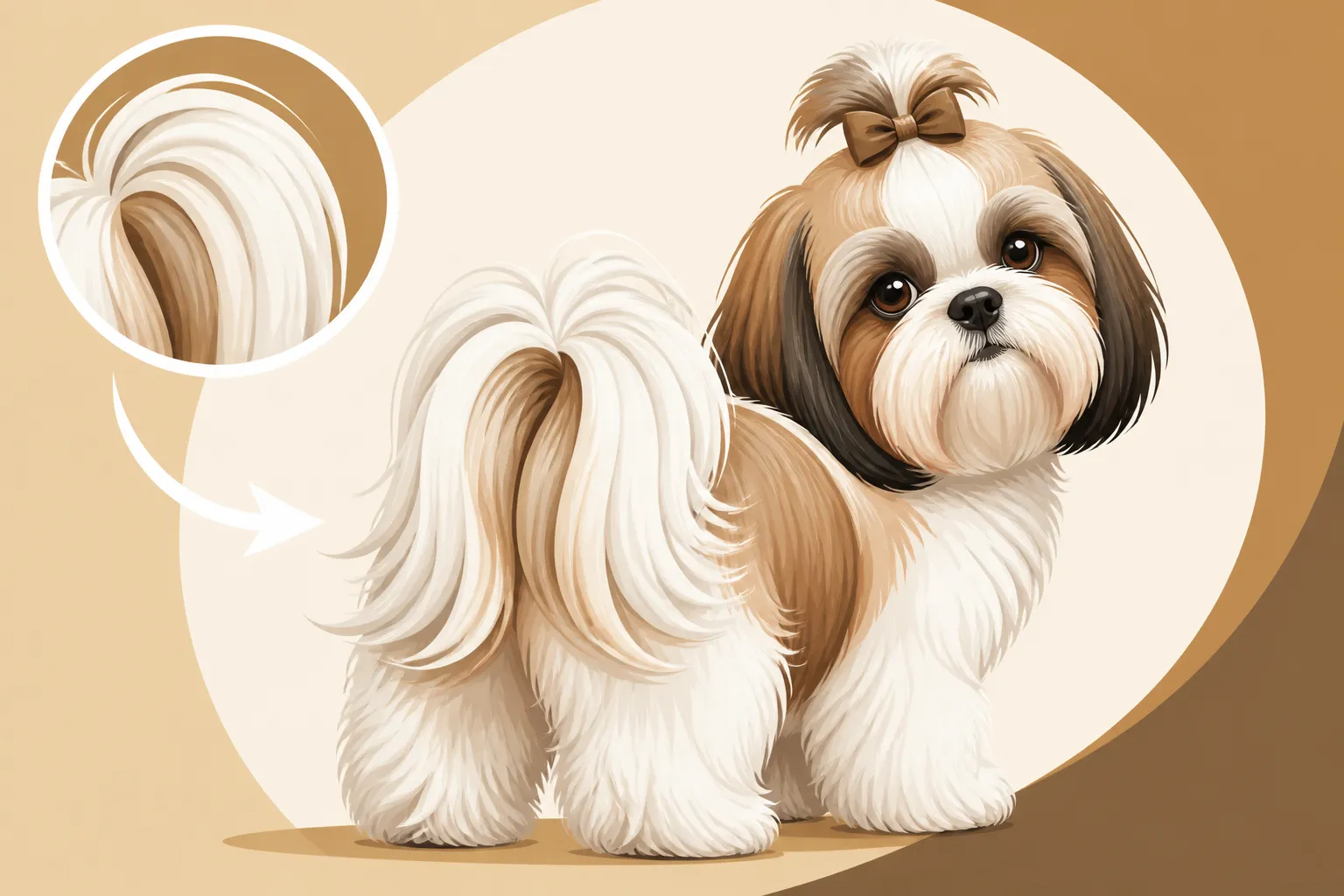
When the breed standard describes the tail as "plumed," it's not just a fancy word; it means the tail should be covered in an abundant, flowing coat of hair, much like a feather boa or a decorative plume. This isn't a short, sparse tail; it's meant to be gloriously fluffy and substantial. The hair on the tail should blend seamlessly with the body coat, creating a continuous flow of luxurious fur.
This plumed quality is precisely why the tail requires significant grooming attention. All that beautiful, flowing hair is prone to tangles and mats if not brushed regularly. Think of it as a miniature, furry peacock's tail, designed for show and elegance. It needs to be kept clean, brushed out, and free of debris to maintain its stunning appearance. For many owners, it's one of the most delightful parts of their dog's aesthetic, a true signature of the breed.
Historical Significance of the Tail Carriage
The unique tail carriage of the Shih Tzu isn't just about modern aesthetics; it has roots in the breed's long history as a companion to Tibetan monks and Chinese royalty. These dogs were bred for beauty, companionship, and a touch of imperial mystique. The proud, high-held tail contributed to their dignified and regal appearance, fitting for a dog that was considered sacred and even a symbol of good fortune.
In ancient times, these dogs were often depicted in art with their tails held aloft, symbolizing their importance and status. They weren't working dogs in the traditional sense; their "job" was to be cherished companions, and their appearance reflected that esteemed role. So, when you see your Shih Tzu trotting with that beautiful tail waving, you're seeing a direct link to centuries of intentional breeding for elegance and a touch of the divine. This historical context adds another layer of appreciation for The Shih Tzu From Tibetan Temples to American Homes.
Why the Plumed Tail is More Than Just Pretty
While the Shih Tzu's plumed tail is undeniably beautiful, its function extends beyond mere aesthetics. This seemingly simple appendage plays several crucial roles in your dog's life, from aiding physical balance to serving as a primary tool for communication. Recognizing these functions helps us understand our dogs better and ensures we consider their tail's well-being in all aspects of their care.
Balance and Movement
You might not think of a small dog like a Shih Tzu needing its tail for balance, but it's more important than you'd imagine, especially for a breed with their unique build. While not as critical as for a tightrope walker or a greyhound at full sprint, the tail still acts as a counterweight. When your Shih Tzu makes a sharp turn, jumps onto a low sofa, or navigates uneven terrain, that tail can subtly shift to help stabilize their compact body.
Consider the agility and sometimes clumsy exuberance of a Shih Tzu puppy, or the more deliberate movements of a senior dog. Their tail assists in these actions, even if it's not as dramatic as a larger, more athletic breed. It's a small, constant adjustment mechanism that helps them maintain equilibrium. So, next time you see your Shih Tzu making a quick pivot during play, remember that their beautiful plume isn't just for show – it's actively engaged in keeping them steady.
Communication and Expression
Perhaps the most fascinating and often overlooked role of the Shih Tzu's tail is its function as a communication tool. Dogs "talk" with their entire bodies, and the tail is a significant part of that vocabulary. For a Shih Tzu, whose face can sometimes be obscured by hair, the tail becomes an even more vital indicator of their mood, intentions, and reactions.
A wagging tail is universally recognized as a sign of happiness, but the nuances are far richer. A fast, high wag usually indicates excitement, while a slower, more deliberate wag might signal cautious curiosity or contentment. The height at which the tail is carried, the speed of the wag, and even the direction can all convey different messages to other dogs and to us. Learning to read these subtle cues can deepen your bond and understanding of your Shih Tzu's emotional state, helping you better respond to their needs. You can learn more about how they express themselves in The Outgoing Nature the Standard Demands.
Protection and Warmth
While not its primary function, the Shih Tzu's plumed tail can offer a small degree of protection and warmth. In colder weather, a Shih Tzu might tuck its tail tightly against its body or even over its nose (though less common with their high-set tail) to conserve body heat, similar to how a cat or fox might. The thick, double coat covering the tail provides an extra layer of insulation.
Furthermore, the tail can offer a minor physical barrier. It might help shield the delicate anal area from environmental elements or minor physical contact during play, though this is a less significant role. Essentially, the rich coat that makes the tail so beautiful also offers practical benefits, even if they are subtle. It’s a multi-purpose appendage that truly adds to the overall well-being and expressiveness of your cherished companion.
Caring for That Magnificent Tail
With all that glorious, flowing hair, a Shih Tzu's tail requires dedicated grooming to keep it healthy, tangle-free, and looking its best. Neglecting tail care can quickly lead to painful mats, skin issues, and discomfort for your dog. It's an integral part of their overall coat maintenance, and with a little routine, it can remain a point of pride.
Daily Brushing and Detangling
The number one rule for a plumed Shih Tzu tail is daily brushing. Because the tail hair is long and often in motion, it’s particularly prone to tangling and matting, especially where it meets the body. You’ll want to use a good quality pin brush, followed by a fine-toothed comb, to ensure you get through both the topcoat and the undercoat. Always be gentle, as tugging on knots can be painful for your dog and make them resistant to future grooming sessions.
When brushing, support the tail at its base with one hand and work through the hair in sections, starting from the tip and moving towards the base. If you encounter a tangle, don't pull! Instead, use a detangling spray and your fingers or the wide teeth of a comb to carefully work it out. Patience is key. Investing in a good detangling spray can save you a lot of headache, and you can find a wide variety of effective options on Chewy or at your local pet supply store. Regular, gentle brushing prevents small tangles from becoming large, painful mats that might require shaving. This is crucial for Brushing a Shih Tzu Double Coat Every Day.
Bathing and Drying the Tail Hair
When it's bath time, the tail needs just as much attention as the rest of your Shih Tzu's double coat. Use a gentle dog shampoo and conditioner, working it thoroughly through the tail hair, making sure to rinse completely. Residue can lead to skin irritation or attract dirt, causing new tangles. After rinsing, gently squeeze excess water from the tail.
Drying the tail properly is just as important as washing it. Because of the density of the hair, if the tail isn't dried completely, moisture can become trapped, creating a perfect environment for skin irritations. Use a low-heat hairdryer, brushing the hair as you dry to ensure all layers are aerated and completely dry. Again, support the tail at its base and work from tip to root. A thoroughly dried tail will be less prone to matting and will feel soft and luxurious. You can read more about this in Drying a Shih Tzu Right Through the Undercoat.
Addressing Matting and Tangles
Despite your best efforts, sometimes mats happen, especially in active dogs or if a few days of brushing are missed. Mats are not just unsightly; they can pull on the skin, causing discomfort, pain, and even skin infections. If you find a mat on your Shih Tzu's tail, resist the urge to cut it out with scissors, as it's incredibly easy to accidentally cut the skin beneath the mat, especially on a delicate area like the tail.
For smaller, loose tangles, apply a detangling spray generously and gently work the knot apart with your fingers or the teeth of a metal comb. For tougher mats, you might need a mat splitter or a dematting tool, used with extreme caution. If a mat is very tight and close to the skin, it’s always safest to consult a professional groomer. They have the right tools and expertise to safely remove mats without injuring your dog. Keeping up with regular grooming, and perhaps even scheduling professional grooms every Grooming a Shih Tzu Every Four to Six Weeks, can prevent these severe matting issues.
Common Tail-Related Issues and What to Do
Even with the best care, Shih Tzu tails can encounter a few common problems. Knowing what to look for and how to respond can prevent minor issues from escalating into more serious health concerns. Your Shih Tzu's tail isn't just for looking good; it's a window into their overall well-being.
Tail "Happy Tail" Injuries
While more common in larger breeds with vigorously wagging tails that hit hard surfaces, a Shih Tzu can still experience what's affectionately known as "happy tail." This occurs when the tail repeatedly strikes objects like furniture, walls, or even kennel bars, leading to repeated minor injuries, abrasions, or even open wounds at the tip or along the tail. Due to the Shih Tzu's dense tail hair, sometimes these injuries can go unnoticed until they become significant or infected.
If you notice any bleeding, scabbing, or your Shih Tzu seems sensitive when their tail is touched, inspect the tail carefully. Keep the area clean and dry. A veterinary visit might be necessary to ensure there's no infection and to determine if protective bandaging is needed. Preventing happy tail usually involves being mindful of their environment, especially if your dog is prone to enthusiastic tail wags in confined spaces.
Skin Irritations Under the Tail
Because of the thick hair and the proximity to the anal area, the skin under a Shih Tzu's tail can be prone to irritation, especially if not kept clean and dry. This can manifest as redness, itching, or even a yeasty odor, often exacerbated by moisture trapped by the dense coat. If your Shih Tzu is constantly licking or scooting, it might not just be anal gland issues; it could be skin irritation.
Regular sanitary trims are essential to keep the area clean and prevent fecal matter from clinging to the hair, which can lead to bacterial growth and skin problems. You can use gentle dog wipes or a damp cloth to clean the area after potty breaks, especially if your dog has a particularly long or dense tail plume. Always ensure the area is completely dry afterwards. If the irritation persists, a vet check is wise, as it could indicate allergies, a yeast infection, or other dermatological concerns that need specific treatment. These issues are often linked to Shih Tzu Ear and Skin Infections Under the Coat.
Anal Gland Issues and Tail Involvement
Anal gland problems are unfortunately common in many small breeds, including Shih Tzus. These glands, located on either side of the anus, can become impacted, infected, or abscessed, causing significant discomfort. One of the most common signs of anal gland trouble is scooting, but you might also notice your Shih Tzu licking excessively at the area under their tail, or exhibiting a sudden sensitivity when their tail or hindquarters are touched.
While the tail itself isn't directly involved in the anal gland issue, its position and the surrounding hair mean that owners need to be vigilant about cleanliness and observation of the entire rear end. If you suspect anal gland problems, a visit to the vet is necessary. They can express the glands, check for infection, and advise on dietary changes or supplements that might help prevent recurrence. Prompt attention to these issues can prevent more serious complications and ensure your Shih Tzu's comfort.
The Emotional Language of a Shih Tzu Tail
Beyond its physical structure and care needs, the Shih Tzu's plumed tail is a vibrant, expressive tool for communication. It's a key part of how your dog tells you (and other dogs) how they're feeling, even when no sounds are made. Learning to interpret these subtle movements can greatly enhance your understanding of your furry friend.
Reading Your Dog's Mood
The tail is like an emotional barometer for your Shih Tzu. A relaxed, gently curving tail held high over the back often indicates contentment and happiness. When your dog is excited to see you, the wag will typically be broad and sweeping, often accompanied by wiggles of the whole body. However, not all wags mean happiness. A stiff, rapid, high-set wag can sometimes signal alertness or even tension, especially if accompanied by a rigid body posture and focused gaze.
If your Shih Tzu's tail is tucked low between its legs, or clamped tightly against its body, it usually indicates fear, submission, or anxiety. A tail that's held low but not tucked might suggest apprehension or simply a neutral, calm state. By observing the height, speed, and overall demeanor of the tail in various situations, you can gather valuable insights into your Shih Tzu's emotional landscape.
Subtle Tail Movements You Might Miss
Sometimes, the communication isn't a dramatic wag, but something far more subtle. A slight twitch of the tail, a barely perceptible tremor, or a change in the tension of the tail muscles can all convey messages. For instance, a very slight, slow wag that stays relatively high might mean "I'm interested, but a little unsure." A single, decisive flick could be an acknowledgment or a brief moment of curiosity.
These subtle cues often happen in conjunction with other body language, such as ear position, eye contact, and overall body tension. Think about how a person might slightly shift their posture or clench their jaw – these are small, but meaningful, signals. The more you observe your Shih Tzu, the better you'll become at picking up on these tiny movements and integrating them into your understanding of their complex communication system. It's a wonderful way to connect more deeply with your pet.
Tail Position in Play and Alertness
During play, a Shih Tzu's tail can be a whirlwind of activity, typically held high and wagging enthusiastically. It bounces and swishes, reflecting their joy and engagement in the game. This high, loose, and active tail is a clear invitation to play for other dogs and a sign of pure fun for you. However, when your Shih Tzu is alerted to something new or potentially concerning—perhaps a strange noise outside, or a visitor at the door—their tail might become rigid, held very high and still, or with only a slight, stiff wag at the tip.
This "alert" tail position is often accompanied by ears perked forward and a focused, intense stare. It's their way of saying, "I'm assessing the situation." Understanding this difference between a playful wag and an alert, stiff tail helps you gauge their comfort level and react appropriately. Knowing the signals can help you determine if your Shih Tzu is feeling curious, excited, or potentially anxious in any given situation.
Here's a quick guide to some common Shih Tzu tail positions and their likely meanings:
| Tail Position | Speed/Movement | Likely Emotion/State |
|---|---|---|
| High & Loose over back | Broad, sweeping | Happy, excited, friendly, enthusiastic |
| High & Loose over back | Slow, gentle | Content, relaxed, pleased, observant |
| Mid-level, straight out | Slight wag | Curious, interested, neutral observation |
| High & Stiff | Slow, stiff wag | Alert, dominant, assessing threat, tense |
| Low, but not tucked | Slow, gentle | Apprehensive, cautious, unsure, relaxed (sometimes) |
| Tucked between legs | Still or trembling | Fearful, submissive, anxious, in pain |
| Rapid, low wag | Fast, stiff | Nervous, appeasing, sometimes worried but trying to be friendly |
This table provides a general overview, but always remember to consider your Shih Tzu's entire body language and the context of the situation for the most accurate interpretation. Your beautiful, plumed tail is truly a storyteller!
Disclaimer
This article is for general informational purposes only and does not constitute professional advice. Laws, prices and regulations vary by location and change over time. Consult a qualified professional for guidance on your specific situation.