Shih Tzus Compared With Other Small Companions
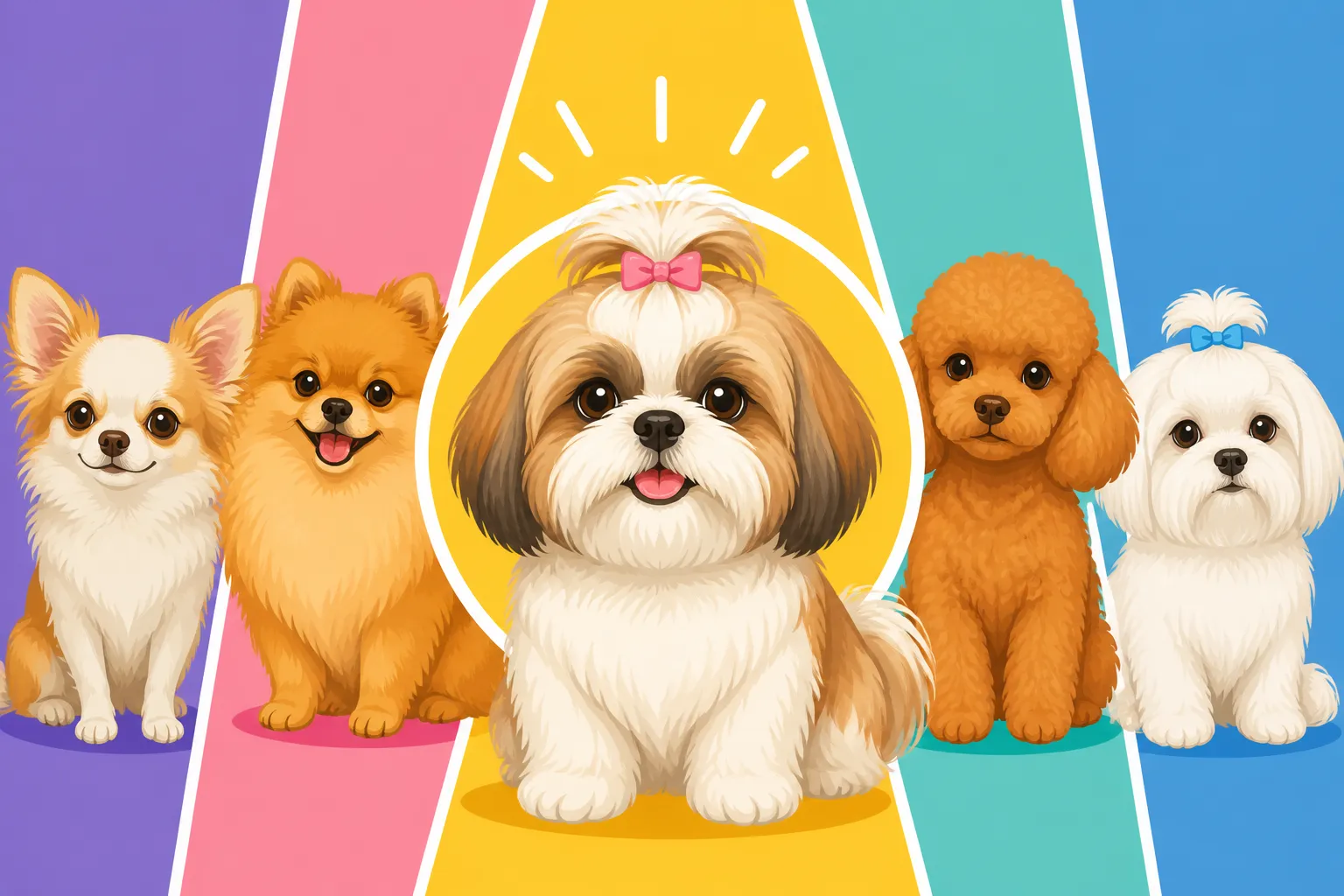
Choosing a small companion dog can feel like stepping into a delightful, yet utterly overwhelming, candy store of furry friends. So many adorable faces, each promising endless snuggles and joy, but also presenting distinct personalities, grooming needs, and potential health considerations. It’s easy to get lost in the sheer volume of choices, wondering if you're truly picking the right little soul to share your life with. This guide is here to help you cut through the confusion, offering a side-by-side look at the beloved Shih Tzu against other popular small companion breeds, so you can make an informed decision that truly fits your lifestyle.
Why Small Companion Breeds Appeal to So Many
There's a special magic to small companion dogs that makes them incredibly appealing to a vast range of people. Perhaps it's their manageable size, their propensity for lap-sitting, or their sheer cuteness, but these pint-sized pups have captured hearts for centuries. For many, the dream of a furry friend involves a dog that can easily fit into a smaller living space, accompany them on errands, or simply curl up by their side on the sofa without demanding miles of hiking every day.
The Allure of a Lap Dog Lifestyle
The phrase "lap dog" itself conjures images of cozy evenings, gentle purrs (or soft snores!), and an unwavering presence. For city dwellers, apartment residents, or those with less expansive outdoor space, a smaller dog is often a practical choice. They don't require sprawling backyards, can often get sufficient exercise with indoor play and short walks, and are generally easier to transport, whether it's a trip to the vet or a visit to Grandma's house. The intimate bond formed with a dog that can quite literally fit on your lap is a deeply comforting experience, offering companionship without the physical demands that larger breeds might impose.
Beyond the practicalities, many people simply adore the affectionate, cuddly nature that so many small companion breeds embody. They thrive on human interaction, often preferring to be a constant shadow, following their person from room to room. This close proximity fosters a profound sense of connection, making these dogs feel less like pets and more like integral family members. It's a relationship built on shared moments, quiet companionship, and the undeniable joy of having a warm, furry body nestled beside you.
Navigating the Sheer Volume of Toy Breed Options
However, once you decide on a small companion, the real challenge begins. The toy group is incredibly diverse, encompassing breeds with vastly different temperaments, coat types, energy levels, and health profiles. You might see a fluffy white dog and think, "That's exactly what I want!" only to discover it has an entirely different personality or grooming requirement than you expected. It's not uncommon for prospective owners to feel overwhelmed, toggling between various breed profiles, each sounding equally charming but offering subtle distinctions that are hard to grasp without deeper insight.
Many people fall into the trap of choosing based solely on appearance, only to find that the dog's needs don't align with their daily life. For instance, some small breeds are surprisingly high-energy, while others are content with short strolls. Some require daily, intensive grooming, and some are prone to specific health issues that demand ongoing care. Without a clear understanding of these nuances, the dream of a perfect companion can quickly turn into a stressful reality. This is precisely why a detailed comparison, going beyond just the fluffy exterior, is so crucial in making an informed and lasting choice.
The Shih Tzu at a Glance: What Makes Them Unique
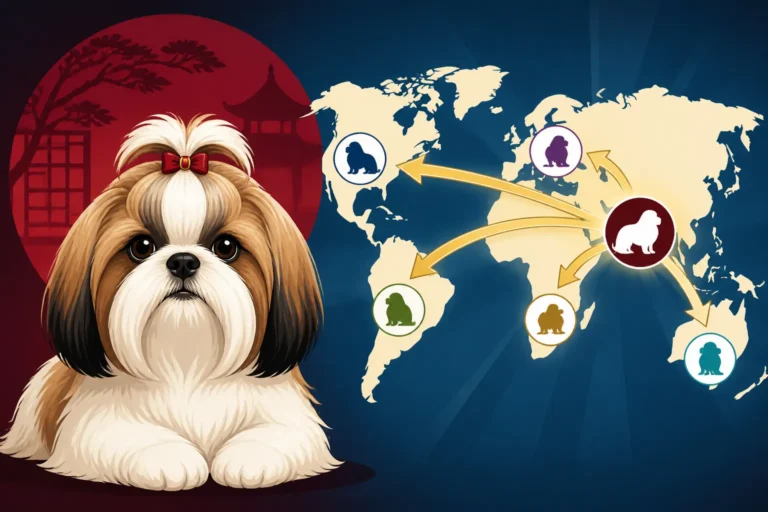
The Shih Tzu, often called the "Lion Dog" or "Chrysanthemum Dog," hails from ancient Tibet and China, where they were bred specifically as cherished companions for royalty. Their history as pampered palace dwellers has profoundly shaped their temperament and physical characteristics, making them a distinct and beloved breed in the small dog world. When you consider a Shih Tzu, you're looking at a dog whose very existence was designed around companionship and comfort.
A Personality Built for Companionship
If you're seeking an affectionate, outgoing, and undeniably charming companion, the Shih Tzu is often a perfect match. They were literally bred to sit on laps and be adored, and they excel at it. Unlike some working breeds that need a "job" to be truly happy, a Shih Tzu's job is simply to be your friend. They thrive on human interaction and form strong bonds with their families, often following their favorite person from room to room, just to be near. You'll find them generally friendly with strangers and quite adaptable to various household dynamics, often proving to be quite sociable little souls. Shih Tzu Temperament and the Companion It Was Bred to Be delves deeper into their delightful nature.
While they are affectionate, they also possess a charmingly independent and sometimes stubborn streak, a remnant perhaps of their royal ancestry where they dictated the terms! This isn't to say they are difficult, but rather that they have a mind of their own. They enjoy playtime, but are just as content to nap on a soft cushion or cuddle up for an evening of television. They typically do well with considerate children and can adapt to other pets, provided proper introductions are made. Their relatively low exercise needs make them ideal for apartment living or for individuals who prefer a more relaxed pace of life.
The Distinctive Shih Tzu Look
The Shih Tzu's appearance is arguably one of its most defining features. They are known for their long, flowing double coat, which, when kept long, creates a majestic, almost regal presence. This luxurious coat, combined with their short snout and large, expressive eyes that peek out from under a charming "chrysanthemum" face, gives them an instantly recognizable look. Their plumed tail arches gracefully over their back, adding to their distinctive silhouette.
However, this beautiful coat requires significant dedication to maintain. Brushing a Shih Tzu Double Coat Every Day is not an exaggeration – without daily care, their fine hair can quickly mat, leading to discomfort and potentially costly professional grooming. Many owners opt for a shorter "puppy cut" to make daily care more manageable, but even then, regular brushing and professional grooming appointments are essential. Their brachycephalic (flat) face also contributes to their unique charm, but it's important to understand the implications this can have on their breathing and heat regulation, as we'll discuss shortly.
Common Health Considerations Specific to the Shih Tzu
Like all purebred dogs, Shih Tzus are predisposed to certain health conditions that prospective owners should be aware of. Their most notable vulnerabilities stem from their brachycephalic structure and prominent eyes. Shih Tzu Eye Proptosis, the Emergency Owners Miss is a serious concern, as their shallow eye sockets can make their eyes susceptible to injury or even popping out. They can also suffer from corneal ulcers and dry eye due to their eye exposure and sometimes inadequate eyelid closure. Regular eye cleaning and vigilance are paramount.
Beyond eye issues, their flat faces mean they can be prone to Brachycephalic Breathing in a Shih Tzu, which manifests as snoring, snorting, and potential difficulty breathing, especially in hot weather or during strenuous exercise. Overheating is a significant risk for this breed. Dental problems are also common due to their crowded jaws; Shih Tzu Dental Disease at 13 Percent of the Breed highlights the importance of consistent dental care. Additionally, due to their long backs, they can be predisposed to Shih Tzu Back Problems and Disc Disease, so care must be taken to prevent jumping from high places. Understanding these potential challenges allows owners to provide proactive care and ensure their Shih Tzu lives a long, comfortable life.
Shih Tzu vs. Lhasa Apso: Untangling Ancient Roots
When comparing the Shih Tzu to other small companions, the Lhasa Apso is often the first breed that comes to mind, and for good reason. Both breeds share ancient Tibetan origins, having been revered as sacred companions for centuries. However, despite their shared ancestry and somewhat similar appearance, there are key distinctions in their temperament, grooming, and health that set them apart.
Historical Background and Temperament Differences
Historically, the Lhasa Apso served as a watch dog in the palaces and monasteries of Tibet. Their role was to alert monks and royalty to intruders, making them naturally more wary and protective. This heritage translates into a temperament that is often more independent, reserved with strangers, and sometimes a bit more assertive than the average Shih Tzu. While they bond deeply with their families, they may not be as immediately outgoing or as eager to please. A Lhasa Apso often requires more consistent, firm, and positive training from a young age to channel their intelligence and independence. They are confident and can be quite spirited, often preferring to observe a new situation before diving in.
The Shih Tzu, on the other hand, was bred purely for companionship and luxury within the Chinese imperial court. Their job was to be adored lap warmers, and their temperament reflects this. They are generally more gregarious, eager to greet visitors, and less prone to guarding behaviors. While they have a stubborn streak, it's often expressed as playful defiance rather than aloofness. They thrive on being the center of attention and generally adapt more readily to new people and environments. While both are affectionate with their families, the Shih Tzu tends to wear its heart on its sleeve more openly.
Grooming Needs and Physical Traits
Both the Shih Tzu and Lhasa Apso boast luxurious, long double coats, making daily grooming a necessity for owners who wish to keep them in full coat. However, there are subtle differences. The Lhasa Apso's coat is generally denser, coarser, and heavier, often described as a "curtain" of hair. It's designed to protect them from the harsh Tibetan climate. This means their coat might be slightly more prone to matting if neglected, and regular brushing, often with specific tools, is crucial. Their hair grows quite long on their face, often parted down the middle, making eye care just as important as for a Shih Tzu.
The Shih Tzu's coat, while equally abundant and long, tends to be finer and silkier in texture. It requires diligent daily brushing to prevent tangles and mats. Many Shih Tzu owners opt for a "puppy cut" to make upkeep more manageable, and even then, regular trimming around the face, eyes, and sanitary areas is vital. Both breeds require professional grooming every 4-8 weeks if kept in a longer style, which adds to the ongoing cost of ownership. Beyond the coat, the Lhasa Apso typically has a slightly longer muzzle than the extremely brachycephalic Shih Tzu, though both are considered flat-faced breeds. The Shih Tzu's eyes are often larger and more prominent.
Health Predispositions in Both Breeds
Due to their similar head structures, both Shih Tzus and Lhasa Apsos share some common health concerns related to their brachycephalic traits. Both breeds can be prone to respiratory issues like The Elongated Soft Palate in a Shih Tzu or stenotic nares, leading to snoring, snorting, and heat intolerance. Eye problems are also prevalent in both, including dry eye, corneal ulcers, and proptosis (though it may be slightly more common in the Shih Tzu due to their more prominent eyes). Diligent eye care, including regular cleaning and monitoring, is a must for both breeds.
However, there can be some differences in other genetic predispositions. Lhasa Apsos, for instance, are sometimes prone to certain kidney conditions, and like many small breeds, patellar luxation (slipping kneecaps) can occur in both. Both breeds also face significant dental challenges due to their small, crowded mouths, necessitating rigorous daily dental hygiene and regular veterinary dental cleanings. When considering either breed, researching breeders who perform health testing for these common conditions is crucial to ensure you bring home the healthiest puppy possible.
Shih Tzu vs. Maltese: The Elegant White Wonders
The Maltese is another dazzling small companion breed, often admired for its pure white coat and elegant appearance. While both the Shih Tzu and Maltese exude charm and are undeniably beautiful, they differ significantly in their energy levels, grooming requirements, and even their general demeanor. It’s a classic comparison between two beloved fluffy lap dogs.
Personality and Training Approaches
The Maltese is known for being a lively, playful, and surprisingly fearless little dog, often described as having a "big dog" personality in a small package. They are highly intelligent and can be quite eager to please, making them generally responsive to positive reinforcement training. However, their intelligence also means they can quickly learn bad habits if not guided consistently. They thrive on interaction and can be prone to separation anxiety if left alone for extended periods without proper conditioning, often needing to be the constant center of their human's world. They are typically quite affectionate and enjoy games and tricks, making them a fun companion for active families.
The Shih Tzu, by contrast, possesses a more laid-back, yet still affectionate, temperament. While they enjoy play, they are often content with shorter bursts of activity and more prone to napping or cuddling. Their training can be a bit more challenging due to their famed stubborn streak; they respond best to patience, positive reinforcement, and making training sessions fun and engaging. Why Shih Tzu House Training Runs Long is a common frustration for owners, which often comes down to this independent nature. Shih Tzus are generally more adaptable to varying energy levels within a household, happy to be active or quiet depending on the mood of the room.
Coat Care and Physical Distinctions
The most striking physical difference between the two breeds is their coat. The Maltese is famous for its single-layer, floor-length, silky white coat that requires immense dedication to keep pristine. Unlike the Shih Tzu, the Maltese lacks an undercoat, which means it sheds less, making it a potentially better choice for some allergy sufferers (though no dog is truly hypoallergenic). This single coat, however, is prone to tangles and knots, demanding daily brushing, regular bathing, and professional grooming to prevent matting and maintain its pristine appearance. Tear staining is also a very common issue with the Maltese's white fur, requiring diligent daily cleaning around the eyes.
The Shih Tzu, as we know, has a double coat that is thicker and coarser than the Maltese's single layer. This double coat provides warmth but also means significantly more shedding (though generally still considered low-shedding compared to many breeds) and a higher propensity for mats, especially in areas of friction or if not brushed daily. While many Maltese owners also opt for shorter clips, the long, flowing coat is a hallmark of the breed, often meticulously cared for. The Maltese is also typically smaller and more delicately built than the Shih Tzu, with a slightly longer muzzle and less prominent eyes.
Health Concerns and Lifespan Considerations
Both the Shih Tzu and Maltese are robust little dogs when well-cared for, but each has its own set of health considerations. Maltese, while generally healthy, can be predisposed to "white shaker dog syndrome," patellar luxation, and certain dental issues common to small breeds. Their single coat can also make them more sensitive to cold weather. Their eyes are not as prominent as the Shih Tzu's, making proptosis less of a concern, but tear staining and eye irritation are frequent issues.
Shih Tzus, with their brachycephalic faces, have a higher propensity for respiratory issues and overheating. They are also more susceptible to eye problems like proptosis, corneal ulcers, and dry eye. Both breeds require vigilant dental care due to their small, crowded mouths. In terms of average lifespan, both breeds typically enjoy a good long life, often into their early to mid-teens, sometimes longer. However, the quality of that life depends heavily on proactive health management and avoiding known genetic predispositions through responsible breeding practices.
Shih Tzu vs. Bichon Frise: Playful Puffs of Personality
The Bichon Frise is another small, fluffy white dog that often catches the eye of prospective owners considering a Shih Tzu. Both are undeniably adorable, known for their affectionate natures and charming personalities. However, the Bichon's boundless energy and distinct grooming needs present a different ownership experience compared to the more regal and sometimes stubborn Shih Tzu.
Energy Levels and Exercise Requirements
One of the most significant distinctions between the Shih Tzu and the Bichon Frise lies in their energy levels. The Bichon is often described as a lively, playful, and energetic companion who loves to be active. They possess a cheerful, outgoing disposition and require a good amount of daily exercise, including walks, playtime in a secure yard, and mental stimulation. They thrive on interaction and often enjoy learning tricks and participating in dog sports like agility, even at a recreational level. A bored Bichon can become destructive or prone to excessive barking, highlighting their need for engagement.
The Shih Tzu, while enjoying play, is generally much lower energy. They are content with a couple of short walks a day and plenty of indoor playtime or cuddle sessions. They aren't typically a breed that demands hours of rigorous activity. This makes them an excellent choice for individuals or families who prefer a more relaxed lifestyle, or for those with limited mobility. Their brachycephalic breathing can also limit their capacity for strenuous exercise, especially in warm weather, reinforcing their preference for a more sedentary existence.
Grooming Demands and Allergy Friendliness
Both breeds are known for their beautiful, fluffy coats, but their grooming requirements differ. The Bichon Frise has a distinctive double coat: a soft, dense undercoat and a coarser, curly outer coat. This combination gives them their signature "powder puff" look. Like the Maltese, the Bichon is often considered a good choice for allergy sufferers due to its minimal shedding. However, this non-shedding coat means that loose hairs get caught in the curls, which can quickly lead to matting if not brushed thoroughly every day. Professional grooming every 4-6 weeks is essential to maintain their coat and prevent painful mats.
The Shih Tzu's long, flowing double coat is often silkier in texture, but equally demanding. It sheds more than a Bichon's coat (though still considered low compared to many breeds), and its length and texture make it highly prone to tangles and mats if not brushed daily. Many Shih Tzu owners opt for shorter "puppy cuts" for easier maintenance, but consistent brushing and regular professional grooming are still crucial. When considering grooming, think about the time commitment: a Bichon's curls demand thorough, regular brushing, while a Shih Tzu's fine, flowing hair requires careful detangling and sectioning. You can find a vast array of grooming tools on retailers like Chewy to help manage either coat type.
Sociability with Families and Other Pets
Both breeds are typically excellent family companions, but their expression of sociability can vary. Bichons are generally very outgoing and cheerful, eager to make friends with everyone they meet, including children and other pets. They often have a playful, clownish nature that endears them to families. They tend to be quite adaptable and can thrive in various household settings, provided they receive sufficient attention and mental stimulation. Their happy-go-lucky attitude makes them wonderful additions to active, engaged homes.
Shih Tzus are also highly sociable and affectionate with their families, thriving on close human companionship. They are usually good with respectful children and can get along well with other pets. However, their independent streak can sometimes mean they are a bit less overtly enthusiastic with strangers compared to the universally friendly Bichon. While they enjoy company, they are also perfectly happy to snuggle quietly on a lap, content with simply being near their people. Their inherent sweetness and calm demeanor make them ideal for homes looking for a devoted, gentle companion.
Shih Tzu vs. Cavalier King Charles Spaniel: The Gentle Royalists
When you envision a gentle, affectionate lap dog, the Cavalier King Charles Spaniel often comes to mind. Both the Shih Tzu and the Cavalier share a history of being pampered companions for nobility, leading to similarities in their sweet temperaments. Yet, distinct differences in their physical structure, coat type, and genetic health concerns mean they offer unique experiences for prospective owners.
Temperament and Compatibility with Children
The Cavalier King Charles Spaniel is renowned for its incredibly gentle, sweet, and affectionate temperament. They are often described as eager to please, loving, and exceptionally good with children of all ages, as well as other pets. Cavaliers thrive on companionship and suffer from separation anxiety if left alone for too long. Their primary goal in life seems to be to love and be loved, making them excellent family dogs and therapy animals. They are generally quite placid and adaptable, fitting well into various household dynamics.
The Shih Tzu also embodies the spirit of a loyal companion, though with a touch more independence and sometimes a playful stubborn streak. They are very affectionate with their families and generally good with children, especially if raised with them and taught how to interact respectfully. Like Cavaliers, they thrive on human companionship and enjoy being close to their people. However, while a Cavalier might seek to please and adapt readily, a Shih Tzu might decide that cuddles are on their terms, or that a training cue is optional today. Both breeds are excellent choices for families seeking a devoted, indoor companion, but the Cavalier often comes with a slightly more docile and consistently compliant personality.
Physical Differences and Grooming Needs
Physically, there are noticeable differences. The Cavalier King Charles Spaniel has a softer, less dense, medium-length coat that is silky to the touch and comes in various color patterns. While beautiful, their coat is less demanding than a full-coat Shih Tzu, requiring regular brushing (a few times a week) to prevent tangles and occasional professional trimming around the feet and ears. They have feathering on their ears, legs, and tail, which needs attention. Cavaliers have a slightly longer muzzle compared to the Shih Tzu, with a less pronounced brachycephalic structure, and their eyes are less prominent, making them generally less prone to eye proptosis.
The Shih Tzu, with its full, flowing double coat, requires daily brushing to prevent mats, as discussed previously. Their extremely short, flat face and large, protruding eyes are characteristic. These features, while charming, contribute to their unique health considerations. Both breeds have floppy ears that require regular cleaning to prevent ear infections. The Shih Tzu's coat, when kept long, truly creates a "lion" like mane, whereas the Cavalier's coat, even at full length, is more elegant and flowing without the same voluminous density.
Major Health Concerns to Be Aware Of
Health is a crucial area where these two breeds diverge significantly, particularly in their primary predispositions. The Cavalier King Charles Spaniel is unfortunately known for a few serious genetic health issues. Mitral Valve Disease (MVD), a common heart condition, is highly prevalent in the breed, often appearing in middle age. Syringomyelia (SM), a neurological condition related to skull malformation, is also a serious concern. Additionally, patellar luxation, hip dysplasia, and certain eye conditions can occur. Responsible Cavalier breeders go to great lengths to screen for these conditions, including cardiac and neurological clearances.
The Shih Tzu's primary health concerns, as noted, are often related to their brachycephalic structure. Shih Tzu Corneal Ulcers and Dry Eye are common, as are respiratory difficulties due to their flat faces. The Elongated Soft Palate in a Shih Tzu or narrow nostrils can severely impact their breathing. Dental disease is also rampant in the breed. While both breeds can suffer from patellar luxation, the major concerns are different. When choosing between these two wonderful companions, it's vital to research reputable breeders who conduct extensive health testing specific to their breed's known predispositions. A good breeder will be transparent about potential issues and provide health certificates for the parent dogs.
Shih Tzu vs. Havanese: The Cuban Charmers
The Havanese, the national dog of Cuba, is another delightful small companion breed often compared to the Shih Tzu. Both are captivating, affectionate, and intelligent, making them wonderful family pets. However, the Havanese typically exhibits a higher energy level and a slightly different coat type, which influences their grooming needs and overall demeanor compared to the more laid-back Shih Tzu.
Activity Levels and Trainability
The Havanese is known for being a lively, curious, and outgoing dog with a good amount of energy. They love to play, explore, and are often described as having a joyful, "spring in their step." While they enjoy cuddling, they also require regular exercise through walks, active playtime, and mental stimulation to keep them happy and well-behaved. Their intelligence and eagerness to please make them highly trainable, excelling in activities like obedience, rally, and even agility. They thrive on having a "job" to do, even if that job is simply learning new tricks or solving puzzle toys.
The Shih Tzu, in contrast, tends to have a lower energy level. While they enjoy romping around, they are generally content with less strenuous activity, preferring short walks and plenty of indoor relaxation. Their training can be a delightful challenge due to their charmingly independent and sometimes stubborn nature. They respond best to positive reinforcement and patience, and once they understand what you want, they are often happy to oblige—as long as it suits them! If you're looking for a dog to join you on longer strolls or more active outings, the Havanese might be a better fit, whereas the Shih Tzu is the quintessential couch potato.
Coat Types and Grooming Routines
The Havanese boasts a long, soft, double coat that is surprisingly lightweight and silky. It’s often described as a "veil" of hair rather than a dense, thick mane. Like the Maltese and Bichon, the Havanese is considered a low-shedding breed, making them a popular choice for individuals with allergies, though regular vacuuming around the house might still be needed. However, this beautiful coat requires diligent daily brushing to prevent mats, as any loose hair will get caught in the growing coat. Professional grooming every 6-8 weeks is typically necessary for shaping and maintenance.
The Shih Tzu's double coat, while also long and flowing, is generally denser and often has a slightly coarser, yet still soft, texture compared to the Havanese. It is also considered low-shedding but highly prone to matting without daily brushing. Many Shih Tzu owners opt for a short "puppy cut" to simplify daily care. Both breeds have floppy ears that need regular cleaning and hair trimming to prevent infections. The key difference in grooming lies in the texture and density, with the Shih Tzu's coat often feeling more substantial and requiring a more thorough, section-by-section brushing technique. You'll want to stock up on quality brushes and combs, readily available on platforms like Chewy, no matter which fluffy friend you choose.
Social Nature and Adaptability
Both the Havanese and Shih Tzu are highly social and thrive on human companionship. Havanese are known for their outgoing, friendly, and affectionate nature. They tend to be very adaptable to different living situations and are generally excellent with children and other pets, often playing the role of a loving, attentive family member. They enjoy being involved in all family activities and can form strong bonds with everyone in the household.
The Shih Tzu is equally devoted to their family, often creating a deep, singular bond with their primary caregiver, though they are affectionate with everyone. They are generally good with respectful children and can coexist peacefully with other pets. While they enjoy being the center of attention, they are also comfortable settling down for quiet time. Their adaptability makes them suitable for apartments or larger homes, for active or more sedentary families, as long as they receive plenty of love and attention. Both breeds are true companion dogs through and through, designed to enrich the lives of their human families.
Making Your Choice: Beyond the Breed Standard
Choosing a dog isn't just about picking the prettiest face or the most popular breed. It's about finding a living, breathing companion whose needs and personality align with your own lifestyle and expectations. The breed standard offers a blueprint, but individual variations exist, and your readiness for the responsibilities of dog ownership is paramount.
Assessing Your Lifestyle and Living Situation
Before you bring any dog home, take a brutally honest look at your current lifestyle. Do you live in a bustling city apartment or a quiet suburban house with a yard? How much time do you realistically have for daily walks, playtime, and grooming? Are you prepared for the financial commitment of feeding, veterinary care, and professional grooming? A dog is a thirteen-year commitment, give or take, and it's essential to ensure you can provide a stable, loving environment for that entire duration.
For instance, if you work long hours away from home, a breed prone to separation anxiety, like some Maltese or Cavaliers, might not be the best fit unless you have arrangements for a dog walker or pet sitter. If you're a meticulous housekeeper, a long-haired breed that tracks in dirt or requires constant grooming might add stress rather than joy. If you're on a tighter budget, remember that Shih Tzu Grooming at $50 to $90 a Session is a recurring cost, as are preventative vet visits and quality food. Consider your energy levels – a high-energy Bichon will need more than a few minutes of play, while a Shih Tzu is content with less. Your ideal companion should complement your life, not complicate it unnecessarily.
The Importance of a Reputable Breeder or Rescue
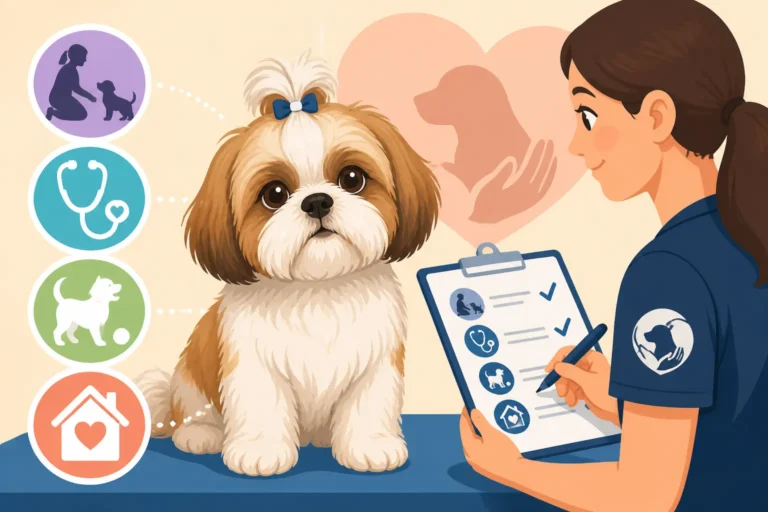
Once you've narrowed down your choices, the next critical step is to find your dog from a reputable source, whether that's a dedicated breeder or a breed-specific rescue organization. This is perhaps the most important decision you'll make when adding a new furry family member. A good breeder prioritizes health, temperament, and adherence to the breed standard. They will perform health testing on parent dogs for common genetic conditions, be transparent about their breeding practices, and typically have a waiting list. They'll also be a valuable resource for advice and support throughout your dog's life. Don't be swayed by low prices or immediate availability; these often signal irresponsible breeding practices that can lead to significant health and behavioral problems down the line, costing you far more in heartache and vet bills. Health Testing a Shih Tzu Breeder Should Do is a great resource to understand what to look for.
Adopting from a rescue is another wonderful option, especially if you're open to an adult dog. Rescue organizations often have a thorough understanding of their dogs' temperaments and needs, having fostered them in home environments. They can match you with a dog whose personality truly fits your family, and many rescues provide extensive veterinary care before adoption. Often, these dogs come with a history that the rescue can share, giving you insights into their behavior and any potential needs. Regardless of whether you choose a breeder or a rescue, be prepared to answer many questions and understand that their primary goal is to find the best possible home for their dogs.
Preparing for the Commitment of a Companion Dog
Bringing a small companion dog into your life is a profound commitment, one that involves time, money, patience, and boundless love. Beyond the initial excitement, prepare for the practical realities. This includes everything from Shih Tzu Puppy Prices and Where the Money Goes to purchasing essential supplies like appropriate food, beds, crates, and grooming tools. You’ll need to budget for regular veterinary check-ups, vaccinations, and parasite prevention.
Training will be an ongoing endeavor, particularly house training, which can be challenging for some small breeds, including Shih Tzus. Socialization is crucial to ensure your puppy grows into a well-adjusted adult, comfortable with new people, places, and experiences. Remember that a small dog is still a dog, with instincts and needs that must be met. They thrive on routine, clear boundaries, and consistent, positive reinforcement. The rewards of this commitment are immeasurable: the unconditional love, the endless joy, and the unique bond that only a cherished companion dog can provide. By carefully considering all aspects, you'll set yourself and your new best friend up for a lifetime of happiness together. The First Year Cost of a Shih Tzu might also be a useful read for future owners.
Here's a quick comparison of some popular small companion breeds:
| Feature | Shih Tzu | Lhasa Apso | Maltese | Bichon Frise | Cavalier King Charles Spaniel | Havanese |
|---|---|---|---|---|---|---|
| Temperament | Affectionate, outgoing, charming, stubborn | Independent, reserved, watchful, confident | Lively, playful, fearless, intelligent | Cheerful, outgoing, playful, active | Gentle, affectionate, eager to please | Lively, curious, intelligent, sociable |
| Energy Level | Low to Moderate | Moderate | Moderate to High | High | Moderate | Moderate to High |
| Grooming Needs | Daily brushing (double coat), professional grooming every 4-8 weeks | Daily brushing (dense double coat), professional grooming every 4-8 weeks | Daily brushing (single silky coat), professional grooming every 4-6 weeks | Daily brushing (curly double coat), professional grooming every 4-6 weeks | Regular brushing (medium silky coat), occasional trimming | Daily brushing (long silky double coat), professional grooming every 6-8 weeks |
| Shedding | Low | Low | Minimal | Minimal (often considered hypoallergenic) | Moderate | Minimal (often considered hypoallergenic) |
| Brachycephalic? | Yes (very) | Yes (moderate) | No | No | No (brachycephalic tendency, but less pronounced) | No |
| Common Health Concerns | Eye issues (proptosis, dry eye), respiratory, dental, back problems | Eye issues, kidney, patellar luxation, dental | Patellar luxation, white shaker syndrome, dental | Patellar luxation, dental, bladder stones | MVD, Syringomyelia, patellar luxation, hip dysplasia | Patellar luxation, eye conditions, chondrodysplasia |
| Ideal Living | Apartment-friendly, indoor companion | Apartment-friendly, indoor companion | Apartment-friendly, indoor companion | Apartment-friendly, indoor companion | Apartment-friendly, indoor companion | Apartment-friendly, indoor companion |
Disclaimer
This article is for general informational purposes only and does not constitute professional advice. Laws, prices and regulations vary by location and change over time. Consult a qualified professional for guidance on your specific situation.