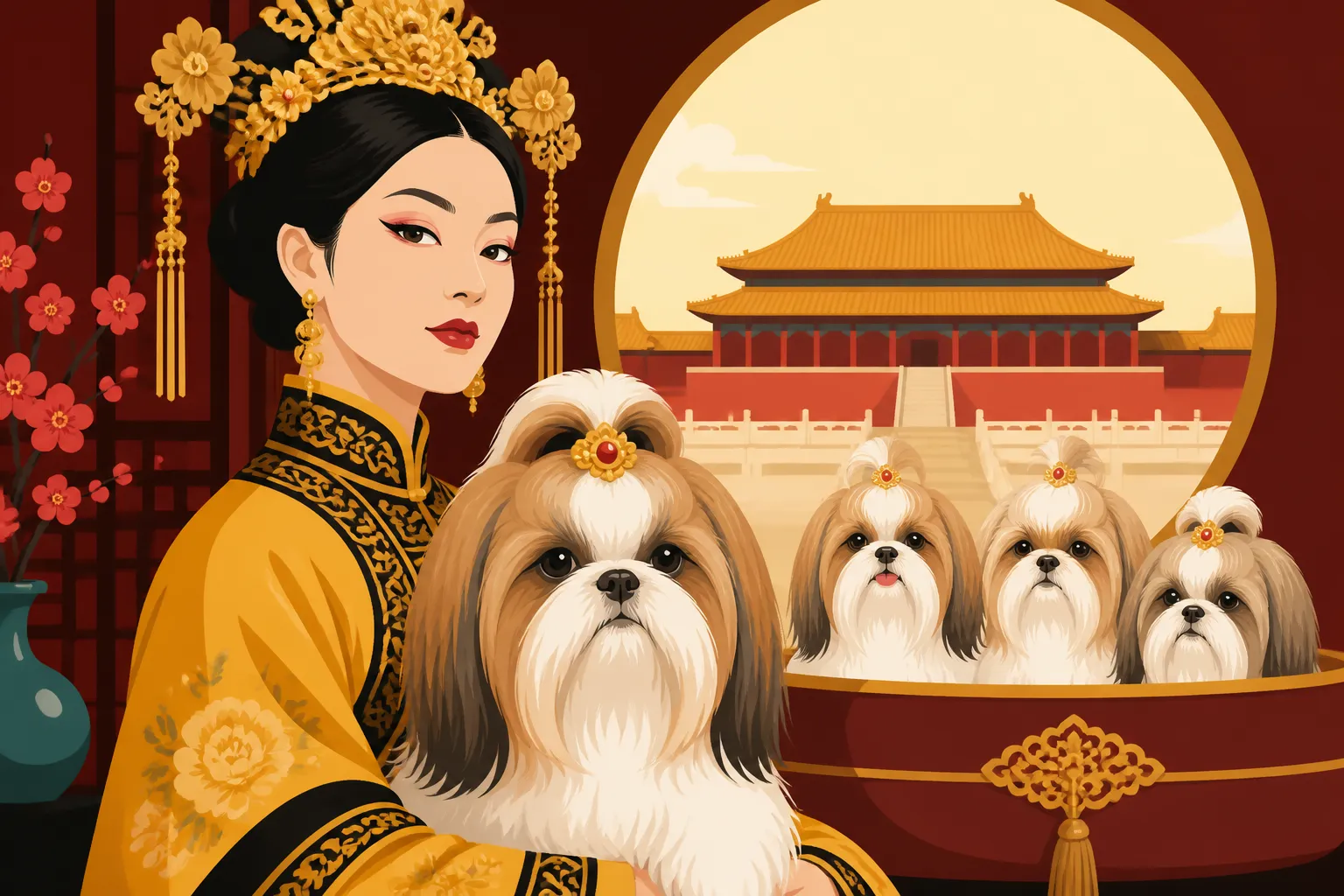
The Empress Who Bred Shih Tzus in the Forbidden City
Imagine a world where pampered pups lived a life of unimaginable luxury, waited on hand and foot by an army of servants, their every need catered to within the opulent walls of the Forbidden City. This isn't a fairy tale; it was the reality for the beloved Shih Tzus of the Chinese Imperial court, a legacy profoundly shaped by one formidable woman: Dowager Empress Cixi. This guide will delve into the fascinating history of how this powerful ruler cultivated and cherished the Shih Tzu breed, leaving an indelible mark on these captivating "lion dogs."
The Imperial Court and Its Canine Companions
Long before the modern Shih Tzu became a beloved fixture in homes around the world, small, highly prized dogs were an integral part of China's imperial courts. These weren't just pets; they were living treasures, symbols of status, and companions imbued with deep cultural and spiritual significance. The tradition of keeping such dogs stretches back centuries, laying the groundwork for the extraordinary role they would play under Empress Cixi.
The Ancient Roots of Palace Dogs
The history of small, companion dogs in China is rich and spans millennia. Ancient texts and artwork depict diminutive canines nestled in the laps of emperors and empresses, often bearing striking resemblances to the ancestors of today's toy breeds. These dogs were more than just decorative additions to the lavish imperial lifestyle; they were considered protectors, thought to ward off evil spirits, and bring good fortune to their owners. Their presence signified wealth, power, and an appreciation for the finer, more delicate aspects of life. While the exact lineage to the Shih Tzu may be debated, it’s clear that a culture of cherishing small, long-haired dogs was deeply entrenched in the imperial consciousness. This long-standing tradition of valuing tiny canines meant that when the specific "lion dog" type emerged, it was already stepping into a role of immense importance.
Shih Tzus as Valued Gifts
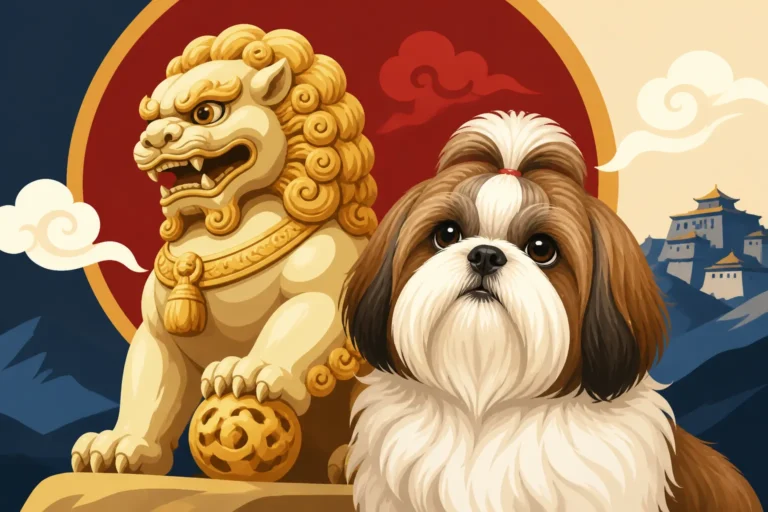
In imperial China, the exchange of gifts was a highly ritualized and politically significant act. Rare and exotic animals, particularly dogs, were considered among the most precious offerings. Shih Tzus, or their direct ancestors known as "lion dogs" or "chrysanthemum dogs," were frequently presented as tribute to the Chinese emperors by leaders from neighboring Tibet. These dogs, often described as possessing flowing manes and expressive faces, were revered for their resemblance to the Buddhist lion, a symbol of strength, protection, and wisdom. Receiving such a dog was not merely accepting a pet; it was an affirmation of power, a diplomatic gesture, and an embodiment of spiritual significance. The dogs became part of the imperial household, guarded closely and bred selectively within the palace walls, ensuring their purity and exclusivity. They were literally seen as living tributes, cementing their status at the very pinnacle of canine hierarchy within the Forbidden City. These gifts helped foster the unique characteristics that define the breed even today, a lineage that connects your own furry friend to ancient imperial splendor. You can learn more about this ancient lineage in The Shih Tzu From Tibetan Temples to American Homes.
Dowager Empress Cixi's Ascent to Power
To truly understand the Shih Tzu's imperial story, we must first understand the formidable woman at its heart: Dowager Empress Cixi. Her reign, spanning over four decades in the late 19th and early 20th centuries, was a period of immense change and challenge for China. Amidst political turmoil and foreign pressures, Cixi maintained a fierce grip on power, and alongside her political acumen, she harbored a profound affection for dogs, particularly the Shih Tzu.
The Political Landscape of Late Qing Dynasty
Cixi rose from humble beginnings to become one of the most powerful women in Chinese history. Entering the Forbidden City as a concubine to Emperor Xianfeng, she skillfully navigated the treacherous currents of imperial politics. After her husband's death, she became co-regent for her young son, Emperor Tongzhi, and later for her nephew, Emperor Guangxu, effectively ruling China for many years. Her reign coincided with a period of intense internal unrest and increasing external pressures from Western powers and Japan, leading to wars, treaties, and the gradual weakening of the Qing Dynasty. Despite the monumental challenges of governing a vast and complex empire, Cixi was known for her unyielding will, her intelligence, and her lavish lifestyle, which included a deep appreciation for art, gardens, and, of course, her beloved dogs. Her political life was a whirlwind of diplomacy and intrigue, but within the secure confines of her private quarters, her passion for her canine companions flourished.
Cixi's Personal Life and Affinities
Beyond the political machinations, Cixi was a woman of refined tastes and strong personal affections. She delighted in elaborate ceremonies, exquisite gardens, and the beauty of nature. Her private apartments in the Forbidden City and Summer Palace were sanctuaries filled with treasures, artwork, and a menagerie of pets. Among these, her dogs held a special place. She was known to treat them with an almost religious devotion, believing them to be reincarnations of holy men or lucky charms. Her affinity for the Shih Tzu wasn't merely a passing fancy; it was a deep, personal connection that shaped her daily life and became a prominent aspect of her public image. She often had her dogs by her side, even during official functions, demonstrating their exalted status within her court. This personal connection transformed the "lion dog" from a mere palace pet into a symbol of imperial favor and an extension of her own formidable personality.
Establishing the Imperial Dog Kennels
Cixi's love for Shih Tzus wasn't just about having a few dogs around; she established a highly organized and elaborate system for their care and breeding within the Forbidden City. These imperial kennels were a testament to her devotion, reflecting the meticulous attention to detail and lavish indulgence that characterized her entire court.
The Eunuchs as Canine Caretakers
Within the Forbidden City, eunuchs played a crucial and multifaceted role, serving the imperial family in almost every capacity. For Cixi's beloved Shih Tzus, certain eunuchs were specifically designated as "dog keepers," their sole responsibility being the welfare and comfort of these royal canines. This was no ordinary job; it was a prestigious position that demanded utmost dedication and adherence to strict protocols. These eunuchs were meticulously trained, learning the specific needs of the Shih Tzus, from their intricate grooming routines to their dietary preferences. They were responsible for maintaining the dogs' health, managing their breeding, and ensuring their constant companionship. It was said that a lapse in care for one of Cixi's dogs could lead to severe punishment, underscoring the gravity of their task. The eunuchs' lives revolved around these dogs, performing duties that ranged from hand-feeding choice morsels to bathing and brushing their magnificent coats for hours on end. It speaks volumes about the dogs' status that an entire dedicated retinue was assigned to them. Discover more about the specific roles of these caretakers in What Eunuchs Did in the Imperial Dog Kennels.
Daily Life and Indulgence for Imperial Shih Tzus
The daily life of a Shih Tzu in Cixi's court was nothing short of extraordinary. These dogs lived a life of unparalleled indulgence, far removed from the struggles of the common people. They resided in ornate kennels, often constructed with precious materials, and slept on silk cushions. Their diets consisted of the finest meats, broths, and grains, often prepared with as much care as the Empress's own meals. It was not uncommon for the dogs to be served by hand, ensuring they received every bite with grace.
Grooming was an elaborate daily ritual, requiring multiple eunuchs to brush and comb their long, flowing coats to perfection, adorned with precious jewels and ribbons for special occasions. Imagine the intricate process of maintaining that double coat! Today, even with modern tools readily available on sites like Chewy, keeping a Shih Tzu's coat pristine is a commitment, but for Cixi's dogs, it was an art form. They were taken for leisurely strolls through the imperial gardens, often carried on silk palanquins to protect their delicate paws and pristine coats from dirt. The Empress herself would frequently spend hours interacting with her dogs, enjoying their playful antics and quiet companionship. These dogs were never left wanting; their every whim was anticipated and fulfilled, making them perhaps the most pampered animals in human history. They were even known to have their own bodyguards, protecting them from any perceived threat.
Cixi's Vision for the Shih Tzu Breed
Dowager Empress Cixi wasn't merely an owner of Shih Tzus; she was a true patron and architect of the breed. She had a clear vision for what her "lion dogs" should embody, and she directed her eunuchs to breed specifically to achieve these desired characteristics, profoundly shaping the Shih Tzu we know today.
Desired Traits and Breed Characteristics
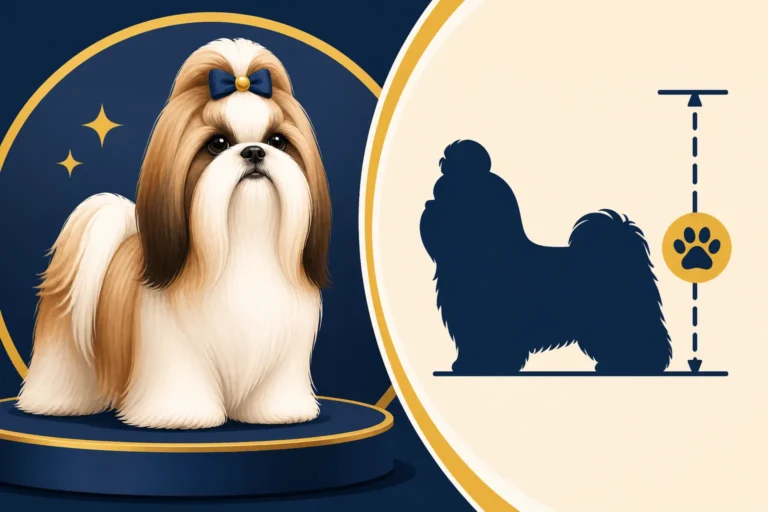
Cixi's discerning eye sought very specific traits in her Shih Tzus. She favored dogs with thick, luxurious double coats, believing them to be more beautiful and symbolic of the breed's imperial status. The "chrysanthemum face," with hair growing outwards from the center, was highly prized, giving the dogs their distinctive, flower-like appearance. She also admired their large, dark, expressive eyes and the proud, plumed tail carried high over the back. Temperament was equally important; she wanted dogs that were loyal, affectionate, and playful, yet carried themselves with an air of dignity befitting a palace dog. Any dog exhibiting signs of aggression or excessive timidity would likely not have been kept in her breeding program. She understood that these dogs were companions first and foremost, intended to bring joy and comfort to the imperial household. Her preferences for these physical and temperamental qualities became the unofficial "standard" of the imperial Shih Tzu.
Line Breeding and Selective Practices
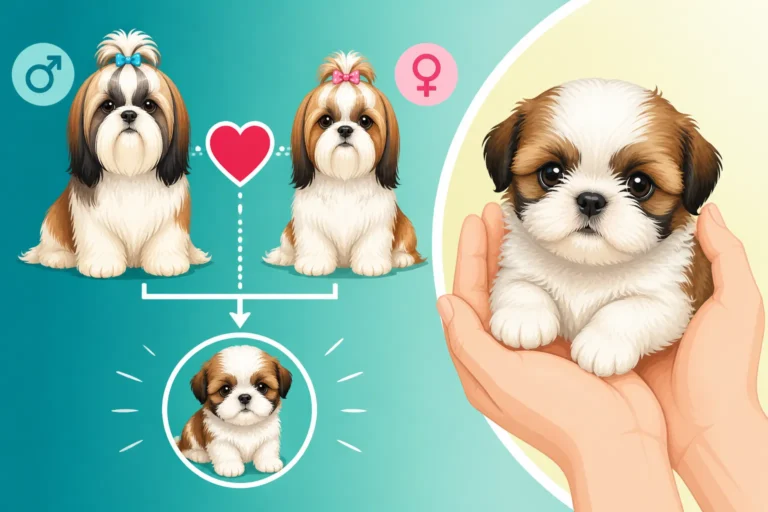
To achieve her vision, Cixi's kennels engaged in what we would recognize today as a sophisticated program of line breeding and selective pairing. While the scientific understanding of genetics was not yet formalized, the eunuchs, under her strict guidance, certainly observed which pairings produced the most desirable offspring. They carefully selected males and females that embodied the ideal traits, hoping to intensify those characteristics in successive generations. This meticulous approach meant that only the best examples of the breed were allowed to reproduce, creating a closed gene pool that solidified the distinct Shih Tzu type. The goal was consistency: to produce dogs that were instantly recognizable as imperial Shih Tzus, distinct from other small dogs. This kind of careful breeding, focused on specific aesthetics and temperament, is a practice that skilled breeders still employ today, albeit with the benefit of modern genetic testing. This historical dedication to selective breeding is why many Shih Tzus today share such striking similarities to their ancient imperial ancestors, embodying The Shih Tzu Standard and What Judges Look For.
The Sacred and Symbolic Role of Shih Tzus
Beyond their role as pampered pets, Cixi's Shih Tzus held a deeper significance within the imperial court. They were seen as more than just animals; they were woven into the spiritual and cultural fabric of the empire, connecting the physical world with the mystical.
Connections to Tibetan Buddhism and Lion Dogs
The historical ties between the Shih Tzu and Tibetan Buddhism are profound. The breed's ancestors, the "lion dogs" of Tibet, were revered in monasteries for their resemblance to the mythical snow lion, a sacred symbol of Tibet and Buddhism. These dogs were believed to embody wisdom, courage, and spiritual protection. When these dogs were brought as tribute to the Chinese imperial court, they carried this sacred symbolism with them. Cixi, a devout Buddhist herself, undoubtedly understood and embraced this connection. She saw her Shih Tzus not just as beautiful creatures but as living talismans, bringing good fortune and spiritual blessings to her and her court. Their presence was a constant reminder of the spiritual realm and the protective forces believed to surround the emperor and his family. This spiritual connection elevated the Shih Tzu far beyond the status of a mere companion animal.
Shih Tzus as Protectors and Companions
In the isolated and often dangerous world of the Forbidden City, the Shih Tzus served a dual purpose: they were both cherished companions and symbolic protectors. While their small size certainly didn't make them physical guards against intruders, their perceived spiritual power was considered potent. It was believed they could ward off evil spirits and negative influences, creating a protective aura around the Empress. More tangibly, they offered unwavering companionship in a life often characterized by isolation and rigid protocol. For Cixi, these dogs provided unconditional affection, a soothing presence amidst the constant pressures of governance. They were attentive listeners who never judged, offering quiet solace and playful distraction. This blend of spiritual symbolism and genuine companionship made them indispensable members of the imperial household, deeply intertwined with the Empress's personal and political well-being. This unique role forged the gentle, loyal Shih Tzu Temperament and the Companion It Was Bred to Be we still adore.
The Legacy of Cixi's Breeding Program
The death of Dowager Empress Cixi in 1908 marked the beginning of the end for the elaborate imperial kennels. The political turmoil that followed her passing and the eventual collapse of the Qing Dynasty led to the dispersal of her prized dogs, setting them on a new path that would eventually lead them to Western recognition and global popularity.
Dispersal of the Imperial Dogs
With Cixi gone and the imperial system crumbling, the meticulous care and protection afforded to the Shih Tzus within the Forbidden City vanished. Many of the dogs were reportedly either sold, stolen, or simply allowed to wander out of the palace as chaos ensued. This sudden dispersal meant that the direct, carefully line-bred imperial stock was scattered, making it incredibly difficult to trace exact lineages. Some were taken by former palace officials or sympathetic individuals, while others found their way into the hands of foreign dignitaries and travelers who had long admired these exquisite "lion dogs." This period was critical for the breed's survival; without the structured environment of the imperial kennels, their future was uncertain. However, it was also this dispersal that ultimately saved the Shih Tzu from potential extinction within China itself, allowing them to travel far beyond the palace walls. The details of their escape and journey are fascinating, as documented in Shih Tzus Smuggled Out of China.
Shih Tzus Finding Their Way to the West
It was largely through the efforts of foreign visitors, diplomats, and military personnel that the Shih Tzu breed made its way to the Western world. Travelers to China in the early 20th century were captivated by these charming dogs and managed to acquire some of the imperial stock during the turbulent period following Cixi's death. These individuals brought the dogs back to their home countries, primarily England and Norway, where they began small, dedicated breeding programs. One notable figure was Lady Brownrigg, who received a pair of Shih Tzus from China in the 1930s and was instrumental in establishing the breed in England. These foundational dogs, often numbering fewer than two dozen initially, became the ancestors of virtually all Shih Tzus outside of China. It's a truly remarkable story of how a handful of dogs, rescued from political upheaval, were carefully nurtured and bred to ensure the continuation of their imperial lineage. This small but resilient group eventually led to the global presence of the Shih Tzu today.
Here's a look at some key moments in the Shih Tzu's journey from imperial pet to global companion:
| Era | Key Characteristics of Imperial Shih Tzus | Life in the Forbidden City | Fate After Cixi's Reign | Modern Connection |
|---|---|---|---|---|
| Ancient China | Small, lion-like dogs; long coats; esteemed as symbols and gifts | Cherished by emperors; lived luxurious lives; spiritual significance | Precursors to Cixi's specific breeding | Basis for the Shih Tzu's cultural reverence |
| Cixi's Reign | Chrysanthemum face; thick double coat; affectionate, dignified temperament | Lavish care by eunuchs; finest diets; constant companionship; breeding program | Dispersed, some acquired by Westerners, breed's survival threatened | Direct lineage to modern Shih Tzus; foundation of breed standard |
| Early 20th Century (West) | Few foundational dogs; focus on preserving unique imperial traits | Established in England/Norway; careful breeding efforts | Small numbers, but crucial for breed's continuation | Ancestors of virtually all modern Western Shih Tzus |
| Mid-20th Century (West) | Growing popularity; development of breed clubs and standards | Increasing recognition; careful expansion of gene pool | Formalized breed standards; AKC recognition in 1969 | Widely recognized breed; consistent characteristics due to early efforts |
| Today | Consistent breed standard; beloved companion; diverse colors; various health considerations | Part of families worldwide; focus on responsible breeding & health | Continued global popularity; adaptation to modern lifestyles | Breed remains true to its imperial roots, loved by millions globally |
The Enduring Impact on the Modern Shih Tzu
The story of Dowager Empress Cixi and her imperial kennels isn't just a fascinating historical anecdote; it's a foundational chapter that continues to influence every Shih Tzu we encounter today. Her preferences and breeding directives laid the groundwork for the breed's appearance, temperament, and even some of its specific health considerations.
Imperial Traits Visible in Today's Dogs
Walk into any dog park or look at a picture of a modern Shih Tzu, and you'll immediately see the echoes of Cixi's imperial preferences. The luxurious double coat, though often kept in a shorter "puppy cut" for practicality, is a direct inheritance from her desire for magnificent flowing hair. That iconic "chrysanthemum face," with its sweet expression and hair radiating outwards, was a prized feature in her court. Even the proud carriage of their plumed tail over their back reflects the breed standard she implicitly set. These physical traits were not accidental; they were carefully cultivated over generations within the Forbidden City. Beyond appearance, the Shih Tzu's renowned affectionate, outgoing, and gentle temperament can also be traced back to its imperial origins as a companion breed. These dogs were bred to sit on laps and bring joy, not to work or hunt, and that core disposition remains. It’s truly incredible to think that your furry friend is a living testament to a powerful Empress's vision, carrying centuries of history in their genes. For more about their physical traits, check out The Shih Tzu Standard and What Judges Look For.
Appreciating the History of Your Shih Tzu
Understanding the imperial history of the Shih Tzu enriches the experience of owning one of these wonderful dogs. When you gently brush your Shih Tzu's coat, you're engaging in a ritual that dates back to eunuchs meticulously grooming Cixi's prized dogs. When your Shih Tzu gazes up at you with those deep, expressive eyes, you're seeing the same look that captivated an Empress centuries ago. This awareness fosters a deeper appreciation for the breed's unique heritage and the immense care and devotion that went into its creation. It's a reminder that these aren't just ordinary pets; they are living links to a rich and exotic past, carrying the legacy of Tibetan monasteries and Chinese imperial courts. This knowledge also highlights the importance of responsible ownership today – from consistent Brushing a Shih Tzu Double Coat Every Day to understanding their brachycephalic needs, we are continuing a tradition of care that began in luxury. Whether you're purchasing grooming supplies from a trusted retailer like Chewy or simply enjoying a quiet evening with your companion, remembering their royal lineage adds an extra layer of magic to the everyday joys of Shih Tzu ownership.
Disclaimer
This article is for general informational purposes only and does not constitute professional advice. Laws, prices and regulations vary by location and change over time. Consult a qualified professional for guidance on your specific situation.