Whether Fresh Food Suits a Shih Tzu Underbite
It's a common sight for us Shih Tzu parents: that adorable, slightly pushed-in face with the lower jaw just a little forward, giving our furry friends their characteristic underbite. While it's part of their undeniable charm, this unique dental structure can sometimes make mealtime a bit of a challenge, leaving many of us wondering if popular feeding trends like fresh food are truly suitable. This guide will delve into the nuances of feeding a Shih Tzu with an underbite, exploring if and how a fresh food diet can work for your beloved companion.
Understanding the Shih Tzu Underbite and Its Impact on Eating
The Shih Tzu's brachycephalic (flat-faced) head shape naturally leads to what's called a mandibular prognathism, more commonly known as an underbite. Essentially, their lower jaw extends slightly beyond their upper jaw. While cute, this isn't just a cosmetic feature; it can significantly influence how they eat, chew, and even how their dental health fares over time.
The Mechanics of an Underbite at Mealtime
Imagine trying to pick up tiny pieces of food with an overbite, then flip that. For a Shih Tzu with an underbite, their upper teeth don't quite meet their lower teeth in the typical scissor-like fashion. This makes it harder to grasp small kibble or slippery bits of food. They often use their tongues more like a scoop, or they might try to mash food against the roof of their mouth or the side of their teeth. It’s not uncommon to see a Shih Tzu pushing food around their bowl with their nose, or even batting at it with a paw in an attempt to get a good grip. This less efficient eating style means meal times can be messier, and sometimes, they might even miss out on some food if it's too small or scattered. It’s certainly a frustration many of us face, watching them struggle with what should be a simple task.
Dental Health Considerations with an Underbite
Beyond the immediate eating difficulties, the Shih Tzu underbite contributes to a range of dental health concerns. Their small mouths are already crowded, often struggling to fit all 42 adult teeth. When you add an underbite to the mix, teeth can become misaligned, rotate, or even rub against soft tissues in the mouth, leading to increased plaque and tartar buildup. This crowding creates tiny crevices and overlaps where food particles and bacteria can easily get trapped, making them prime candidates for Shih Tzu Dental Disease at 13 Percent of the Breed. Without diligent care, this can rapidly progress to periodontal disease, a painful condition that affects the gums and bone supporting the teeth. Owners often notice bad breath, red or bleeding gums, or even reluctance to eat hard foods as signs that something is amiss.
The Appeal and Challenges of Fresh Food Diets
"Fresh food" for dogs is a broad term, typically referring to diets made with human-grade ingredients, either raw or gently cooked, with minimal processing and no artificial preservatives, colors, or flavors. These diets can be homemade, or delivered through subscription services. The idea is to provide a diet that's closer to what a dog's wild ancestors might have eaten, or at least a diet perceived as healthier and more natural than traditional kibble.
Why Owners Are Turning to Fresh Food for Shih Tzus
For many Shih Tzu owners, the allure of fresh food is strong. We want the best for our little companions, and a diet packed with whole, recognizable ingredients sounds undeniably good. Often, dogs on fresh food diets experience shinier coats, improved digestion, more energy, and sometimes even a reduction in allergy symptoms. For a Shih Tzu, whose delicate systems can sometimes be prone to sensitivities, a fresh food diet can feel like a gentler, more digestible option. The high moisture content in fresh food is also a big plus, as it helps with hydration, which is crucial for overall health and can even benefit kidney function. Plus, let's be honest, watching our Shih Tzu enthusiastically devour a meal that looks like something we'd eat ourselves is incredibly satisfying. Feeding a Shih Tzu at Nine to Sixteen Pounds is all about finding the right balance, and fresh food often feels like a premium choice in that pursuit.
Navigating the Hurdles: Cost, Convenience, and Balance
However, the path to fresh feeding isn't without its bumps. One of the first things you'll notice is the cost. Fresh food diets, whether prepared at home or through a service like Ollie, tend to be significantly more expensive than even premium kibble. This is due to the quality of ingredients and often, the labor involved in preparing and packaging. Then there's the convenience factor. Homemade fresh food requires time for sourcing ingredients, cooking, portioning, and storing. While subscription services cut down on the prep work, they still require freezer space and regular delivery management.
Perhaps the most critical hurdle, though, is ensuring nutritional completeness and balance, especially if you're preparing meals at home. Dogs, including Shih Tzus, have specific dietary requirements that differ from humans. A homemade diet lacking proper ratios of vitamins, minerals, proteins, fats, and carbohydrates can lead to long-term health issues. It's not enough to just give them cooked chicken and rice; a balanced recipe, often formulated with the help of a veterinary nutritionist, is essential. This is where commercial fresh food brands often shine, as they invest heavily in developing recipes that meet AAFCO (Association of American Feed Control Officials) nutritional guidelines.
Adapting Fresh Food for a Shih Tzu's Unique Mouth Structure
The good news is that fresh food can absolutely suit a Shih Tzu with an underbite, but it often requires a bit of thoughtful adaptation. The key is to address the specific challenges their mouth structure presents: picking up food, chewing effectively, and keeping things clean.
Texture and Size: Making Food Manageable
For a Shih Tzu with an underbite, the texture and size of their food are paramount. Small, hard kibble can be a nightmare for them to pick up and crush. Fresh food, by its nature, often offers more flexibility.
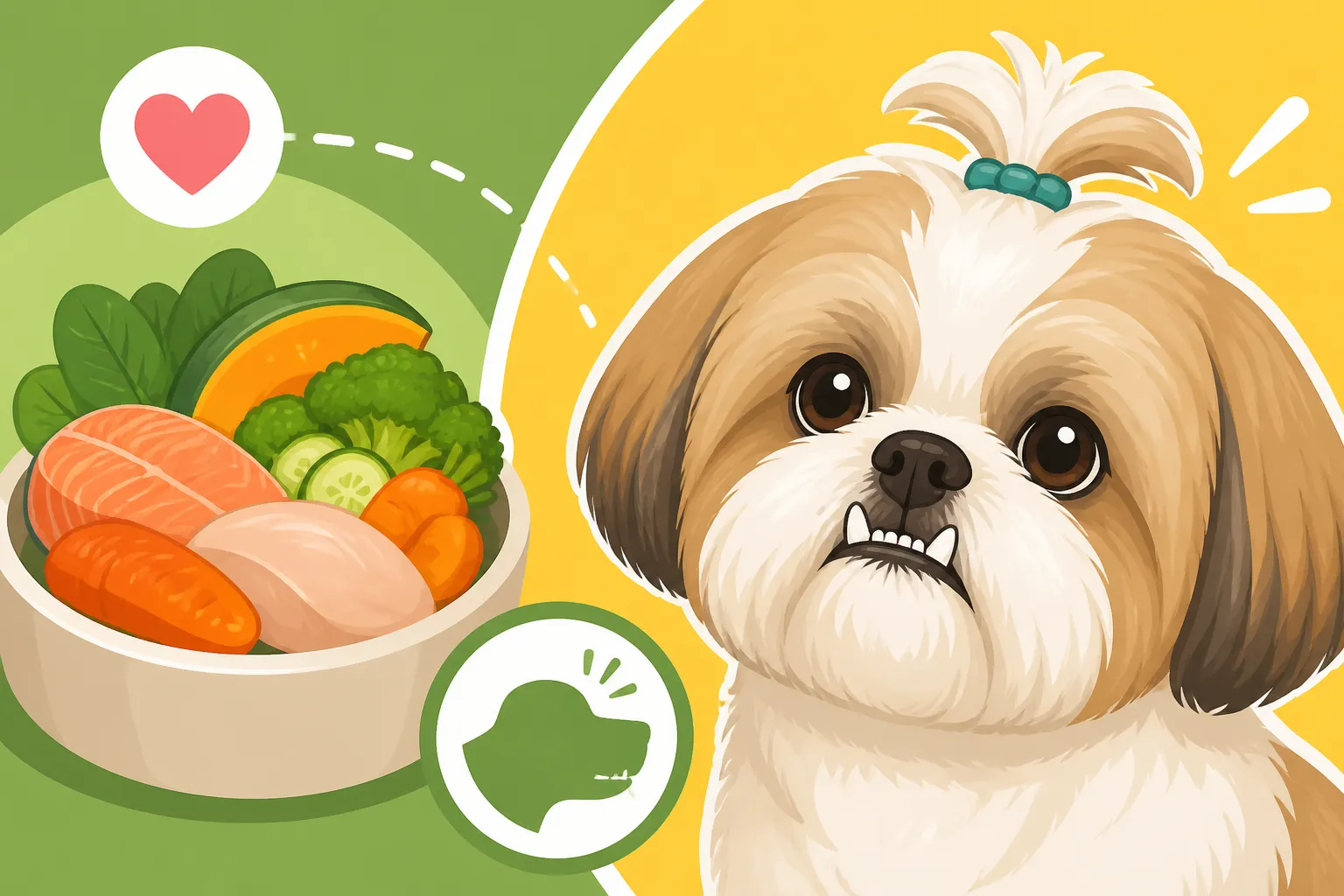
- Softer Consistency: Generally, fresh food is softer and easier to chew than hard kibble. If you're opting for gently cooked fresh food, make sure the proteins are tender and vegetables are soft (steamed, mashed, or finely diced). For raw diets, ground meat is usually much easier for them to manage than chunks.
- Appropriate Piece Size: This is crucial. Food pieces shouldn't be too small that they are hard to pick up with an underbite, nor too large that they are impossible to chew. Think pea-sized or slightly larger, but with a soft, pliable texture. If you're serving something like cooked chicken, shred it finely. If it's vegetables, mash them or cut them into very small, soft cubes. This helps them scoop it up with their tongue and minimizes the effort needed for chewing. Many commercial fresh food diets, like those you might find available for delivery or on Chewy, come in textures already suitable for smaller breeds, sometimes even ground or pâté-like.
Bowl Choices and Feeding Methods to Aid Eating
The right bowl can make a surprising difference in how easily a Shih Tzu with an underbite eats.
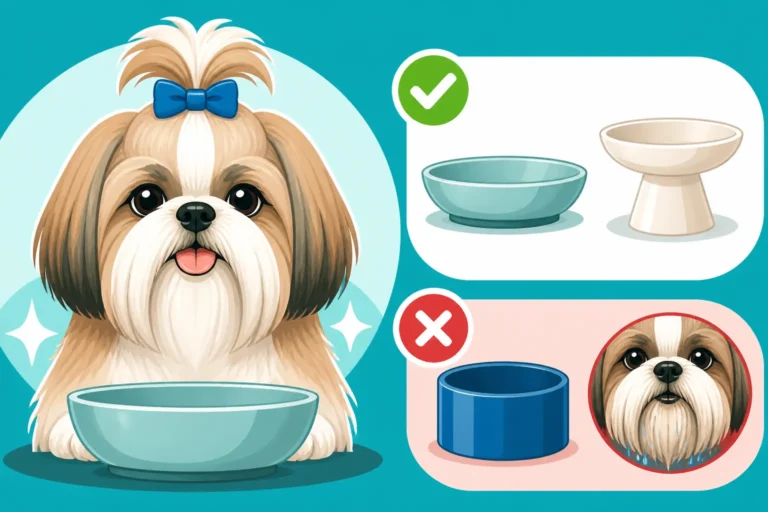
- Shallow and Wide Bowls: Deep bowls make it hard for flat-faced dogs to reach food without smashing their face into the sides. A shallow, wide bowl allows them to access food more comfortably without undue strain. Think a saucer rather than a deep cereal bowl.
- Slow Feeder Bowls: While typically used for fast eaters, some slow feeder designs with gentle ridges can actually help a Shih Tzu pick up food by creating small "pockets" that prevent food from scattering too much. You can find many varieties on Amazon. Experiment to see what works for your dog.
- Elevated Bowls: For some Shih Tzus, an elevated bowl might reduce neck strain, making mealtime more comfortable, especially if they are getting older or have Shih Tzu Back Problems and Disc Disease.
- Hand-Feeding or Scatter Feeding: Occasionally hand-feeding, especially during training, can be a great bonding experience. For fresh food, you can even try placing small, manageable portions directly into their mouths or scattering it on a clean mat (like a slow-feeder mat) to encourage natural foraging, provided the food consistency allows for it.
Hygiene: Keeping That Beautiful Face Clean
One inevitable side effect of an underbite and eating soft, fresh food is mess. Food can easily get caught in the folds around their nose, in their beard, or stuck to the fur around their mouth. This isn't just unsightly; it can lead to skin irritation, infections, and even further dental issues if food particles are constantly coating their teeth and gums.
- Immediate Post-Meal Cleaning: This is non-negotiable. After every meal, gently wipe your Shih Tzu's face, beard, and around their mouth with a warm, damp cloth. Special pet wipes can also be helpful for convenience. This prevents food from drying and hardening in their fur, and reduces the risk of bacterial growth. This is closely related to Cleaning a Shih Tzu Beard After Wet Food.
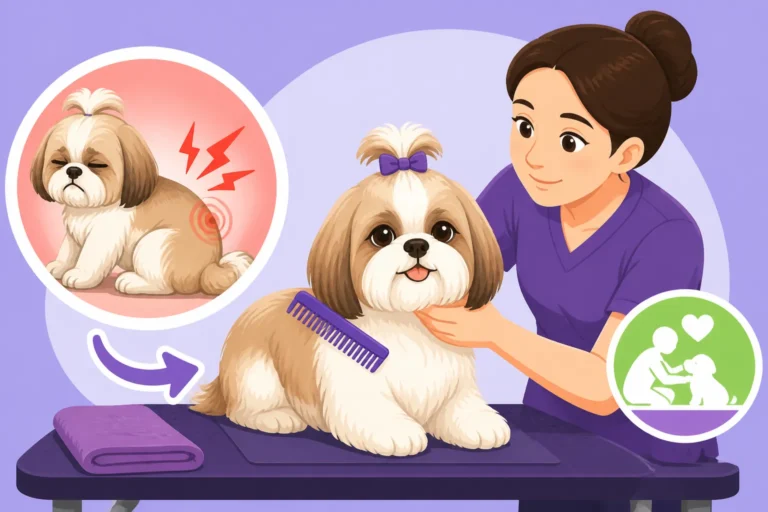
- Trimming Facial Hair: Keep the hair around their mouth and eyes trimmed short. A "puppy cut" often helps here, but even with a longer coat, a skilled groomer can do a sanitary trim around the face that keeps things tidier. Less hair means fewer places for food to cling.
Practical Tips for Feeding Fresh Food to a Shih Tzu with an Underbite
Switching to a fresh food diet or just ensuring it's right for your underbite-equipped Shih Tzu takes a bit of planning and observation.
Consulting Your Vet or a Veterinary Nutritionist
Before making any significant dietary changes, especially to a homemade fresh food diet, always consult your veterinarian. They can provide guidance tailored to your Shih Tzu's specific health needs, age, and activity level. If you're keen on making your own food, a board-certified veterinary nutritionist is an invaluable resource. They can help you formulate recipes that are complete and balanced, ensuring your dog gets all the necessary nutrients without any deficiencies or excesses. This step is critical, as an improperly balanced homemade diet can cause more harm than good in the long run.
Choosing Between Homemade and Commercial Fresh Food
Both homemade and commercial fresh food options have their merits.
- Homemade Fresh Food: Offers the most control over ingredients and preparation. You can tailor recipes precisely to your Shih Tzu's preferences or sensitivities. However, it demands a significant time commitment and expertise to ensure nutritional balance. Sourcing human-grade ingredients can also be a task.
- Commercial Fresh Food (e.g., Ollie): These services deliver pre-portioned, nutritionally balanced meals directly to your door. They often have recipes formulated by veterinary nutritionists, taking the guesswork out of meal balancing. Many are gently cooked, making them highly digestible. This is a fantastic option for convenience and peace of mind regarding nutrition. You can easily set up a subscription that caters to your dog's weight and activity level.
- Raw Food (BARF/Prey Model): This involves feeding raw meat, bones, and organs. While some owners swear by raw feeding, it carries a higher risk of bacterial contamination (for both dog and human) and requires even more meticulous balancing. For a brachycephalic breed like the Shih Tzu, consuming raw meaty bones can also be a choking hazard or risk dental fractures due to their jaw structure. If considering raw, extreme caution and veterinary guidance are absolutely essential.
Monitoring and Adjusting
Once you start with fresh food, keep a close eye on your Shih Tzu.
- Observe Eating Habits: Watch how easily they pick up and chew the food. Are they making less mess? Are they finishing their meals without frustration? If not, consider adjusting the food's consistency or piece size.
- Check Digestion: Monitor their stools. They should be firm and well-formed. Any diarrhea, constipation, or excessive gas might indicate the diet isn't quite right or that the transition was too fast.
- Assess Overall Health: Look for positive changes like improved coat quality, energy levels, and alertness. Conversely, watch for any signs of lethargy, dull coat, or unusual weight changes, which could signal nutritional imbalances or other issues. Don't forget that Shih Tzu Obesity on a Sixteen Pound Frame is a real concern, so accurate portioning is always important, regardless of the diet type. Regular vet check-ups are always a good idea, and your vet can perform bloodwork to ensure all nutritional parameters are within healthy ranges.
Comparison of Fresh Food Types for Shih Tzus with Underbites
| Feature | Homemade Gently Cooked | Commercial Gently Cooked (e.g., Ollie) | Commercial Raw (e.g., some Chewy options) |
|---|---|---|---|
| Nutritional Balance | Requires vet nutritionist input for completeness | Formulated by vet nutritionists, usually AAFCO compliant | Requires significant research and care to be balanced |
| Ingredient Control | Highest control, can tailor to allergies/preferences | High control, transparent ingredient lists | High control, but source quality varies |
| Preparation Effort | High (shopping, cooking, portioning) | Low (pre-portioned, thaw and serve) | Moderate (thawing, careful handling) |
| Suitability for Underbite | Excellent (can adjust texture/size easily) | Excellent (often soft, small portions) | Good (ground options are best, avoid bones) |
| Cost | Varies, can be higher depending on ingredients | Generally higher than kibble | Varies, can be higher |
| Hydration Benefit | High | High | High |
| Dental Impact | Neutral to positive (less sticky food) | Neutral to positive (less sticky food) | Potentially beneficial for some larger breeds, but risky for Shih Tzus (bones) |
| Storage | Freezer/fridge space required | Freezer/fridge space required | Freezer/fridge space required, very careful handling |
Ultimately, feeding a Shih Tzu with an underbite a fresh food diet is not only possible but can be highly beneficial, provided you take the necessary steps to ensure it’s balanced, appropriately prepared, and presented in a way that accommodates their unique anatomy. By focusing on soft textures, manageable piece sizes, and attentive post-meal cleaning, you can transform mealtime from a struggle into a delightful and nourishing experience for your cherished companion.
Disclaimer
This article is for general informational purposes only and does not constitute professional advice. Laws, prices and regulations vary by location and change over time. Consult a qualified professional for guidance on your specific situation.