Cleaning Food Out of a Shih Tzu Beard
If you're a Shih Tzu parent, you know the struggle: that adorable, flowing beard, a hallmark of the breed, quickly becomes a magnet for every crumb, every drop of water, and frankly, anything else they might sniff out during mealtime. It's not just a little unsightly; left unaddressed, food debris in their facial hair can lead to odors, skin irritation, and even infections, making cleanup a crucial, though sometimes frustrating, part of daily care. This guide is here to walk you through how to effectively clean food out of your Shih Tzu's beard, turning a messy chore into a manageable routine.
Understanding the Shih Tzu Beard Challenge
Let's face it, your Shih Tzu's glorious beard is part of what makes them so utterly charming. But that charm comes with a unique set of care requirements, especially when it comes to keeping it clean and free of dinner remnants. It's not just about aesthetics; their facial hair, combined with their brachycephalic (flat-faced) structure, creates a perfect storm for mess and potential health issues.
The Anatomy of a Shih Tzu Beard
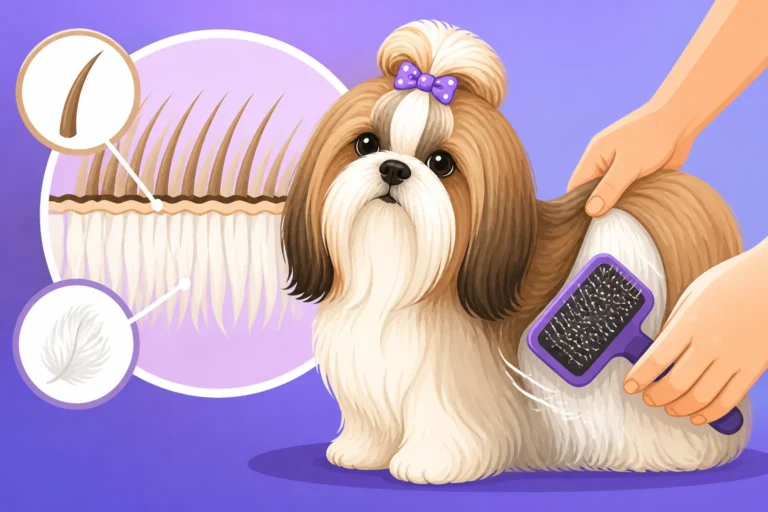
A Shih Tzu's beard isn't just any hair; it's part of their magnificent double coat, often featuring fine, silky strands that can grow quite long. This hair isn't coarse like some other breeds; it's soft, absorbent, and surprisingly effective at clinging to bits of kibble, gravy, or even just plain water. Imagine trying to eat soup with a finely woven scarf around your chin – that's essentially what your Shih Tzu is dealing with every meal. The density of their coat, especially around the face, means that once food gets tangled in there, it's not simply going to fall out. It gets embedded, ready to solidify into an unpleasant, smelly crust.
Moreover, the Shih Tzu's distinctive underbite, while endearing, can inadvertently contribute to the problem. Their jaw structure means that their lower teeth often protrude slightly, and the way they chew can push food particles upward and outward, directly into the surrounding beard hair. This creates more surface area for food to adhere to, making mealtime a truly immersive experience for their facial fur. Understanding this unique anatomy is the first step to developing an effective cleaning strategy.
The Messy Reality: How Food and Drink Get Stuck
It's a familiar scene: your Shih Tzu finishes their meal, lifts their head, and you're greeted with a beard adorned with remnants of their dinner. Dry kibble crumbs get trapped and crushed into the finer hairs, turning to a powdery, often greasy, residue. Wet food or fresh food, with its softer, stickier consistency, can mat the hair together, forming hardened clumps that become incredibly difficult to remove once dry. Even water isn't innocent; after a drink, their beard soaks up moisture, which can then mix with stray food particles or even just saliva, creating a damp, smelly environment perfect for bacterial growth.
This constant dampness and trapped food create a breeding ground for unpleasant odors and, more seriously, skin irritation. The skin underneath a continually wet or food-encrusted beard can become inflamed, leading to dermatitis or even yeast infections. You might notice your dog scratching at their face, or the skin appearing red and angry when you finally get a good look. This is why immediate and thorough cleaning isn isn't just about keeping your home tidy; it's a vital part of your Shih Tzu's overall health and comfort. It's truly a daily battle that every Shih Tzu owner understands.
The Immediate After-Meal Cleanup Routine
When it comes to keeping your Shih Tzu's beard clean, the golden rule is simple: act fast. Don't wait for those damp kibble bits to dry and harden into crusty, impossible-to-remove nuggets. Establishing an immediate after-meal cleanup routine is the single most effective way to prevent bigger problems down the line. Think of it as brushing your own teeth after eating; it's a non-negotiable step.
Gentle Wiping Techniques
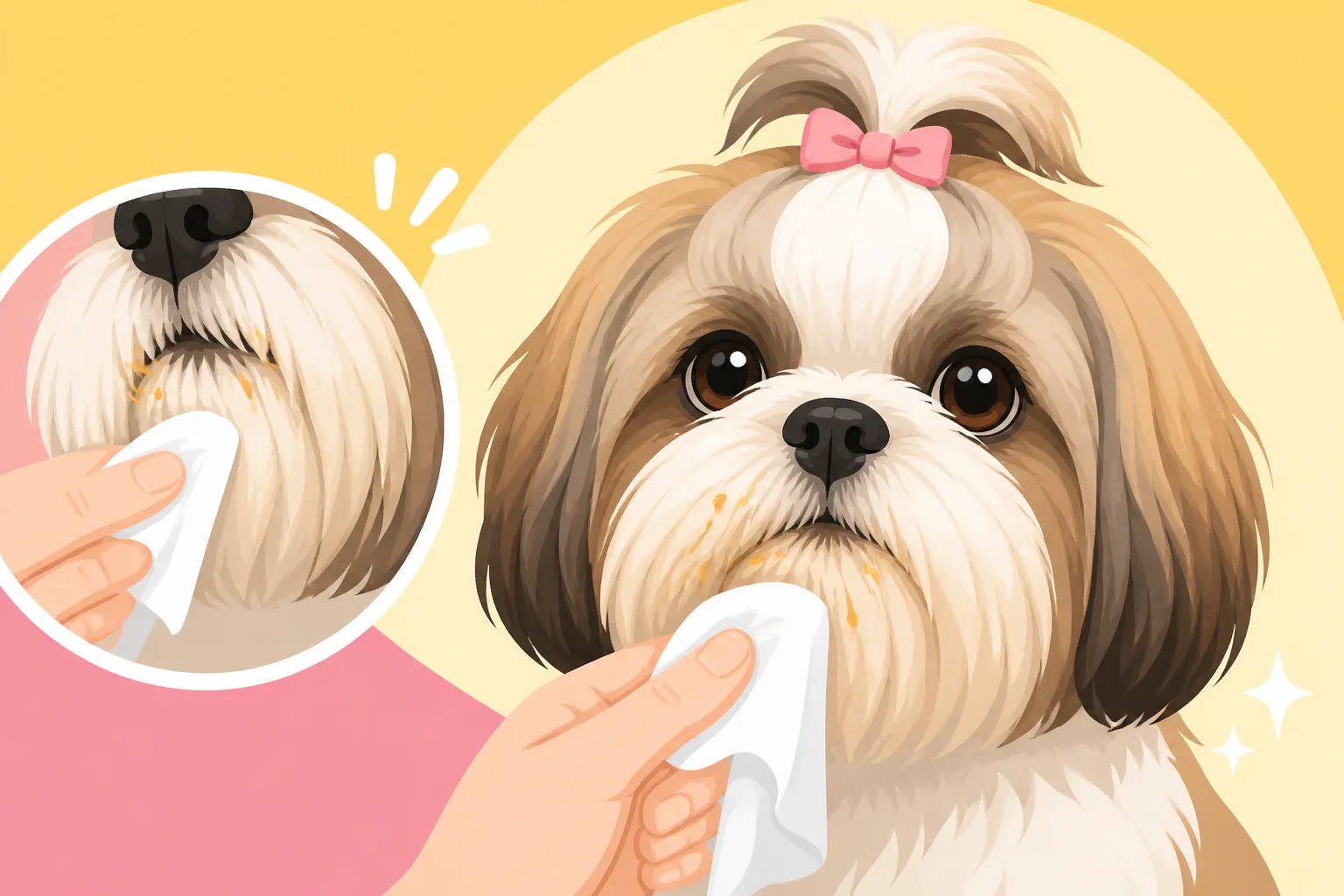
As soon as your Shih Tzu finishes eating or drinking, have your cleaning supplies ready. A soft, clean cloth or a dedicated dog-specific wipe is your best friend here. Dampen the cloth with lukewarm water – not too hot, not too cold – as extreme temperatures can be uncomfortable or even startling for your dog. Gently cup your Shih Tzu's chin and use the damp cloth to wipe downward, away from their mouth and eyes. You're aiming to catch all the loose food particles before they have a chance to dry or work their way deeper into the hair.
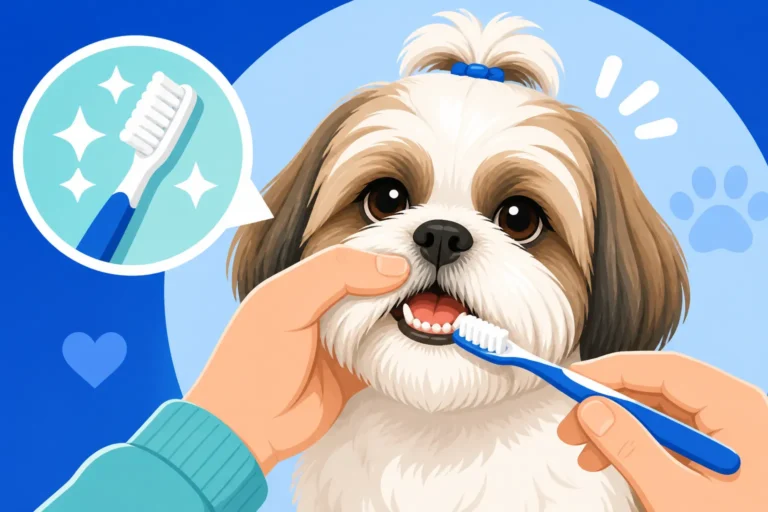
For more stubborn bits, you might need to use a slight dabbing or blotting motion, rather than just wiping. Be incredibly gentle, especially around their delicate eyes and nose. Many Shih Tzus are sensitive about their faces being handled, so make this a positive experience with soft voices and perhaps a tiny, quick reward after. Some owners even keep a small, soft-bristled toothbrush (separate from their dental brush) specifically for gently loosening dried crumbs from the beard, working carefully through the hair. Remember, the goal is to remove the mess without causing any discomfort or pulling on their sensitive facial hair. Consistently employing these Washing a Shih Tzu Face After Every Meal techniques will make a huge difference.
The Importance of Timeliness
You might be tempted to let your Shih Tzu run off after dinner, but trust me, a few minutes of immediate cleanup saves you a lot more time and frustration later. Food particles, especially wet food, start to dry and bond with the hair almost instantly. What's a quick, easy wipe immediately after eating can become a struggle involving a comb, mat-breaker, or even scissors if left for an hour or two. Think about that caked-on spaghetti sauce on a plate – much easier to wipe off fresh than after it's dried overnight!
Timeliness also plays a critical role in preventing odor. Food debris, mixed with saliva and moisture, quickly starts to ferment or develop bacteria, leading to that distinct "doggie breath" smell that seems to permeate their entire beard. Regular and prompt cleaning significantly reduces the chance of these odors taking hold. Make it a part of your daily rhythm: they finish eating, you reach for the cloth. With consistency, your Shih Tzu will learn to expect this brief interaction and may even come to tolerate it better, knowing a treat might follow. This quick action can prevent discomfort and the need for more intensive Cleaning a Shih Tzu Beard After Wet Food sessions later on.
Deep Cleaning and Preventative Measures
While the immediate post-meal wipe is crucial, it's often not enough to keep a Shih Tzu's beard pristine over the long term. Regular, more thorough cleaning, combined with proactive grooming, forms the backbone of effective beard care. These steps go beyond just surface-level tidiness to address underlying issues and maintain overall hygiene.
Regular Beard Washing
Just like the rest of their coat, your Shih Tzu's beard needs regular washing. Depending on how messy your dog is, this might mean a dedicated beard wash every few days or as part of their regular bath schedule, typically every two to three weeks. Choose a gentle, dog-specific shampoo that is tearless, as you'll be working close to their eyes. You can find excellent options on retailers like Chewy or Amazon. Wet the beard thoroughly with lukewarm water, apply a small amount of shampoo, and gently lather, working through the hair with your fingertips.
Pay special attention to the areas closest to the mouth, where food tends to accumulate most. Rinse thoroughly until all shampoo residue is gone; leftover shampoo can irritate the skin and attract more dirt. After washing, gently blot the beard dry with a soft towel, then use a low-heat hairdryer specifically designed for pets, or allow it to air dry, continually brushing to prevent tangles as it dries. A damp beard is a recipe for matting and skin issues, so ensuring it's completely dry is vital. For dogs with significant tear staining, you might also consider a specialized facial cleanser designed to tackle discoloration, which often affects the beard area as well.
Trimming Around a Shih Tzu's Mouth
One of the most effective preventative measures you can take is to strategically trim the hair around your Shih Tzu's mouth and beard. While you might love the long, flowing look, a slightly shorter, more practical length in this specific area can drastically reduce the amount of food and water that gets trapped. You don't need to shave it short, just trim it to a length where it doesn't constantly dip into their food and water bowls. This is where Trimming Around a Shih Tzu's Mouth becomes an art form.
Using blunt-nosed grooming shears (available on Amazon, for example), carefully trim the hair in a rounded shape around their muzzle, being incredibly cautious not to cut their skin or whiskers. If you're nervous about doing this yourself, your professional groomer can easily incorporate a "tidy-up" around the mouth into their regular appointments. Many groomers refer to this as a "puppy cut" for the face, even for adult dogs, simply to keep the area clean and manageable. Discussing your concerns about food mess with your groomer can help them tailor a trim that works best for your dog's lifestyle and your sanity.
Choosing the Right Tools and Accessories
Cleaning your Shih Tzu's beard can be made significantly easier with the right equipment. Beyond just a damp cloth, there are several specialized tools and accessories designed to prevent mess and simplify the cleanup process. Investing in these can save you time, reduce frustration, and contribute to your dog's overall comfort and hygiene.
| Tool/Accessory | Purpose | How It Helps with Beard Cleanliness |
|---|---|---|
| Stainless Steel Comb | Detangling and removing loose debris. | Helps to gently separate matted beard hair and pull out stuck food particles. |
| Soft-Bristle Dog Brush | Daily light brushing to prevent buildup. | Removes surface-level crumbs and helps keep the beard fluffy and less prone to matting. |
| Damp Microfiber Cloth | Immediate post-meal wiping. | Highly absorbent and gentle, effectively wipes away fresh food and moisture. |
| Pet Wipes (Fragrance-Free) | Convenient on-the-go cleaning. | Pre-moistened for quick cleanup when a cloth isn't practical. |
| Snood / Dog Hair Ties | Keeping beard hair out of food/water. | Physically holds the beard back during meals, preventing initial contact. |
| Elevated Feeding Bowls | Promoting better posture and reducing mess. | Less bending means less beard dipping into food/water. |
| Slow Feeder / Lick Mat | Controls eating speed, reducing scattering. | Encourages calmer eating, which can mean less flung food. |
| Stainless Steel Water Bottle | Mess-free hydration on walks. | Provides water without soaking the beard, especially when out and about. |
Specialized Bowls and Feeders
One of the biggest culprits for a messy beard is often the standard food and water bowl. When a Shih Tzu dips their head down, their long facial hair inevitably ends up in the food or water. This is where specialized bowls come into play. Look for elevated bowls that bring the food up to a more comfortable height for your dog, reducing the amount of bending required. This can mean less beard contact with the rim and contents of the bowl. Brands like Chewy often carry a variety of elevated diner sets that can be adjusted to your Shih Tzu's height.
Beyond elevation, consider the design of the bowl itself. Bowls with narrower openings or sloped sides can help contain food and water better, preventing splatters and deep dives by the beard. Some bowls are specifically designed with a "moat" or a raised center to minimize beard contact. For water, a fountain-style drinker can sometimes be less messy than a traditional bowl, as the moving water encourages drinking without as much beard submersion. Experimenting with different bowl types can yield surprisingly clean results and make a huge difference in how much Cleaning Food Out of a Shih Tzu Beard you have to do.
Snoods and Hair Ties
Sometimes, the simplest solutions are the most effective. For Shih Tzus with longer beards, a snood can be a game-changer. A snood is essentially a fabric tube that you gently slide over your dog's head, covering their ears and beard, to keep the hair completely out of their food and water. Think of it as a chef's hat for their beard! You can find various snoods on Amazon, often made from soft, breathable materials that won't irritate their skin. It might take a little getting used to for your Shih Tzu, but many dogs quickly adapt, especially if you introduce it with positive reinforcement and treats.
Alternatively, if your Shih Tzu's beard isn't quite long enough for a full snood, or if you prefer a simpler approach, you can use soft dog-specific hair ties or small elastic bands to gather the beard hair and hold it back during meal times. This is similar to creating a tiny "ponytail" for their beard. Just be sure not to tie it too tightly, as this can cause discomfort or even damage the delicate hair. The key is to create a barrier between the food and the fur. While these might seem like small accessories, they are powerful tools in preventing beard mess and maintaining cleanliness. Whether a Shih Tzu Needs a Snood at Meals is a common question, and for many, the answer is a resounding yes!
Dietary Considerations for a Cleaner Beard
What your Shih Tzu eats, and how they eat it, can have a surprisingly big impact on the cleanliness of their beard. It's not just about the mess they make; the consistency of the food, how much they scatter, and even their water intake can contribute to beard issues. Making thoughtful choices here can complement your cleaning routine and keep that facial hair looking its best.
Kibble vs. Wet Food vs. Fresh Food
Each type of food presents its own unique challenge and benefit for a Shih Tzu's beard.
- Kibble: Dry kibble, especially if it's too large or oddly shaped for your Shih Tzu's small mouth and underbite, can be easily scattered. When they chew, crumbs can fly, getting lodged in the surrounding beard hair. Smaller, rounder kibble pieces tend to stay in the bowl better and are less likely to create as much mess. However, if the kibble gets wet and sticks to the beard, it can dry into hard, crusty bits.
- Wet Food: This is often the messiest option for a Shih Tzu's beard. The soft, sticky consistency easily smears onto their facial hair, especially around the mouth and chin. Once it dries, it can form a tough, matted crust that is difficult to remove without thorough washing. If you feed wet food, immediate, diligent wiping is absolutely essential.
- Fresh Food/Home-Cooked Meals: Similar to wet food, these can be quite messy due to their moisture and often softer textures. However, some fresh food options, particularly those with a firmer, more uniform consistency (like gently cooked, minced meat and vegetables), might be slightly less prone to smearing than very soft, gravy-laden wet foods. Companies like Ollie offer fresh food subscriptions that are often less soupy than canned options, which could be a consideration. Regardless, a Cleaning a Shih Tzu Beard After Wet Food approach is needed here too.
When selecting food, consider kibble size – Kibble Small Enough for a Shih Tzu Underbite is important. For wet or fresh foods, consider serving smaller, more manageable portions at a time, or using a flat plate rather than a deep bowl to reduce the beard's direct contact with the food.
Water Intake and Beard Dampness
It's not just food that gets stuck in the beard; water is a constant companion. Every sip your Shih Tzu takes can lead to a damp beard, and this persistent moisture can be just as problematic as food residue. A constantly wet beard is a prime environment for bacterial or yeast growth, which can lead to unpleasant odors, skin irritation, and even infections underneath the hair. Think about how your own skin feels after being damp for too long; it's no different for your dog.
To combat this, in addition to using snoods, consider offering water in specific ways. Some owners find that a traditional water bowl can be replaced with a pet drinking fountain that circulates water, which some dogs might approach more carefully. Others use a specialized no-drip water bottle for dogs, similar to what you might see for small rodents, but larger. While this takes some training, it can completely eliminate beard dampness from drinking. No matter the method, after your Shih Tzu drinks, a quick pat with a clean, dry cloth can help wick away excess moisture. This simple step can go a long way in preventing the damp, smelly beard syndrome that so many Shih Tzu owners contend with.
Addressing Persistent Stains and Odors
Even with the most diligent daily routine, some Shih Tzus develop persistent staining and odors in their beard area. This can be incredibly frustrating, making you feel like you're fighting a losing battle. But don't despair; there are specific strategies and products designed to tackle these more stubborn issues, helping your Shih Tzu look and smell fresh.
Tear Stain Products and Their Application
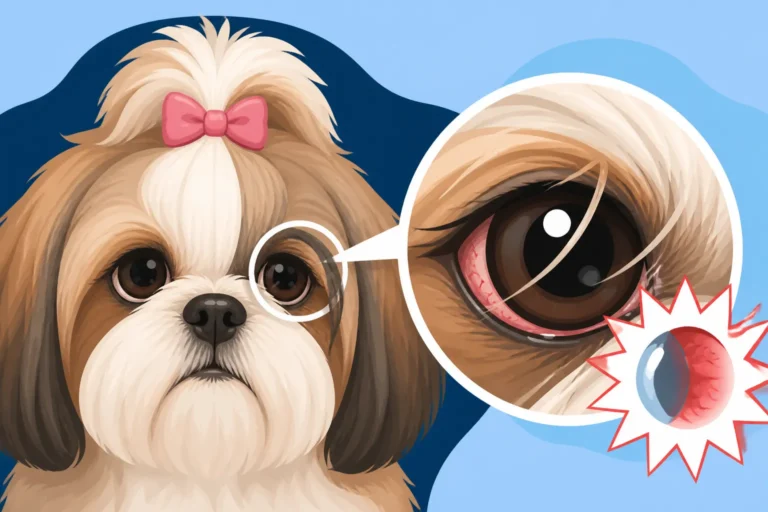
Shih Tzus are unfortunately prone to tear staining, a reddish-brown discoloration that often extends from their inner eye corners down into their beard and muzzle hair. This staining is caused by porphyrins, iron-containing molecules excreted in tears, which turn reddish-brown when exposed to light. While not always directly related to food, food debris and dampness can exacerbate the issue by creating a more hospitable environment for bacteria that can darken the stains. Understanding Shih Tzu Tear Stains and What Causes Them is the first step in tackling them.
There are numerous over-the-counter Products That Clear Shih Tzu Tear Staining available, ranging from topical wipes and cleansers to dietary supplements. For topical application, look for gentle, non-irritating formulas specifically designed for dogs. Apply these with a soft cotton pad or cloth, following the product instructions carefully, ensuring not to get anything directly into your dog's eyes. Consistency is key; these products rarely work overnight. For dietary approaches, some owners find success with supplements containing ingredients thought to reduce porphyrin production, but always consult with your veterinarian before introducing any new supplement to your dog's diet. Regular, gentle cleaning of the eye area, combined with diligent beard hygiene, offers the best defense against stubborn tear and beard stains.
Dealing with Stubborn Odors
A persistent, unpleasant odor emanating from your Shih Tzu's beard often signals more than just a bit of old food. It could indicate a buildup of bacteria or yeast, particularly if the area is frequently damp. If you've been consistent with your cleaning and the smell lingers, it's time to investigate further. Gently part the hair and examine the skin underneath. Is it red, irritated, or greasy? Are there any sores or bumps? These could be signs of a skin infection, such as bacterial dermatitis or a yeast infection, which will require veterinary attention and possibly prescription medication or specialized shampoos.
For less severe, but still stubborn, odors, increasing the frequency of beard washing with a good quality, anti-bacterial/anti-fungal dog shampoo can help. Some natural remedies, like a diluted apple cider vinegar rinse (always consult your vet first and use extreme caution around eyes), are touted for their odor-fighting properties, but chemical imbalances can cause more harm than good. Ensure the beard is always thoroughly dried after washing, as dampness fuels odor-causing microorganisms. If the smell persists despite all your efforts, or if you notice any changes in your dog's skin, a visit to your vet is definitely in order to rule out underlying health issues. Sometimes, that lingering smell is your Shih Tzu's way of telling you something deeper is going on.
Disclaimer
This article is for general informational purposes only and does not constitute professional advice. Laws, prices and regulations vary by location and change over time. Consult a qualified professional for guidance on your specific situation.