Why a Shih Tzu Double Coat Mats So Fast
If you're a Shih Tzu owner, you know the struggle: you brush your sweet little lion dog, turn your back for five minutes, and suddenly, they're sporting a new, unsightly mat. It's frustrating, often painful for your pup, and can make you feel like you're constantly fighting a losing battle against the fuzz. This guide dives deep into exactly why your Shih Tzu's beautiful double coat is such a mat magnet and what you can do to keep it healthy and tangle-free.
The Unique Anatomy of a Shih Tzu Double Coat
Understanding why your Shih Tzu mats so quickly really starts with understanding the very thing that makes them so endearing: their coat. It's not just hair; it's a carefully engineered (by nature, not by me!) system designed for warmth and protection, but it comes with its own unique challenges for us as owners.
The Soft Undercoat
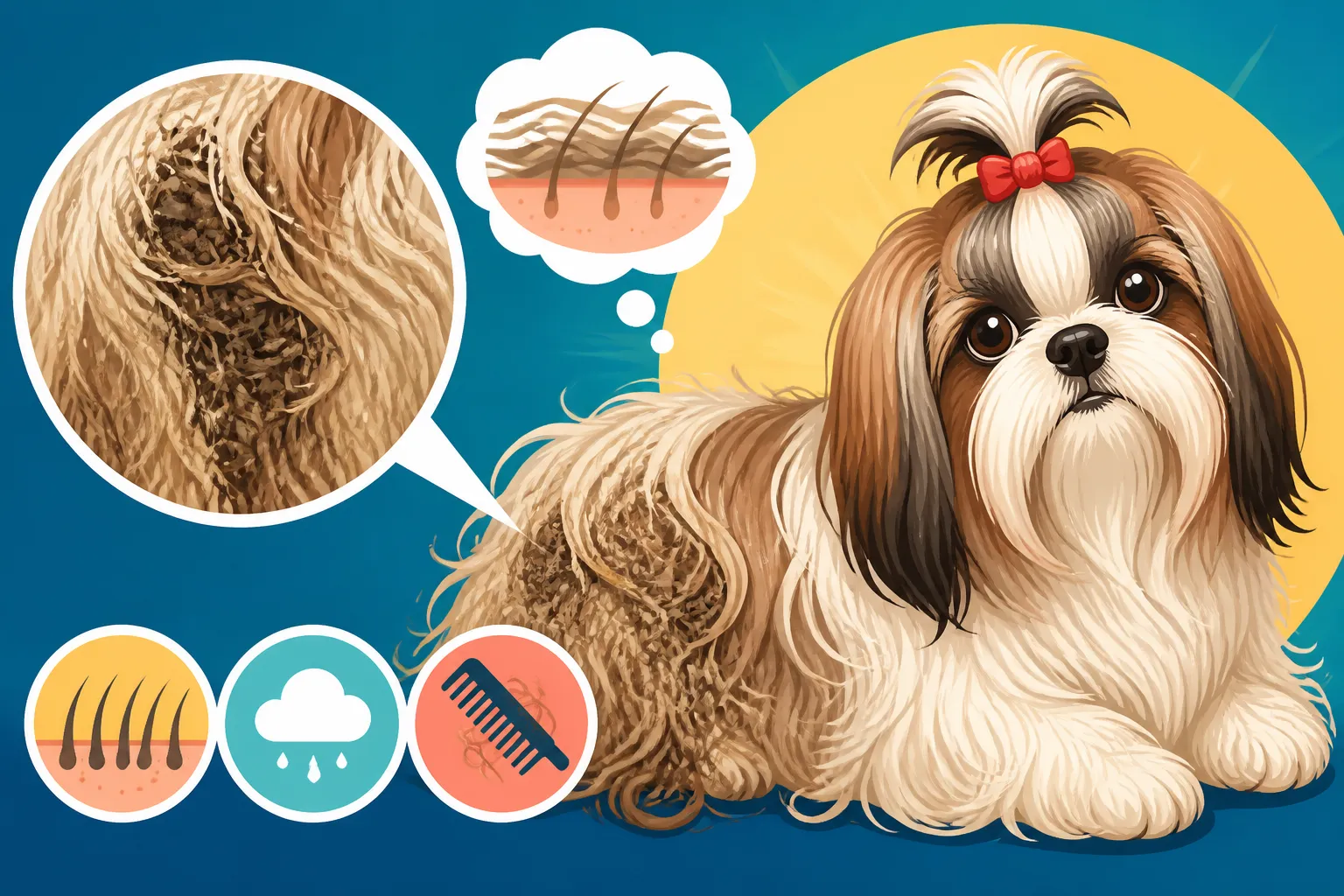
Beneath that flowing outer layer lies a dense, fluffy undercoat. This soft, downy hair is incredibly fine and grows much shorter than the outer coat. Its primary job is insulation – keeping your Shih Tzu warm in cooler temperatures and potentially offering some protection from heat. Think of it like a cozy fleece jacket they wear all the time. The problem? This undercoat is notorious for tangling. Because the individual hairs are so fine and numerous, they easily weave themselves together, especially when they shed or when there's any kind of moisture or friction. It's the silent saboteur of a smooth coat, often forming the core of those stubborn mats that seem to appear out of nowhere. If you've ever tried to brush out a Shih Tzu and hit a snag deep down, you're likely encountering a knot that started in this delicate undercoat.
The Silky Topcoat
Layered over the undercoat is the Shih Tzu's signature topcoat. This is the longer, coarser, and often silkier hair that gives them their distinctive flowing appearance. This outer layer is meant to protect the undercoat from external elements like dirt, debris, and light moisture. When well-maintained, it has a natural drape and shine. However, the topcoat itself isn't immune to matting. When the undercoat starts to tangle, the topcoat hair, especially if it's fine, gets pulled into the mess, creating larger, more visible mats. Picture trying to comb through a silk scarf that has a ball of cotton tangled within it – the silk will inevitably get caught. The combination of these two distinct textures, one fine and dense, the other long and flowing, creates a perfect storm for knots if not meticulously maintained. It's the sheer volume and interplay of these two layers that make daily attention crucial for a Shih Tzu.
Continuous Hair Growth
Unlike many other breeds with coats that "blow" or shed heavily only twice a year, Shih Tzus are often described as having hair that grows continuously, much like human hair. This is why they're often considered a good breed for allergy sufferers, as they shed less dander into the environment. However, this continuous growth is also a significant factor in their matting predisposition. The old hair doesn't just fall out freely; it often gets caught within the growing new hair and the dense undercoat. When shed hair remains trapped in the coat, it quickly forms clumps and tangles. Imagine not brushing your own long hair for a few days – the shed strands would inevitably start to coil and knot. For a Shih Tzu, this process happens constantly and throughout their entire double coat, making consistent grooming absolutely non-negotiable. Without regular brushing to remove these trapped, dead hairs, mats can grow larger and tighter surprisingly fast. This unique growth pattern means we can't just brush "when needed" but must be proactive and consistent.
Factors That Accelerate Matting
It's not just the coat itself; various environmental and lifestyle factors contribute significantly to how quickly your Shih Tzu's hair turns into a tangled mess. Understanding these can help you better manage their grooming routine.
Moisture and Humidity
Water, whether it's from a bath, a walk in the rain, or even high humidity, is a mat's best friend. When a Shih Tzu's double coat gets wet, especially without thorough drying and brushing, the hairs clump together. The fine undercoat becomes particularly prone to knotting when damp. Think about how your own hair behaves after a shower if you don't comb it out – it air-dries into tangles. For a Shih Tzu, with their two distinct coat layers and continuous growth, this effect is magnified. A quick splash in a puddle, a humid summer day, or an incomplete drying after a bath can set the stage for major matting. These mats, once formed when wet, can then dry into incredibly tight, painful clumps that are much harder to remove. This is why a proper Bathing a Full Coat Shih Tzu on Schedule is not just about cleanliness, but crucial for mat prevention.
Friction and Movement
Our active little pups are always moving, and unfortunately, every rub, roll, and scratch contributes to mat formation. Friction is a major culprit. When your Shih Tzu walks, lies down, or interacts with furniture or even other pets, their hair rubs against surfaces and itself. Areas where friction is common, like under the legs, behind the ears (where their head rubs against their neck), or under a collar or harness, are prime matting zones. Imagine the constant gentle tugging and pressing on those delicate hairs. Each movement acts like a tiny braiding machine, weaving the individual strands of the undercoat and topcoat together. Even something as simple as sleeping on a rough blanket or rubbing against a carpet can initiate a mat. This constant friction means that mats can develop not just from neglect, but from the everyday joyous wiggles of a happy Shih Tzu. This is particularly true if they're wearing a Harnesses That Do Not Mat a Shih Tzu Coat that isn't properly fitted.
Seasonal Shedding Cycle
While Shih Tzus are often considered low-shedding, they do have a shedding cycle, especially with their undercoat. This is often more noticeable in spring and fall, but it can occur year-round. During these periods, the rate at which they shed their undercoat increases. These dead, loose hairs don't simply fall to the floor; they get trapped within the dense existing coat, particularly the longer topcoat. This creates a tangled mess just waiting to become a full-blown mat. It's like having a tangle of fishing line caught in a bush – the more loose strands there are, the faster a significant knot forms. If these shed hairs aren't removed daily through diligent brushing, they quickly combine with the continuously growing hair and any friction or moisture to form mats that are tough to get out. The seasonal increase in shedding just means you need to be even more vigilant with your brush.
Common Problem Areas for Mats
Mats don't just appear randomly; there are certain "hot zones" on a Shih Tzu's body where they are almost guaranteed to form if not regularly attended to. These areas experience more friction, are denser, or simply get overlooked during a quick brush-through.
Behind the Ears and Under the Legs
These spots are practically matting magnets. Behind the ears, the hair is often very fine and delicate, and it's constantly moving and rubbing against the neck and collar. Every head tilt, scratch, or play session contributes to tangles here. These mats can start small, as tiny knots, and quickly grow into large, painful clumps that pull on the sensitive skin around the ears. Similarly, the "armpits" (under the front legs) and groin area (under the back legs) are areas of high friction. The hair here is also fine, and it rubs against the body with every step your Shih Tzu takes. When they lie down, these areas are compressed, further encouraging mat formation. These mats are particularly tricky because they are often out of sight and can become very tight before an owner notices them, leading to discomfort and even skin irritation. Keeping these areas trimmed shorter can help, but regular, gentle brushing is paramount. Ignoring these spots can quickly lead to deeply embedded mats.
The Belly and Groin
The belly and groin region of a Shih Tzu is another critical area for mat prevention. The hair on the underside of their body tends to be softer and finer, similar to the undercoat. This area is also constantly in contact with surfaces like floors, beds, and laps, leading to consistent friction. Furthermore, it's a zone that often collects moisture from potty breaks or damp ground, which, as we discussed, is a prime accelerator for matting. These belly mats can become very wide and flat, often spreading across the entire abdomen if not caught early. They can be incredibly painful, making it uncomfortable for your dog to lie down or even walk. For male Shih Tzus, urine can also contribute to tangles around the sheath, and for females, similar issues can arise in the perianal area. This is why Shih Tzu Sanitary Trims and Why They Matter are not just for hygiene but also for preventing these types of uncomfortable mats.
Around the Harness and Collar
The areas where a harness or collar sits are notorious for matting. While harnesses are generally recommended over collars for Shih Tzus to protect their delicate necks and airways, they can still cause significant friction where the straps rest against the coat. The constant movement of the harness, especially if it's not perfectly fitted, can rub the hair, creating tight, flat mats. This is particularly true under the chest strap and across the back. The same goes for collars, though to a lesser extent, mostly around the neck. Even a perfectly fitted piece of gear will cause some amount of friction. If your Shih Tzu wears their harness for extended periods, or if it gets wet and isn't dried thoroughly, the risk of matting increases dramatically. It's vital to remove the harness or collar daily, even if just for a short period, to allow the coat to be brushed through in these specific areas. Many owners don't realize how quickly these mats can form, believing their dog is "brushed" only to find a solid slab of felt underneath the harness.
The Consequences of Untreated Matting
Beyond simply looking disheveled, untreated mats can lead to a host of serious health and welfare issues for your beloved Shih Tzu. It's far more than just a cosmetic problem; it's a matter of comfort and health.
Skin Irritation and Infections
One of the most immediate and common consequences of severe matting is skin irritation. Mats pull tightly on the skin, causing constant tension and discomfort. This persistent pulling can lead to redness, inflammation, and even open sores beneath the mats. The dense, matted hair also creates a perfect breeding ground for bacteria and yeast. Air circulation is severely restricted, trapping moisture and heat against the skin. This warm, damp environment is ideal for the proliferation of skin infections, often leading to conditions like pyoderma (bacterial skin infection) or yeast dermatitis. You might notice a foul odor emanating from the mats, a clear sign of infection. The dog will often scratch, chew, or lick at these irritated spots, only exacerbating the problem and potentially creating "hot spots." This cycle of irritation and infection can be incredibly painful for your Shih Tzu and may require veterinary intervention, including antibiotics or antifungal medications. You can read more about specific skin issues in Shih Tzu Skin Allergies and Hot Spots.
Pain and Restricted Movement
Imagine wearing a tight, uncomfortable garment that pulls at your skin with every move you make. That's what severe matting feels like for a Shih Tzu. Mats, especially large, felted ones, can restrict your dog's natural movement. They can make it difficult for them to walk, run, jump, or even lie down comfortably. Mats around the joints, like the elbows, hips, or knees, can severely limit flexibility, making simple actions like stretching or climbing stairs painful. Some Shih Tzus develop what's known as "mat paralysis" where they literally cannot move certain limbs due to the tightness of the matted coat. This constant pain and restricted mobility significantly reduce their quality of life. They might become lethargic, withdrawn, or even aggressive when touched because they anticipate pain. The tighter the mat, the more it pulls, causing continuous agony that no pet owner wants their dog to experience. It's a cruel irony that the very coat we love can become such a source of suffering without proper care.
Emergency Grooming and Shaving
When mats become too severe, regular brushing is no longer an option. Attempting to brush out deeply felted mats is excruciatingly painful for the dog and often impossible without causing severe skin damage. In these cases, the only humane solution is often an emergency grooming session, which usually involves shaving the entire coat down. This process itself carries risks. Groomers must be extremely careful to avoid cutting the skin, which can be paper-thin and pulled taut by the mats. Shaving a heavily matted dog often reveals underlying skin issues, sores, or infections that were hidden beneath the matted fur. After the shave, your Shih Tzu might look quite different – almost like a different dog! – and their skin will be exposed to the elements, requiring extra care. This can be a stressful experience for both the dog and the owner, and it's also often a more expensive service than routine grooming due to the time and specialized care required. More importantly, it highlights a breakdown in routine care that could have been prevented with consistent daily effort.
Preventative Measures and Daily Care
The good news is that matting is largely preventable with consistent, dedicated care. It takes time and effort, but it's an investment in your Shih Tzu's comfort and health. Establishing a routine early on is key.
Daily Brushing Techniques
Daily brushing is the cornerstone of mat prevention for a Shih Tzu. This isn't just a quick run-through; it requires a systematic approach to ensure both the topcoat and, crucially, the undercoat are clear. You'll need the right tools: a slicker brush and a metal comb are essential. The technique is called "line brushing" or "sectioning." You start at the bottom of a section of hair (like a leg or flank) and hold the rest of the hair up with one hand. Brush downwards through the small section with the slicker brush, making sure to reach all the way to the skin. Once you've brushed a small section, use your metal comb to check for any tangles the slicker might have missed. If the comb glides through, you're good. If it snags, go back with the slicker brush. Then, you move up a small section and repeat the process. Always brush with the hair growth, not against it. Pay special attention to those high-friction areas we discussed. This meticulous approach ensures that all shed hair is removed before it can form a mat. It might take 15-30 minutes daily, depending on coat length, but it's worth every second. For more detailed guidance, check out Brushing a Full Coat Shih Tzu Every Single Day. Products like detangling sprays, readily available on platforms like Chewy or Amazon, can also make this process smoother by helping the brush glide through the hair.
Regular Bathing and Drying
Bathing a Shih Tzu is a bit of an art form, and doing it incorrectly can actually cause mats. Before any bath, you absolutely must brush your Shih Tzu thoroughly to remove all tangles. Water tightens mats, making them impossible to brush out once wet. Use a good quality dog shampoo and conditioner (often available on Ollie's pet product range or other specialized pet stores) formulated for long coats to help moisturize the hair and prevent tangles. Lather gently, avoiding scrubbing that can tangle the coat further. Rinse thoroughly to remove all product residue. The most critical step after bathing is drying. You cannot air-dry a Shih Tzu; it will lead to immediate and severe matting. Use a forced-air pet dryer (not a human hairdryer, which can be too hot and damage their skin) and brush simultaneously. Just like with daily brushing, you need to section the hair and dry it completely, right down to the skin, while brushing. Ensure every layer of the double coat is dry. Damp hair, even for a short time, will tangle and form mats. Aim for a bath every 2-3 weeks, or as needed, always following this careful routine. For specific tips, consider reading Drying a Shih Tzu Right Through the Undercoat.
Protective Gear and Lifestyle Adjustments
Beyond brushing and bathing, making some smart choices about your Shih Tzu's environment and accessories can go a long way in preventing mats. As mentioned, a well-fitted harness is better than a collar for protecting their throat, but even a harness needs to be removed regularly to brush the areas underneath. Consider investing in a silk or satin bed for your Shih Tzu, or covering their favorite resting spots with satin fabric. The smooth surface reduces friction on their coat while they sleep or lounge, which can significantly cut down on matting, especially on their belly and sides. If your Shih Tzu has very long hair, particularly on their face, tying a topknot is essential to keep hair out of their eyes and prevent tear staining, which can also contribute to matting around the face. You can find gentle hair ties and bows on platforms like Amazon. For outdoor adventures, especially in wet or muddy conditions, consider doggy raincoats or sweaters that can offer a layer of protection to their coat, preventing debris and moisture from getting directly into their fur. Even small lifestyle changes, like picking up your dog over rough terrain or limiting rolling in grassy areas, can make a difference. These seemingly minor adjustments add up to a healthier, happier, and less matted Shih Tzu.
When to Seek Professional Help
Even with the best intentions and diligent home care, sometimes a Shih Tzu's coat can get beyond our ability to manage. Knowing when to call in the professionals is vital for your dog's well-being.
When Home Care Isn't Enough
There are times when despite your best efforts, you might encounter a mat that simply won't budge. Perhaps it's too tight, too close to the skin, or your Shih Tzu is showing signs of pain or resistance when you try to tackle it. If you've spent more than a few minutes trying to gently work out a mat with appropriate tools and detangler spray, and it's still there, it's time to stop. Forcing a brush or comb through a severe mat is incredibly painful for your dog and can cause skin tears, bruising, or even a negative association with grooming. If you find multiple mats forming a large, felted patch, or if you notice any redness, soreness, or a foul odor under the mat, it's definitely time to consult a professional groomer or your veterinarian. Trying to cut out mats yourself with scissors is extremely dangerous due to the thin, pulled skin underneath, often resulting in accidental nicks and cuts that require veterinary attention. Recognizing your limits and seeking professional help is a sign of a responsible pet owner.
Finding a Groomer Who Understands Shih Tzus
Not all groomers are created equal, especially when it comes to a breed with a challenging coat like the Shih Tzu. When your Shih Tzu is matted, you need a groomer who has experience with their double coat and understands the nuances of dealing with tangles and sensitive skin. Look for a groomer who prioritizes the dog's comfort over saving every strand of hair. A good groomer will be honest about the severity of the matting and recommend the most humane course of action, which often involves a full shave-down if the mats are extensive. They should use gentle handling techniques, specialized clippers, and be vigilant about checking for skin issues. Don't be afraid to ask questions about their experience with Shih Tzus, their dematting philosophy, and their approach to matted coats. Visiting the salon, checking reviews, and getting recommendations from other Shih Tzu owners can help you find someone who will treat your pup with kindness and expertise. A great groomer can become an invaluable partner in maintaining your Shih Tzu's coat health, whether for regular upkeep or occasional dematting. You might find resources on how to choose a good groomer in articles like Grooming Chains Against Independent Shih Tzu Salons or Booking a Shih Tzu Groomer Every Six Weeks.
The Cost of Dematting vs. Shaving
When your Shih Tzu arrives at the groomer with mats, you'll generally be presented with two main options: attempting to demat the coat or shaving it off. The cost implications vary significantly between these two. Dematting is a painstaking, time-consuming process that requires a lot of skill and patience from the groomer. It often involves applying detangling products and carefully working through each mat inch by inch. Because of the labor involved and the potential stress on the dog, dematting services typically incur significant extra fees on top of the regular grooming price. Many groomers may even refuse extensive dematting altogether if they feel it would be too painful or traumatic for the dog. Shaving a matted coat, while still requiring precision to avoid injury, is generally a faster process for the groomer and less painful for the dog, making it the more humane choice in severe cases. However, shaving a heavily matted dog also comes with an upcharge due to the dulling of blades and the extra care required to navigate the taut, tender skin underneath. It’s always best to discuss these options and their associated costs upfront with your groomer. Being proactive with home grooming will always be more cost-effective and certainly more comfortable for your Shih Tzu than waiting until dematting or shaving becomes necessary.
| Matting Severity | Recommended Action | Potential Cost Impact (vs. routine groom) | Key Considerations |
|---|---|---|---|
| Mild (few small knots) | Home brushing & detangler | Minimal or none | Address immediately; prevent growth; use correct tools. |
| Moderate (scattered, tight mats) | Professional dematting (if possible) | Moderate to Significant Extra Fees | Painful for dog; groomer may refuse; time-consuming. |
| Severe (large, felted mats) | Full shave-down | Significant Extra Fees | Most humane choice; reveals skin issues; high grooming skill needed. |
| Extremely Severe (skin-bound) | Vet intervention/sedation | High (Vet + Groomer fees) | Often requires sedation; risk of skin injury; health emergency. |
Remember, your Shih Tzu's comfort and health are paramount. While a full, flowing coat is beautiful, it should never come at the expense of your dog's well-being. Consistent care, the right tools (some available on Chewy), and knowing when to call a professional are all part of being a great Shih Tzu parent.
Disclaimer
This article is for general informational purposes only and does not constitute professional advice. Laws, prices and regulations vary by location and change over time. Consult a qualified professional for guidance on your specific situation.