Shih Tzu Puppy Nipping at Fingers
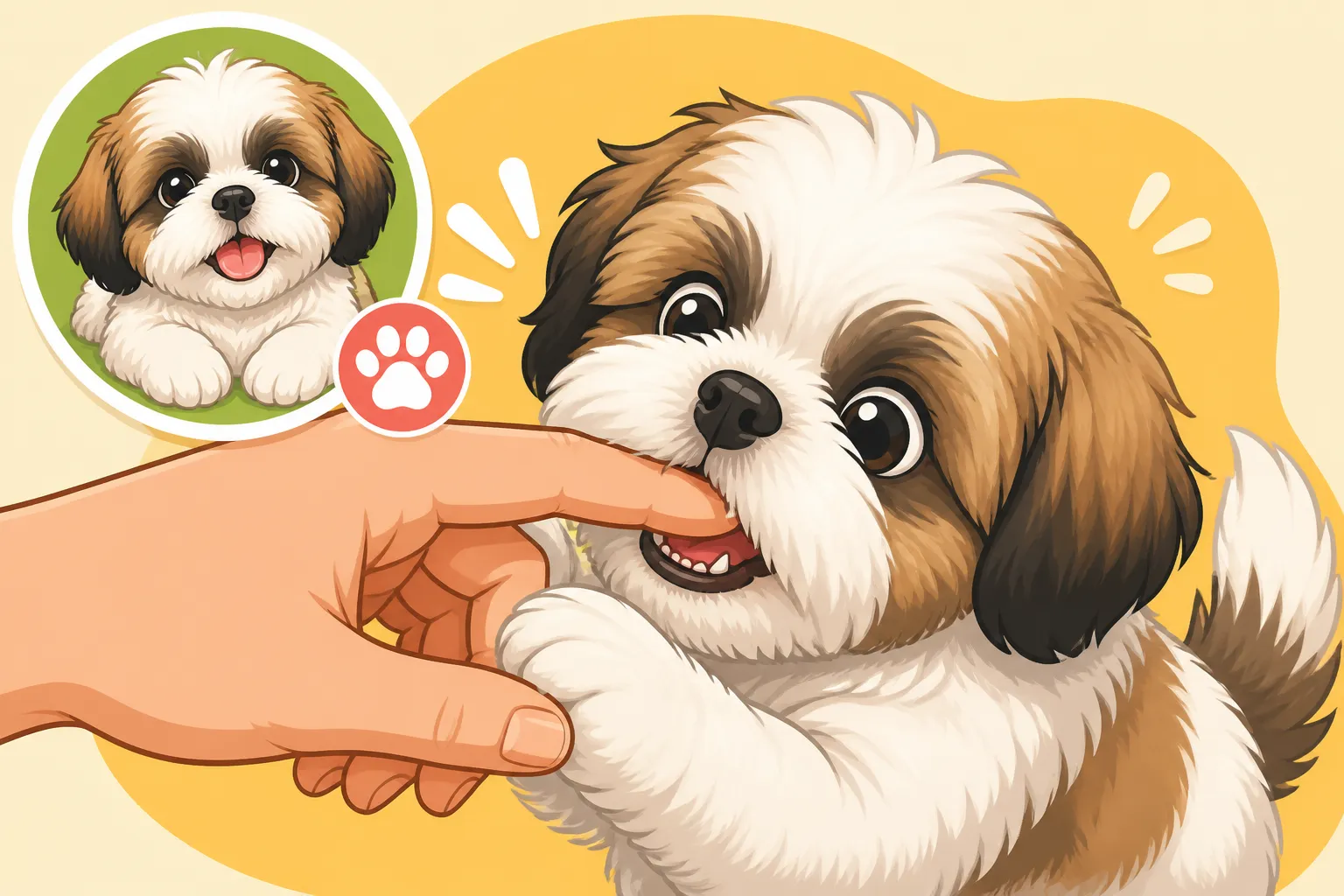
Oh, the joy of bringing home a tiny Shih Tzu puppy! Those fluffy little bundles of love quickly charm their way into our hearts. But then, it starts: the sharp, incessant nipping at your fingers, your toes, your shoelaces, anything that moves. It’s a completely normal puppy behavior, but when those needle-sharp puppy teeth connect, it can be frustrating, painful, and leave you wondering if your sweet companion is ever going to learn to be gentle. This guide is here to walk you through exactly why your Shih Tzu puppy nips and, more importantly, how to kindly and effectively teach them better manners.
Understanding Why Shih Tzu Puppies Nip and Mouth
When your precious Shih Tzu puppy starts to nip and mouth, it’s not because they’re trying to be naughty or aggressive. It’s actually a perfectly natural and essential part of their development. Understanding the "why" behind this behavior is the first step in addressing it with patience and the right training methods. These little fluffballs are born with an innate drive to explore the world with their mouths, and those tiny teeth are their primary tools.
Exploring the World with Their Mouths
Imagine a human baby. What do they do with almost everything new they encounter? They put it in their mouths, right? Puppies are no different. Their paws aren’t dexterous enough to manipulate objects with the precision of hands, so their mouths become their sensory organs, their learning tools, and their way of interacting with their environment. Everything is sniffed, licked, and, yes, nipped. Your fingers, your clothes, the edges of furniture – it’s all fair game for exploration.
This oral exploration helps them understand textures, temperatures, and shapes. They’re simply trying to figure out what things are and what they can do with them. When they nip at you, they're often just extending this natural exploratory behavior to the most interesting moving objects in their world: you! They don't yet understand that human skin is delicate and that their sharp little teeth cause pain. It's not malicious; it's simply instinctual investigation. They're gathering information, and it's our job to gently guide them on what's appropriate to mouth and what isn't.
The Stages of Puppy Teething and Its Role in Nipping
Just like human babies, Shih Tzu puppies go through a teething process, and it can be quite uncomfortable for them. This is a major driver behind their nipping and mouthing. Puppies are typically born without teeth, but their tiny milk teeth, also known as deciduous teeth, start to erupt around 3 to 6 weeks of age. By the time you bring your Shih Tzu puppy home, usually around 8 weeks, they'll have a full set of these little razors.
These milk teeth are shed between 12 weeks and 6 months of age, making way for their permanent adult teeth. During both the eruption of milk teeth and the shedding of milk teeth for adult teeth, your puppy's gums will be sore, itchy, and sometimes inflamed. Nipping and chewing on anything they can get their mouths on is their way of relieving this discomfort. It provides pressure and massage to their aching gums. Without appropriate chew toys, your fingers, clothing, and even furniture will become their go-to teething aids. Providing a variety of appropriate chews during this period is absolutely crucial. You can find many excellent puppy-safe teething toys on platforms like Amazon that can offer immense relief to your pup and your fingers!
Learning Bite Inhibition from Littermates
One of the most important things a puppy learns during its early weeks with its littermates and mother is bite inhibition. This is the understanding of how much pressure they can apply with their jaws before causing pain. When puppies play with each other, they wrestle and mouth. If one puppy nips too hard, the other puppy will yelp loudly and often stop playing. This teaches the nipper that "ouch, that hurt! If I do that, the fun stops." Over time, they learn to control the force of their bites.
However, many Shih Tzu puppies come to new homes quite young or might not have had enough time learning these crucial lessons from their littermates. It then becomes our responsibility to continue this education. We need to teach them that human skin is fragile, much more so than a sibling's fur-covered body. Our reactions, when they nip too hard, need to mimic the feedback they would have received from their littermates: a clear, consistent signal that the bite was too hard and that the interaction will cease. This is a critical foundation for raising a dog that is gentle with its mouth throughout its life, regardless of its size or breed.
Effective Strategies to Curb Puppy Nipping
Now that we understand why your Shih Tzu puppy is nipping, let's talk about what you can actually do about it. This isn't about punishing them, but rather about consistent, clear communication and redirection to teach them acceptable behaviors. Remember, patience is your biggest tool here.
Redirection with Appropriate Chew Toys
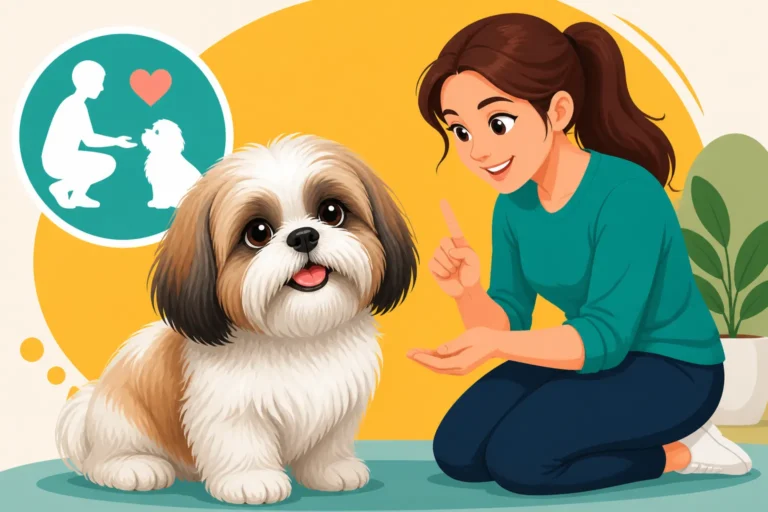
The first and often most effective strategy is redirection. Since your puppy has a natural urge to chew and mouth, we need to provide them with acceptable outlets for this behavior. Always have a variety of engaging chew toys readily available. When your Shih Tzu puppy starts to nip at your fingers or clothing, immediately and calmly redirect their attention to a suitable chew toy.
For example, if they lunge for your hand, say "nope" or "toy," and then gently place a designated puppy chew in their mouth or present it for them to take. Praise them enthusiastically as soon as they start chewing on the toy. Rotate your toys regularly to keep them novel and exciting. Some great options include rubber chew toys that can be stuffed with treats, softer teething toys specifically designed for puppies, or even rope toys for a gentle tug session. Frozen carrots or specialized puppy teething rings can also offer relief for sore gums. Making these appropriate chew items more appealing than your hand is key. Think of it like a game: "Oh, you want to chew? Here’s something even better to chew on!" For ideas and availability, checking out the puppy toy section on Amazon can give you a wide range of options to experiment with.
Teaching Bite Inhibition: The "Ouch!" Method
This method directly mirrors how puppies learn from their littermates. When your Shih Tzu puppy nips too hard, you need to provide an immediate and clear signal that they’ve caused pain.
Here's how it works:
- Exaggerated "Ouch!": The instant your puppy's teeth connect with your skin with too much pressure, let out a high-pitched "Ouch!" or "Yelp!" – much like a puppy would. Make it sudden and clear, but don’t shout angrily. The goal is to startle them, not scare them.
- Withdraw Attention: Immediately after the "Ouch!", withdraw all attention. Pull your hand away, turn your back, or even leave the room for 10-20 seconds. This teaches them that hard bites make the fun stop. No more play, no more petting, no more interaction.
- Resume Calmly: After the brief timeout, return and calmly re-engage. If they nip hard again, repeat the process. If they mouth gently, praise them softly and continue playing.
The key is consistency. Everyone in the household needs to use this method every single time the puppy nips too hard. Puppies have soft mouths, and the goal isn't to stop them from ever touching you with their teeth, but to teach them to do so gently. Over time, as their bite inhibition improves, you can start using the "Ouch!" for progressively softer nips, until any pressure from their teeth on your skin results in the game ending. It teaches them about canine communication and the social consequences of their actions.
Managing Play and Preventing Over-Stimulation
Shih Tzu puppies, despite their small size, can get quite excited during play. Over-stimulation often leads to increased nipping and mouthiness. Learning to read your puppy’s body language is crucial here. If you notice their eyes getting wide, their movements becoming frantic, or their nips getting harder and faster, it's time to calm things down.
Structured play sessions can be very beneficial. Instead of allowing roughhousing with hands, use a toy on a stick or a long rope toy to create a barrier between your hands and their teeth. This allows them to still engage in chasing and tugging games without physically contacting your skin. Keep play sessions relatively short, perhaps 5-10 minutes, especially for young puppies, and then transition to a calm activity like a chew toy or a short training exercise. This helps them learn to regulate their excitement levels. If a play session becomes too intense, a brief "time out" (like stepping away or putting them in their playpen for a minute) can help them reset. Keeping Shih Tzu Training Sessions Short also applies here, as their attention spans are quite limited.
Consistency Across the Household
This is probably the most critical, yet often overlooked, aspect of training. Every single person who interacts with the puppy must respond to nipping in the exact same way. If one person allows the puppy to mouth their hands, while another uses the "Ouch!" method, the puppy will get confusing signals. They won't understand what the rules are, and the behavior will be much harder to extinguish.
Hold a family meeting and decide on a consistent approach. Whether it's the "Ouch!" and timeout method, immediate redirection, or a combination, everyone needs to be on the same page. Children, in particular, need careful supervision and instruction on how to interact with the puppy without encouraging nipping. Teach them to offer toys, not hands, and to withdraw attention if the puppy gets too mouthy. Remember, you're not just training the puppy; you're also training the humans in their life to communicate clearly and consistently. For more in-depth guidance on structured training, resources like BAXTER & Bella often provide comprehensive online programs that can help families establish this consistency.
What Not to Do When Your Shih Tzu Puppy Nips
Just as important as knowing what to do is understanding what not to do. Some common reactions, while understandable, can actually worsen the nipping behavior or damage your relationship with your puppy.
Avoiding Punishment and Force
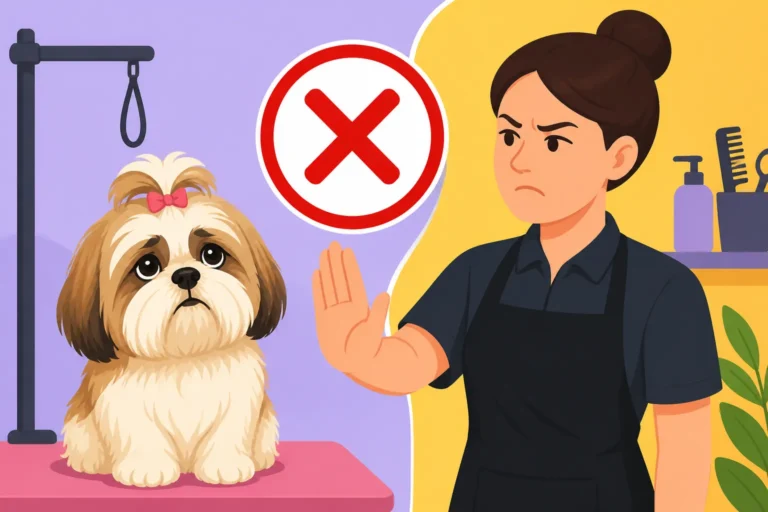
It might be tempting to respond to a sharp nip with a sharp reprimand, a tap on the nose, or by holding your puppy’s mouth shut. However, these methods are counterproductive and can be harmful, especially for a sensitive breed like the Shih Tzu. Physical punishment or scolding can make your puppy fearful of your hands, leading to hand shyness. Instead of teaching them to be gentle, it teaches them to avoid you or, worse, to associate hands with negative experiences. This can escalate to defensive biting in the future.
Shih Tzus thrive on positive reinforcement and gentle guidance. Why Harsh Corrections Shut a Shih Tzu Down is something we constantly emphasize. They are bred to be companions, and a strong, trusting bond is essential. Forceful methods erode that trust and can lead to anxiety, fear, and even aggression in some dogs. Your goal is to teach, not to intimidate. Focus on rewarding the behaviors you want to see (like gentle mouthing on a toy) rather than punishing the behaviors you don't.
Never Waving Fingers or Playing Rough with Hands
This might seem obvious, but it's a very common mistake. Waving your fingers in front of your puppy’s face, teasing them with your hands, or engaging in "play fighting" with your bare hands, even if you think it's gentle, is essentially teaching your puppy that hands are toys. You are directly encouraging the very behavior you want to stop.
Puppies learn through association. If your hands are consistently used as playthings, they won't understand why sometimes it's okay and other times it's not. This creates confusion and inconsistency. Always use appropriate toys for play. If you want to engage in tug-of-war, grab a sturdy rope toy. If you want to wrestle, use a plush toy between you and your puppy. Keep your hands out of the "play zone" as much as possible, especially during those early, mouthy months. This clear boundary helps your Shih Tzu understand that hands are for petting and gentle interaction, not for chewing.
Advanced Techniques and When to Seek Professional Help
Even with consistent effort, some puppies might need a little extra guidance. Knowing when to escalate your training or seek professional help is part of being a responsible pet parent.
Incorporating Impulse Control Exercises
Beyond simply redirecting, teaching your Shih Tzu puppy impulse control can be incredibly beneficial for reducing nipping and improving overall manners. This involves exercises that teach them to wait for what they want, rather than grabbing it immediately.
One classic example is "Leave It." Start by holding a treat in your closed fist. Your puppy will likely try to nip or lick at your hand. Wait patiently. The moment they pull their head back or look away from your hand, even for a second, open your hand, say "Yes!" or use a Clicker Work With a Shih Tzu Puppy marker, and give them the treat. Gradually progress to placing the treat on the floor and increasing the duration they have to "leave it" before being rewarded. This teaches them that calm waiting, not frantic nipping, gets them what they desire.
Another excellent exercise is "Gentle." Hold a treat in your open palm. If your puppy rushes in and nips at your hand, close your hand. Wait until they approach softly, perhaps taking the treat with just their lips or a very soft mouth. As soon as they do, say "Gentle!" and let them have the treat. This helps them understand how to take things delicately from your hand. These exercises help your puppy develop self-control, which translates into less impulsive nipping.
Managing Nipping During Petting and Handling
Many Shih Tzu puppies tend to nip when being petted or handled, particularly if they get overexcited or are trying to tell you they don't like something. This is a crucial area to address, as Shih Tzus require a lot of grooming and handling throughout their lives.
To address nipping during petting:
- Short, Positive Sessions: Start with very brief petting sessions in calm moments. Pet them gently in areas they enjoy (often under the chin or chest) for just a few seconds.
- Recognize Over-Stimulation: If they start to get mouthy or squirmy, stop petting before they nip. This teaches them that calm interaction continues, but over-excitement stops it.
- Redirect and Reward: If a nip does occur, use the "Ouch!" method. Once they are calm, redirect to a toy and reward gentle interaction.
- Positive Association: Regularly pair gentle handling (like touching their paws, ears, or mouth briefly) with high-value treats. This builds a positive association with being touched in these sensitive areas, making future grooming and vet visits much easier.
Remember, the goal is to teach them that human hands are wonderful for affection and treats, not for chewing. This is also covered in Teaching a Shih Tzu Puppy to Lie on Its Side for grooming training.
When a Professional Trainer Can Help
While many nipping issues can be resolved with consistent at-home training, there are times when seeking professional help is the best course of action. If your Shih Tzu puppy’s nipping seems unusually aggressive (drawing blood consistently, lunging with intent), if the "Ouch!" method isn't working after several weeks of consistent effort, or if you feel overwhelmed and unsure how to proceed, don’t hesitate to contact a certified professional dog trainer or a veterinary behaviorist.
They can assess your puppy's individual temperament, observe your interactions, and provide tailored advice and hands-on guidance. Sometimes, an experienced eye can spot subtle cues or training gaps that you might miss. They can help you refine your techniques and ensure you're on the right path. Online training platforms, such as BAXTER & Bella, also offer virtual consultations and structured courses that can be incredibly helpful for puppy nipping and other early behavior challenges, providing expert support from the comfort of your home. They can also offer specific advice on topics like A Shih Tzu Puppy Mouthing at Hands and how to move past it.
Conclusion
Living with a Shih Tzu puppy who nips can definitely test your patience, but it's a hurdle that every new puppy owner faces to some degree. Remember that your puppy isn't being malicious; they are simply acting on instinct and exploring their world the only way they know how. By understanding the reasons behind their nipping – whether it's exploration, teething discomfort, or a lack of bite inhibition – you can approach the situation with empathy and effective training strategies.
The journey from a nippy little land shark to a gentle, well-mannered companion is a process built on consistency, clear communication, and positive reinforcement. Redirecting to appropriate chew toys, teaching bite inhibition with the "Ouch!" method, managing play, and ensuring everyone in your household is on the same page are your most powerful tools. With time, patience, and the right approach, your adorable Shih Tzu puppy will learn to interact gently with those they love, bringing you years of joy and affection without the painful nips.
Disclaimer
This article is for general informational purposes only and does not constitute professional advice. Laws, prices and regulations vary by location and change over time. Consult a qualified professional for guidance on your specific situation.