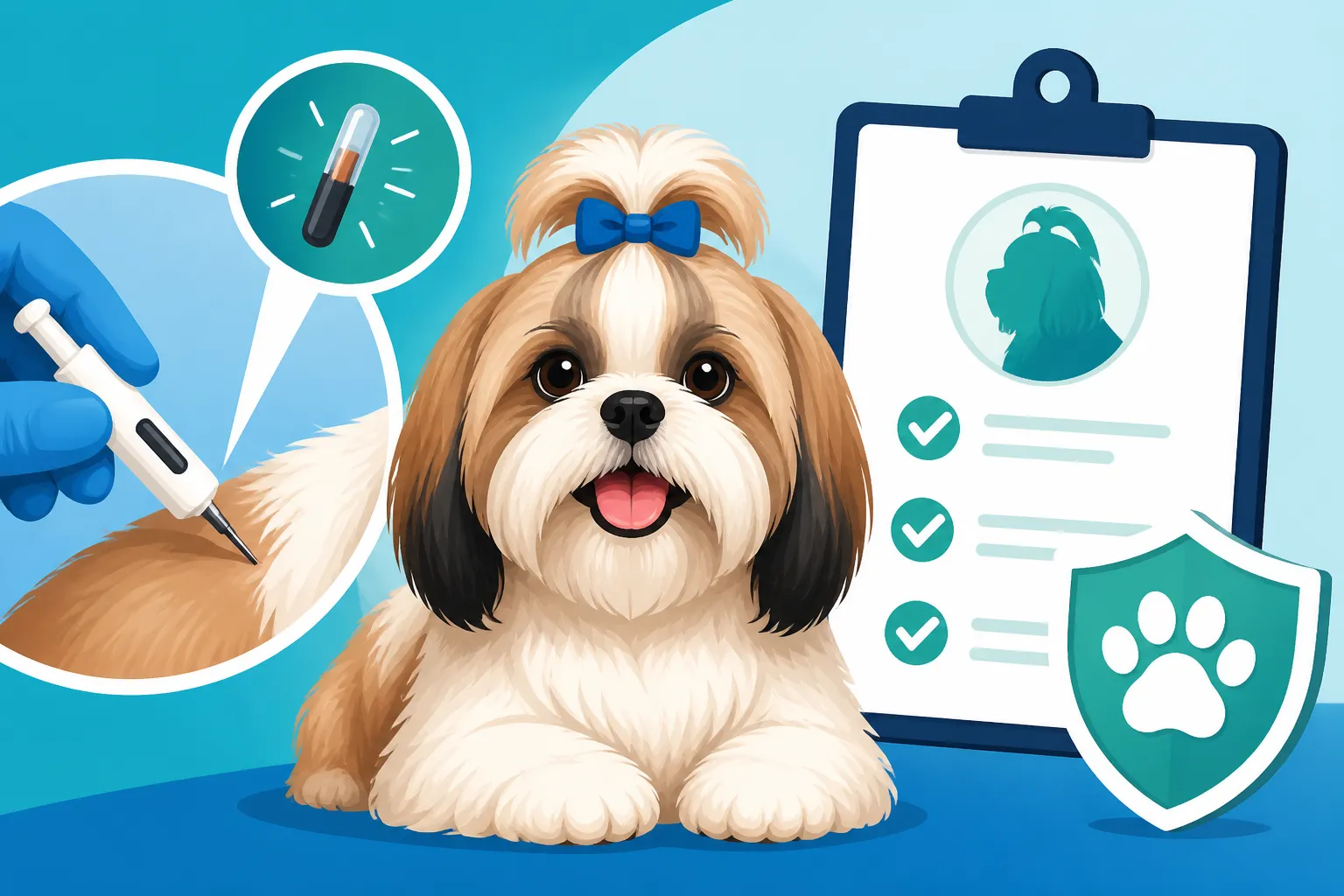
Chipping a Shih Tzu and Registering It Properly
It’s a heart-stopping moment no Shih Tzu parent ever wants to experience: you turn your back for a second, a gate is left ajar, or a loud noise spooks your little one, and suddenly, they're gone. The thought alone is enough to send a shiver down your spine. For such a small, delicate breed, getting lost can be incredibly dangerous. This guide is all about giving you peace of mind by explaining everything you need to know about microchipping your beloved Shih Tzu and making sure that vital information is properly registered, maximizing the chances of a happy reunion should the unthinkable ever happen.
The Absolute Necessity of Chipping Your Shih Tzu
Let's be real, a Shih Tzu is a small dog, and that can be both a blessing and a curse. While their compact size makes them perfect lap companions and apartment dwellers, it also means they can slip through surprisingly small gaps, dart out a door unnoticed, or even be inadvertently picked up by someone who thinks they're a stray. Losing any pet is devastating, but for a tiny Shih Tzu, the dangers of being out in the world alone are amplified. They're not equipped to fend for themselves, they can get injured easily, and the elements can be incredibly harsh on their small bodies. This is precisely why microchipping isn't just a good idea; it's an absolute necessity.
Think of it as your Shih Tzu's silent, permanent ID. Unlike a collar that can fall off or tags that can become unreadable, a microchip stays with them for life. It's that little glimmer of hope when everything else feels lost. When you're frantically searching, putting up posters, and calling every shelter, knowing your Shih Tzu has a microchip means that if they end up at a vet or a rescue, there's a definitive way to connect them back to you. The procedure itself is quick, relatively painless, and offers a lifetime of security that is truly invaluable for pet parents.
What is a Microchip, Really?
Okay, let's demystify the microchip. When we talk about microchipping your Shih Tzu, we're not talking about some sci-fi device with GPS tracking. It's much simpler, but no less effective. A pet microchip is a tiny, rice-grain-sized transponder that's implanted just under your dog's skin, typically between their shoulder blades. This little device contains a unique identification number. That's it. It doesn't have a battery, it doesn't emit any signals on its own, and it certainly doesn't track your dog's location.
The implantation process is very similar to a routine vaccine injection. Your vet uses a special needle to insert the chip, and while your Shih Tzu might give a tiny yelp, most dogs handle it with barely a flinch. Once it's in, it generally stays put for their entire life. When a scanner is passed over the chip, it emits a low-frequency radio wave that activates the chip, allowing the scanner to read that unique ID number. It's a completely passive device, meaning it only "wakes up" and transmits its number when it interacts with a scanner. This makes it incredibly durable and reliable. Many vets perform this procedure during a routine visit, or even when your Shih Tzu puppy gets its "The Puppy Check a Shih Tzu Needs at Eight Weeks".
Why a Collar and Tags Aren't Enough for a Shih Tzu
I've heard countless stories, and maybe you have too, of a dog that was always so good on its leash, or never tried to bolt, until one day, something happened. A sudden loud bang, a startling new smell, or even just an open gate that looked too inviting. For a small dog like a Shih Tzu, even the most secure collar can sometimes fail. They can slip out of ill-fitting collars, or the collar itself can snag and break off, leaving them with no external identification whatsoever. And let's not forget the sheer ingenuity some dogs have for wriggling out of seemingly escape-proof harnesses.
Imagine a scenario: your Shih Tzu is startled by a sudden clap of thunder or a backfiring car. In their panic, they might bolt, not caring about the direction, simply running from the fear. If their collar or harness slips off in the chase, they're left with no way for anyone to know who they are or where they belong. The microchip is the permanent backup. It's always there, providing that irrefutable link to you, their owner. While a visible tag is crucial for immediate identification by a good Samaritan, the microchip is the ultimate safety net for those situations where visual IDs are lost. You should still ensure your Shih Tzu has a properly fitted harness for walks; you can read more about "Shih Tzu Leash Manners on a Harness" to find the right one.
Understanding the Microchip Registration Process
Okay, so your Shih Tzu has been chipped! That's a huge step, and you should feel good about it. But here’s the crucial part, the detail that many well-meaning pet parents sometimes overlook or misunderstand: the microchip itself is just a piece of technology. It’s like having a driver's license number etched into your arm, but if that number isn’t linked to your name and contact information in a government database, it’s not going to help identify you. The same goes for your Shih Tzu’s microchip. The chip’s unique ID number must be registered with a national pet recovery database, and that registration needs to be kept current. This is where the magic of reunion truly happens. Without proper registration, that tiny, implanted chip is effectively useless.
Many people assume that once the chip is inserted, their vet or the shelter automatically registers it to them. Sometimes they do, but often, the initial registration is merely a placeholder or is under the name of the breeder or rescue organization. It is your responsibility as the pet parent to confirm this registration and ensure all your current contact details are correctly associated with that unique chip number. It’s not a complicated process, but it is an absolutely vital one that ensures your Shih Tzu’s chip can do its job.
Registering Your Shih Tzu's Chip: Step-by-Step
Let's walk through this, because it really is simpler than it sounds. First, you need to know which company manufactured your Shih Tzu's microchip. Common brands include AVID, HomeAgain, and PetLink, but there are others. If you’re unsure, your vet can scan your dog and tell you the manufacturer. This information is usually crucial because you'll want to register with that specific company's registry or a universal registry that links to multiple manufacturers.
Once you know the company, you'll visit their website or call their customer service. You'll then enter your Shih Tzu's unique microchip ID number and, most importantly, provide all your contact information: your name, current address, phone numbers (cell, work, home), and email address. Some registries offer different tiers of service, from basic one-time registration to annual subscriptions that include additional lost pet recovery services or alerts. Don't balk at a small fee for peace of mind; it’s a tiny investment for a lifetime of security.
Here's a common scenario: you bring home a precious Shih Tzu puppy from a reputable breeder. They might have microchipped the puppy and initially registered it under their own details to ensure if the puppy ever got lost before it went to its new home, it could be traced back to them. When you take ownership, you'll need to transfer that registration into your name. The breeder should provide you with the microchip number and instructions on how to complete the transfer. Do this immediately! Don't put it off. You can also often register your pet with universal services that link to different chip manufacturers, ensuring broader coverage. Brands like Healthy Paws, for instance, often champion microchipping as a core component of responsible pet ownership, understanding its role in a pet's overall well-being.
Keeping Your Shih Tzu's Microchip Information Current
Having a registered microchip is wonderful, but it's only as good as the information it holds. This is where many of us, myself included, can sometimes fall short. Life happens! We move to a new house, change our phone numbers, switch email providers, or even take our Shih Tzu on a long trip. Each of these changes, no matter how small, can render your microchip information obsolete if you don't update the registry.
Imagine the horror: your Shih Tzu goes missing, they're found and scanned, and the shelter calls your old number or sends an email to an address you no longer use. The reunion could be delayed indefinitely, or worse, never happen. This common mistake is incredibly heartbreaking for everyone involved. My personal rule of thumb is to check my pet’s microchip registration at least once a year, usually around the time of their annual vet check-up or when I'm reviewing other pet-related subscriptions. Make it a habit.
If you move, get a new phone, or change your email, put "Update Shih Tzu Microchip Info" at the top of your to-do list. Log into your microchip registry account or call their customer service line. It usually takes just a few minutes, but those few minutes are absolutely critical. Don't be that person whose lost pet can't be returned because of outdated information. It's a simple act that has profound implications for the safety and well-being of your little companion.
What Happens When a Chipped Shih Tzu is Found
The moment a lost Shih Tzu is found can be incredibly stressful for the finder, and potentially for the dog, especially if they’re scared or disoriented. But if that little dog is microchipped, a chain of events is set in motion that greatly increases the likelihood of a happy reunion. When a Good Samaritan finds a stray, the first thing they often do is take them to a local animal shelter, a vet clinic, or even a pet store that offers scanning services. These places are usually equipped to read microchips, and that’s where your Shih Tzu's journey home really begins.
The process is designed to be efficient, but it relies entirely on your registration being accurate and current. Think of all the dedicated professionals and volunteers working tirelessly at shelters and vet offices – they’re all pulling for that reunion. They scan, they call, they wait, hoping to hear back from a relieved owner. It’s a testament to the power of a tiny chip and the robust system of pet recovery.
The Scanning and Identification Process
When a lost Shih Tzu arrives at a vet’s office or animal shelter, one of the first things they’ll do is perform a microchip scan. It's a simple handheld device that waves over the dog's shoulder blades. If a chip is present, it will emit a beep and display the unique alphanumeric ID on the scanner's screen. This number doesn't reveal any personal information; it's simply the dog's serial number, so to speak.
Once they have this number, the next step is to contact a national pet recovery database. There are several major databases, and most scanners are universal, meaning they can read chips from different manufacturers. The staff will input the microchip number into their system, which then tells them which microchip company the chip is registered with (e.g., HomeAgain, AVID, PetLink). They then contact that specific microchip company to get the owner's information. This is why it’s so critical that your details are up-to-date with the chip’s associated registry. Without accurate information, the chip is just a number. It's an important part of why you should also ensure your Shih Tzu has had "The Eye and Kidney Records to Keep on a Shih Tzu" from birth if possible, as these health records can sometimes be tied to the microchip ID for seamless medical history tracking.
Reaching Out to the Registered Owner
Once the microchip registry receives the inquiry from the shelter or vet, their role is to act as the vital link between the found pet and their owner. The registry staff will access their database using the unique microchip number and retrieve the contact information you provided. This is where those multiple phone numbers and email addresses you hopefully supplied become critical. They will typically attempt to reach you by phone, often leaving voicemails if there's no answer, and may also send emails. Some registries even have emergency contacts listed, so if they can't reach you directly, they can try a friend or family member.
The urgency here is paramount. Shelters are often full, and while they will care for your Shih Tzu, they want to reunite them with you as quickly as possible. This is why responding promptly to any missed calls or emails from unknown numbers is so important if your dog is missing. It’s also worth noting that pet insurance providers, like Healthy Paws, often stress the importance of microchipping because it streamlines the process of getting a pet back to safety, potentially reducing extended shelter stays and associated stress or health issues that could lead to claims. Always be sure to mention your Shih Tzu's microchip number to your pet insurance provider as well, as it helps create a comprehensive record.
Additional Safeguards Beyond the Chip
While microchipping is a non-negotiable cornerstone of pet safety, it’s not the only thing you should be doing. Think of it as a crucial layer in a multi-layered security plan for your precious Shih Tzu. Relying solely on a microchip is like having a lock on your door but leaving the windows wide open. For a small, curious, and sometimes surprisingly fast dog like a Shih Tzu, a comprehensive approach to safety is always best. These additional safeguards can prevent them from getting lost in the first place or provide immediate identification if they do wander off, making the microchip truly the ultimate backup.
Visible Identification: Collars, Tags, and Harnesses
Even with a microchip, visible identification remains incredibly important. If your Shih Tzu gets out, a Good Samaritan can immediately see a collar with an ID tag and call you directly, bypassing the need for a scanner and a registry lookup. This can significantly speed up a reunion, especially if your dog is found by someone who doesn't immediately think to take them to a vet or shelter.
Ensure your Shih Tzu always wears a sturdy, well-fitting collar with up-to-date tags. Include your phone number and perhaps your address (or at least your city and state). You can even add a line like "Microchipped" to encourage scanning. For daily walks, a well-fitted harness is often preferable to a collar for a Shih Tzu, as it distributes pressure more evenly and reduces the risk of neck injury, especially considering their brachycephalic airway. Make sure the harness is snug enough that they can't back out of it. You can find many options for durable, comfortable harnesses at pet supply stores like Chewy, which can also provide customized ID tags. Regularly check that the tags are legible and securely attached. For a deep dive into harness options, you might want to read "Fitting a Harness Around Shih Tzu Coat".
Proactive Measures and Training
Beyond physical identification, proactive measures and training are your best defense against a lost Shih Tzu. A secure home environment is paramount. Double-check all gates and fences regularly for any weaknesses or gaps your tiny Shih Tzu could exploit. Be mindful of open doors and windows. Many Shih Tzus are notorious for their quick dashes when an opportunity arises!
Training is another powerful tool. A strong recall command, where your Shih Tzu comes when called, is invaluable, even if they're always on a leash outdoors. Practice "Shih Tzu Recall Training Indoors and Out" in a safe, enclosed area. Teach them a solid "stay" or "wait" command, especially at doorways, to prevent accidental escapes. Socialization, too, plays a role: a well-socialized Shih Tzu is less likely to panic and bolt if they find themselves in an unfamiliar or noisy situation. You might start this from a young age with "Shih Tzu Puppy Training Month by Month".
Consider a small, lightweight GPS tracker that attaches to their collar as an additional layer of protection, particularly if your Shih Tzu is known for being an escape artist or if you live in an area with a lot of open space. While these are separate from microchips and often require subscriptions, they can provide real-time location tracking. The combination of secure containment, consistent training, visible ID, and a registered microchip creates the strongest possible safety net for your beloved Shih Tzu.
Here's a quick overview of microchip registration steps and their importance:
| Step | Action | Importance |
|---|---|---|
| Microchip Implantation | Have a vet implant the rice-sized chip between your Shih Tzu's shoulder blades. | Provides a permanent, unalterable ID number for your pet. |
| Identify Chip Manufacturer | Ask your vet or check paperwork for the microchip brand (e.g., HomeAgain, AVID, PetLink). | Essential for knowing which database to register with initially. |
| Initial Registration | Register the chip's unique ID number with the manufacturer's database or a universal registry. | Links the chip ID to your contact information, making it traceable to you. |
| Provide All Contact Info | Include multiple phone numbers (cell, home, work), email, and current address. | Maximizes the chances of being contacted if your Shih Tzu is found. |
| List Emergency Contacts | Add trusted friends or family members as alternate contacts. | Provides backup contacts if you're unreachable. |
| Transfer Ownership (if applicable) | If adopting or buying from a breeder, ensure the chip is transferred from their name to yours. | Legally assigns you as the primary contact for the microchip. |
| Verify & Update Regularly | Log in or call the registry annually, or immediately after any contact information change. | Ensures current information is available for a swift reunion. This is the most critical ongoing step. |
Disclaimer
This article is for general informational purposes only and does not constitute professional advice. Laws, prices and regulations vary by location and change over time. Consult a qualified professional for guidance on your specific situation.