Whether Ear Hair Causes Shih Tzu Infections
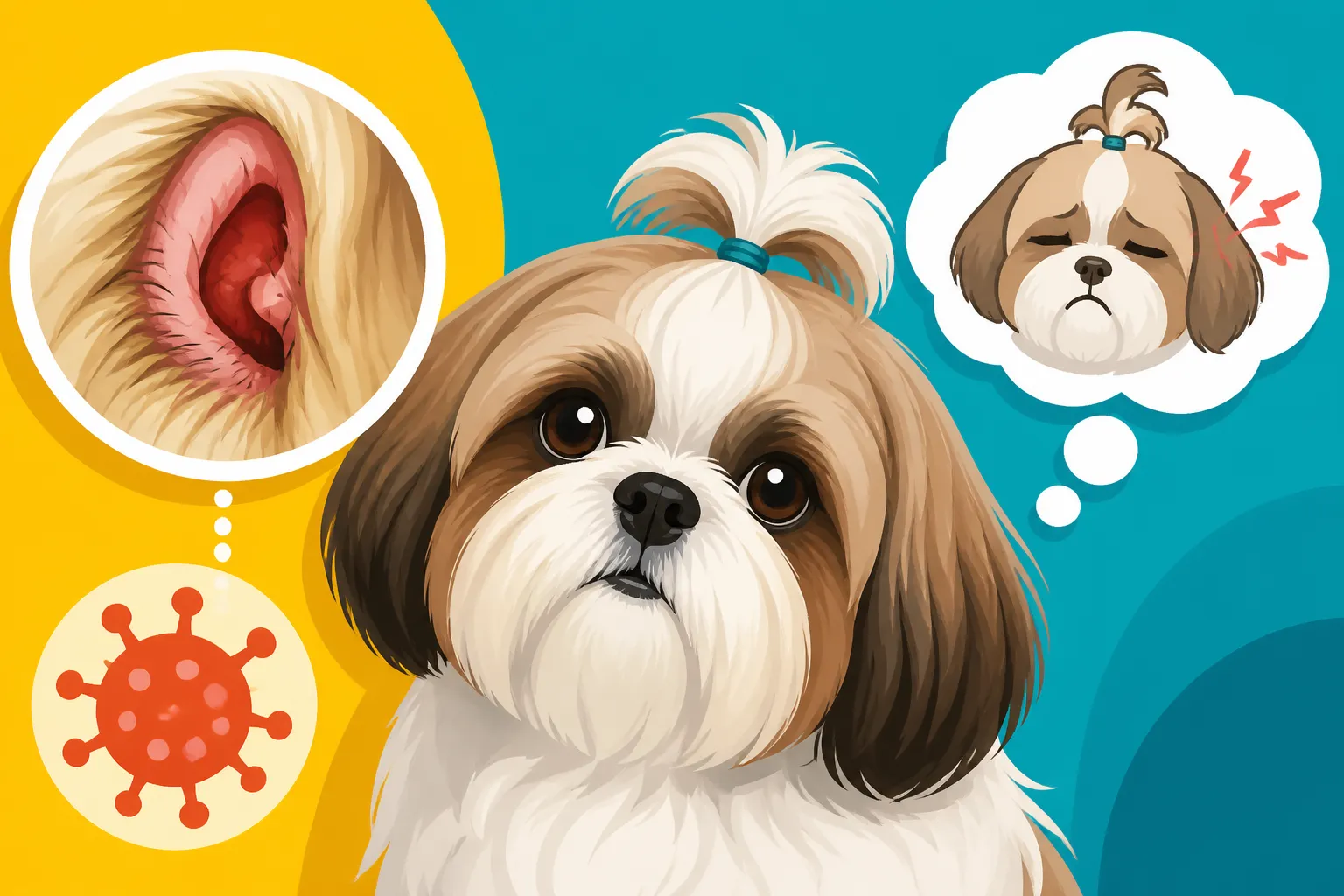
It's a question many Shih Tzu parents find themselves wrestling with: does all that lovely ear hair, often hidden under those long, floppy ear leathers, actually cause ear infections? You're not alone in wondering, especially when your sweet pup is scratching furiously or shaking their head, and you peek into those furry depths. This guide is all about diving deep into the complexities of Shih Tzu ear health, exploring the role ear hair plays, and what you can genuinely do to keep those ears happy and healthy.
Understanding the Shih Tzu Ear Environment
Let's be real, a Shih Tzu's ears are absolutely adorable with their long, flowing hair, often blending seamlessly with their luxurious double coat. But what makes them so endearing also creates a unique challenge when it comes to ear health. It’s not just about the hair; it’s the whole package of their ear anatomy and coat type working together.
The Double Coat's Role in Ear Health
Your Shih Tzu's signature double coat, while beautiful, is a marvel of trapping warmth and moisture. This is fantastic for their origins in cold Tibetan climates, but less ideal for the warm, moist environment of an ear canal. The outer layer of longer guard hairs and the dense, woolly undercoat extend right into and around their ear openings. This thick curtain of hair acts like a natural blanket, reducing air circulation significantly. Imagine trying to air out a damp towel under a heavy duvet – it’s just not going to happen efficiently. This lack of airflow creates a prime breeding ground for bacteria and yeast, which absolutely thrive in dark, warm, and humid conditions. When you combine this with the natural debris and wax that ears produce, you can see how quickly things can go south. It’s a delicate balance trying to maintain that beautiful coat while also ensuring proper hygiene and ventilation.
The Impact of Droopy Ears
Unlike breeds with perky, upright ears, Shih Tzus have long, heavy ear leathers that hang down. These magnificent, often heavily feathered ears, while contributing to their regal appearance, seal off the ear canal from the outside world even further. Think of it as a double-whammy: you have dense hair inside the ear, and then a heavy flap over the ear. This natural curtain reduces airflow to almost nil, essentially creating a perfect little incubator. The constant warmth and humidity under these floppy ears mean any moisture that gets in from a bath, a drink of water, or even just humidity in the air, tends to stay trapped. This trapped moisture, combined with the lack of ventilation, significantly increases the risk of bacteria and yeast overgrowth, leading to those frustrating and often painful ear infections that many Shih Tzu owners know all too well. This is a common factor in why we often see recurring issues like Shih Tzu Ear Infections That Keep Returning.
Anatomy of the Shih Tzu Ear Canal
When you look at a diagram of a dog's ear canal, it’s quite different from a human's. Ours is relatively straight; theirs takes a sharp turn. Picture an "L" shape. The Shih Tzu's ear canal starts vertically, then makes a distinct horizontal bend before reaching the eardrum. This design, while offering some protection, is also fantastic at trapping debris, wax, and moisture right at that bend. Now, add hair. Not just on the outer part of the ear, but often growing deep within the vertical and even horizontal sections of the canal. This hair acts like a microscopic net, catching every tiny bit of stray dirt, dead skin cells, and excess wax, preventing it from naturally working its way out. This accumulated material provides even more food for opportunistic bacteria and yeast. When these things build up, they create blockages that not only contribute to infection but can also make it incredibly difficult for ear cleaning solutions or medications to reach the affected areas deep within the ear. It’s a design that requires proactive and diligent management to prevent problems.
The Link Between Ear Hair and Infections: Fact vs. Fiction
It’s easy to point a finger at the ear hair and say, "That's the culprit!" And while it's definitely a major contributing factor, the reality is a bit more nuanced. The hair itself doesn't cause the infection directly, but it creates an environment where infections are much more likely to flourish.
How Excess Hair Can Contribute to Problems
The dense hair inside a Shih Tzu's ear canal acts in several detrimental ways. Firstly, as we've discussed, it severely impedes airflow, creating that ideal warm, moist, dark environment for yeast and bacteria. Secondly, this hair acts as a literal barrier to natural ear self-cleaning. Ears are designed to push wax and debris outwards, but excessive hair traps everything, forming mats deep inside the canal. These mats not only hold moisture and debris but can also become irritating, causing your Shih Tzu to scratch, which can lead to micro-abrasions and further inflammation. Think of it like a clogged drain; nothing can get out, and everything just backs up. This accumulation also makes it incredibly difficult for you to see what’s going on inside your dog's ear, making early detection of issues a challenge. You might not realize there's a problem until it's already quite advanced, with a strong odor or persistent scratching, which often signals a full-blown Yeast Infections in a Shih Tzu Ear.
Beyond Hair: Other Common Causes of Ear Infections
While ear hair certainly plays a significant role, it's crucial to understand that ear infections are rarely caused by just one factor. Often, it's a perfect storm of conditions. Allergies are a massive contributor. Just like humans, Shih Tzus can suffer from environmental allergies (pollen, dust mites) or food allergies, and one of the most common ways these allergies manifest is through skin and ear inflammation. When the ear canal becomes inflamed, it swells, trapping even more moisture and creating an environment ripe for infection, even if the hair is meticulously maintained.
Foreign bodies, though less common, can also cause problems. A tiny grass seed or a piece of plant material can work its way deep into the ear canal, causing irritation and infection. Endocrine disorders, like hypothyroidism, can also make a dog more susceptible to skin and ear issues due to changes in skin and coat health. Excessive moisture from swimming or bathing that isn't properly dried can also initiate an infection. And sometimes, it's simply the dog's individual ear anatomy or excessive wax production that tips the scales. For some dogs, a trip to the vet for Shih Tzu Allergy Testing and Treatment Costs can reveal underlying issues that are contributing to chronic ear problems.
The Debated Practice of Plucking Ear Hair
This is where things get a bit contentious among groomers and veterinarians: should you pluck ear hair or not? For years, the standard advice for breeds with hairy ear canals like Shih Tzus was to pluck the hair to improve airflow and prevent blockages. The idea was to remove the "net" that traps debris. However, modern veterinary thought is shifting. Many experts now believe that routine plucking can actually cause more harm than good.
Here's why:
- Micro-trauma: Each time a hair is plucked, it can create tiny tears or micro-abrasions in the delicate skin lining the ear canal. These tiny wounds are perfect entry points for bacteria and yeast, potentially initiating an infection rather than preventing one.
- Inflammation: The act of plucking itself can cause irritation and inflammation, leading to swelling within the canal, which then traps more moisture and reduces airflow – the very thing you're trying to prevent.
- Pain and Discomfort: For some dogs, ear plucking is genuinely painful and can make them resistant to any future ear handling, including necessary cleaning or medication. This can turn routine grooming into a battle.
Some vets and groomers still advocate for minimal plucking in specific cases, particularly for dogs with extremely dense hair that causes significant blockages or those with chronic, severe infections where medication can't penetrate. However, the general consensus is moving towards not routinely plucking unless medically necessary and performed with extreme care. The focus is shifting towards diligent cleaning and addressing underlying causes like allergies. It’s important to have an honest conversation with your vet or an experienced groomer about Whether to Pull Hair From a Shih Tzu Ear for your specific dog.
Proactive Care and Prevention Strategies
Given the challenges of the Shih Tzu ear, a proactive and consistent approach to care is your best defense against those miserable infections. It's about creating a routine that supports ear health, rather than waiting for problems to arise.
Routine Cleaning and Inspection Techniques
Establishing a regular ear cleaning routine is paramount. For many Shih Tzus, this might mean cleaning their ears once a week, or every two weeks, depending on their individual needs and how prone they are to infections. You'll want to use a veterinarian-approved ear cleaning solution designed for dogs. Never use rubbing alcohol, hydrogen peroxide, or water alone, as these can be irritating or ineffective.
Here’s a step-by-step approach:
- Gather Supplies: Have your ear cleaner, cotton balls (not Q-tips for inside the canal!), and some treats ready.
- Position Your Dog: Find a calm, comfortable spot. This might be on your lap, a table, or the floor. Make it a positive experience with praise and treats.
- Apply Cleaner: Gently lift your Shih Tzu's ear flap. Squeeze a generous amount of the ear cleaner directly into the ear canal until it's full.
- Massage the Base: Gently massage the base of the ear for about 20-30 seconds. You should hear a squishy sound as the cleaner breaks up wax and debris.
- Allow Shaking: Let your Shih Tzu shake their head. This helps dislodge the gunk from deeper in the canal. Stand clear, it can get messy!
- Wipe Clean: Use a cotton ball wrapped around your finger to gently wipe out any visible wax, debris, and excess cleaner from the outer ear flap and the uppermost part of the ear canal. Never insert anything into the ear canal beyond what your finger can comfortably reach. Q-tips can push debris further down or damage the eardrum.
- Repeat if Necessary: If the ear is very dirty, you might need to repeat the process.
- Reward: Always end with praise and a high-value treat to build a positive association with ear cleaning.
During your cleaning routine, always take a moment to inspect the ear. What does it look like? What does it smell like? Healthy Shih Tzu ears should be pale pink, free of strong odor, and have minimal wax. Redness, swelling, excessive dark brown or yellow waxy discharge, or a foul odor (often yeasty or sweet) are all red flags that warrant a vet visit. This diligent approach is essentially The Weekly Shih Tzu Ear Routine in action.
When to Seek Professional Grooming and Vet Care
While home care is essential, there are times when you absolutely need professional help. Regular grooming appointments are vital for Shih Tzus, and a good groomer will also pay attention to ear health. They can meticulously trim the hair around the ear opening and often the very top of the canal, which significantly improves airflow without the trauma of plucking. This 'sanitary trim' helps keep the area tidy and makes your home cleaning efforts more effective. Discussing your Shih Tzu's ear health with your groomer is a great idea, especially since Shih Tzu Grooming at $50 to $90 a Session can sometimes include basic ear tidying.
More importantly, any signs of infection (redness, itching, odor, discharge, pain, head shaking) mean it’s time for a veterinary visit. Don't try to treat an infection yourself with over-the-counter remedies, as you could worsen the problem or delay proper treatment. A vet can accurately diagnose the type of infection (bacterial, yeast, or mites), prescribe the correct medication, and check for any underlying causes. If your Shih Tzu has recurring ear infections, your vet might recommend specialized diagnostic tests, such as cytology (looking at a swab under a microscope), culture and sensitivity testing, or even allergy testing. Persistent ear issues can be very painful for your dog, and quick veterinary intervention is key to their comfort and long-term ear health.
Dietary and Allergy Considerations for Ear Health
It's amazing how much a dog's diet and allergy status can influence their ear health. For Shih Tzus prone to ear infections, especially those with chronic, recurring issues, allergies are often the silent culprit. Both environmental allergies (atopy) and food allergies can manifest as itchy, inflamed ears.
Environmental Allergies: These are often seasonal, but can also be year-round, caused by things like pollen, dust mites, and mold. Your vet might suggest antihistamines, corticosteroids, or even allergy immunotherapy (allergy shots) to manage these. Keeping your home clean, using air purifiers, and wiping down your Shih Tzu's paws and coat after outdoor excursions can help reduce allergen exposure.
Food Allergies: These can be tricky to pinpoint. A dog might develop an allergy to a protein source (like chicken or beef) they've eaten for years. If food allergies are suspected, your vet will likely recommend an elimination diet trial. This involves feeding a novel protein or hydrolyzed protein diet (where the proteins are broken down so the immune system doesn't recognize them) for 8-12 weeks, with no other treats or foods. If ear problems improve, you then slowly reintroduce ingredients to identify the allergen. This process requires dedication but can be incredibly effective in resolving chronic ear issues. Brands like Hill's Prescription Diet, Royal Canin, and Purina Pro Plan Veterinary Diets offer various specialized formulations for dogs with food sensitivities.
Ensuring a high-quality, balanced diet rich in omega-3 fatty acids (like fish oil) can also support overall skin and coat health, which indirectly benefits the ears by reducing inflammation and promoting a healthy skin barrier. Always discuss any dietary changes or supplements with your veterinarian, especially if your dog has existing health conditions.
Living with a Shih Tzu Prone to Ear Issues
It can be incredibly frustrating and disheartening when your beloved Shih Tzu constantly battles ear infections. It feels like a never-ending cycle of vet visits and medications. But with consistent management and a deep understanding of their specific needs, you absolutely can improve their quality of life.
Recognizing the Early Signs of Infection
One of the best things you can do for a Shih Tzu prone to ear infections is to become an expert at spotting the earliest warning signs. The sooner you catch an issue, the easier and quicker it is to treat, and the less discomfort your dog will experience. Don't wait until the ear is red, swollen, and clearly painful.
Look out for these subtle clues:
- Increased Scratching: Is your Shih Tzu scratching at their ears more than usual? Even a slight increase in pawing or rubbing against furniture can be a sign.
- Head Shaking: More frequent head shaking, or shaking that seems more vigorous than normal.
- Odor: A faint, sweet, or yeasty smell emanating from the ear when you normally wouldn't notice one.
- Discharge: Even a slight increase in ear wax, or a change in its color (darker, yellower, or chunky), can be a sign.
- Redness or Swelling: A very mild pinkness inside the ear flap, or a slight puffiness, before it becomes overtly red and inflamed.
- Pain or Sensitivity: Your dog might flinch or pull away slightly when you touch their ear, or they might be less enthusiastic about having their head petted.
- Changes in Behavior: Sometimes, a dog in discomfort will be a little more withdrawn, less playful, or even a bit grumpy.
- Matted Hair: Look for matting just inside or around the ear canal, as this can trap moisture and debris, signaling an impending issue.
Regular, gentle inspection of your Shih Tzu's ears, ideally daily or every other day, as part of your grooming routine, will help you pick up on these nuances quickly. This vigilance is crucial for dogs that are susceptible to Shih Tzu Ear Infections Under Heavy Ear Leather.
Managing Chronic Ear Problems
If your Shih Tzu experiences chronic ear infections, it’s not just a nuisance; it’s a sign that something deeper is going on. Managing these persistent issues requires a dedicated partnership with your veterinarian. This isn't a one-and-done situation, but a long-term strategy.
Here's what might be involved:
- Thorough Diagnosis: Your vet will want to perform a comprehensive ear exam, including an otoscopic examination to visualize the eardrum, and cytology to identify the specific types of bacteria or yeast present. They might also do a culture and sensitivity test to determine the most effective antibiotic if bacteria are involved.
- Addressing Underlying Causes: This is key. If allergies are suspected, your vet will guide you through an elimination diet trial or discuss allergy testing and management. If it's anatomical, they might discuss surgical options in severe, refractory cases, though this is rare.
- Long-term Treatment Plans: This often involves a combination of topical ear medications, oral medications (antibiotics, antifungals, anti-inflammatories), and regular cleaning with specific medicated ear cleansers.
- Preventative Measures: Consistent ear cleaning, meticulous grooming (keeping hair trimmed around the canal opening), and humidity control in their environment are all vital.
- Pain Management: For severely painful flare-ups, your vet may prescribe pain relief or anti-inflammatory medications to keep your Shih Tzu comfortable.
- Financial Planning: Chronic conditions can be expensive. Discussing the potential long-term costs with your vet and looking into pet insurance, such as through a provider like Healthy Paws, early on can help alleviate some financial stress. Having a plan for Shih Tzu Pet Insurance for a Flat-Faced Toy is always a smart move.
It’s a commitment, but managing chronic ear problems effectively can dramatically improve your Shih Tzu's comfort and overall quality of life. Don't get discouraged; consistency is your greatest tool.
The Importance of Consistency in Ear Care
I cannot stress this enough: consistency is the absolute cornerstone of effective Shih Tzu ear care. It's not about doing a heroic ear cleaning once in a blue moon or only medicating when a full-blown infection flares up. It's about diligent, regular maintenance.
- Routine, Not Reaction: Make ear inspection and cleaning a regular part of your grooming schedule, just like daily brushing or Brushing a Shih Tzu Double Coat Every Day. This proactive approach allows you to catch issues when they are minor, preventing them from escalating into painful, costly infections.
- Following Vet Instructions: If your vet prescribes medication or a specific cleaning protocol for an active infection, follow it exactly as directed, even if the ear looks better after a few days. Stopping treatment too early is a common reason for recurrence.
- Grooming Schedule: Stick to a consistent grooming schedule, whether you do it yourself or take your Shih Tzu to a professional. Keeping the hair around the ear opening and under the ear leather trimmed short is vital for airflow and cleanliness.
- Patience and Positive Reinforcement: Ear care isn't always fun for dogs. Be patient, use lots of praise and treats, and make it a positive experience. This builds trust and cooperation, making future care much easier. A good experience with Getting a Shih Tzu Used to Face Trims can also help them tolerate ear cleaning.
Think of it like brushing your own teeth; it's a daily habit that prevents serious problems down the line. With your Shih Tzu, consistency in ear care is the best gift you can give them for a comfortable, itch-free life. It might feel like a lot of effort at first, but it quickly becomes second nature, and the reward is a happy, healthy pup with significantly fewer ear troubles.
Disclaimer
Please remember that the information provided in this article is for educational and informational purposes only and does not constitute veterinary advice. Always consult with a qualified veterinarian for any health concerns or before making any decisions about your Shih Tzu's medical care.