Shih Tzu Bladder Stones and What Causes Them
There's nothing quite as alarming for a Shih Tzu parent as noticing your sweet companion struggling to urinate, or worse, leaving little bloody puddles around the house. Bladder stones are a surprisingly common and incredibly painful problem for our little lion dogs, often leading to emergency vet visits and significant discomfort. This comprehensive guide will walk you through what causes these painful stones, how to spot the signs, and what proactive steps you can take to protect your beloved Shih Tzu.
What Exactly Are Shih Tzu Bladder Stones?
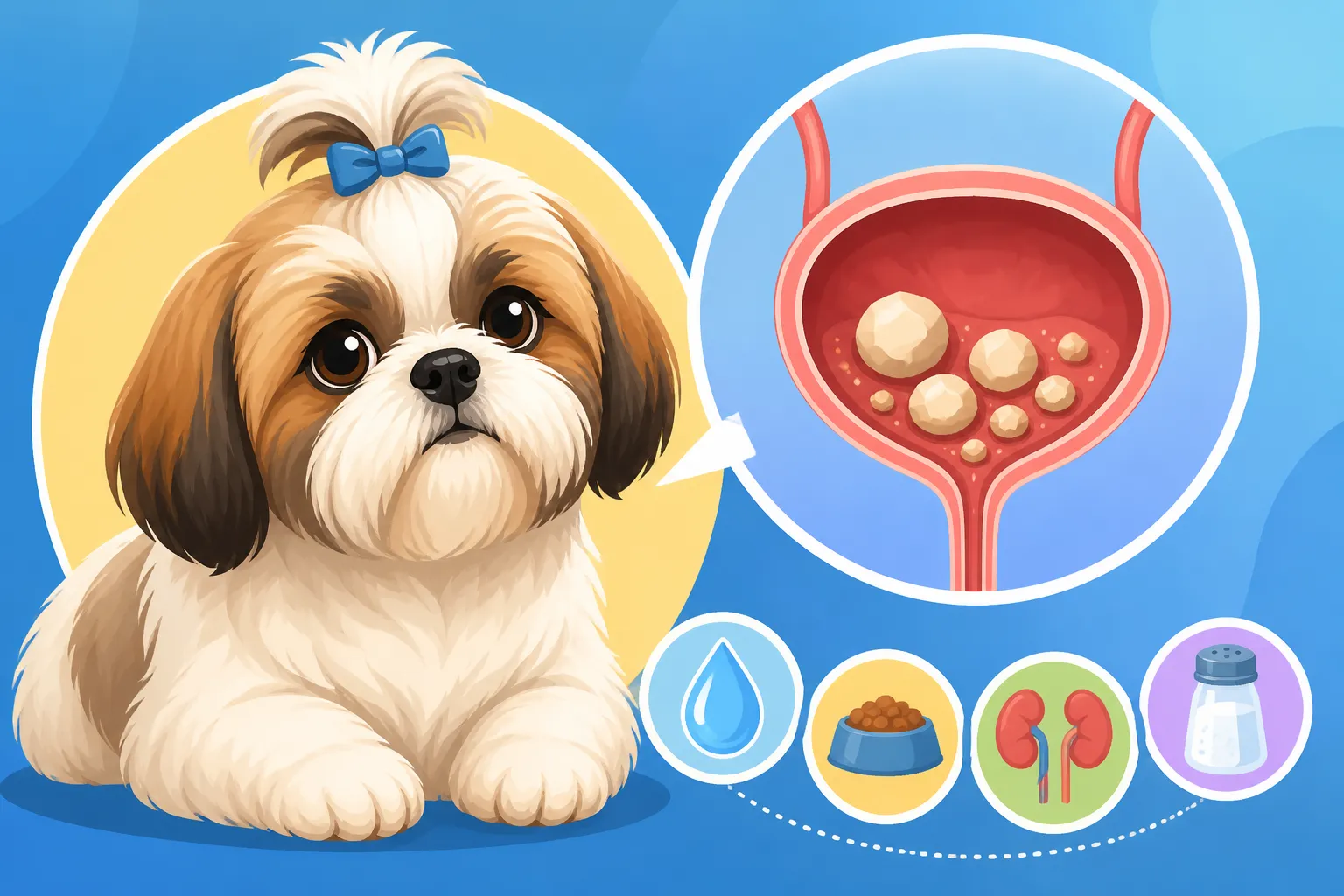
When we talk about bladder stones in dogs, veterinarians often use the term "uroliths." These aren't just tiny pebbles; they're hardened mineral deposits that form in the urinary bladder. Think of it like a miniature kidney stone, but instead of forming in the kidney, it’s hanging out in the bladder. These stones can range dramatically in size, from fine, sand-like particles (sometimes called "sludge" or "bladder gravel") to large, golf-ball sized formations that can completely block the urinary tract.
The bladder is designed to hold urine, which is essentially water with dissolved waste products and minerals. When the balance of these minerals gets thrown off, or if the urine becomes too concentrated, these minerals can start to crystallize. Over time, these tiny crystals can clump together, growing larger and larger, much like a pearl forms around a grain of sand. And just like a pearl, these stones can be incredibly irritating and even dangerous to the surrounding tissues. For a small breed like the Shih Tzu, even a relatively small stone can cause immense problems due to their compact anatomy.
There are several types of bladder stones, and understanding which kind your Shih Tzu might have is crucial because it dictates the best course of treatment and prevention. The two most prevalent types we see in Shih Tzus are struvite and calcium oxalate stones. Each type has its own distinct mineral composition and, significantly, its own set of contributing factors. It's not a one-size-fits-all situation, and what helps prevent one type can sometimes exacerbate another, which is why a proper veterinary diagnosis is so important.
Why Shih Tzus Are So Prone to Bladder Stones
It can feel incredibly unfair when your dog develops a painful condition like bladder stones, especially when you feel like you're doing everything right. But the truth is, Shih Tzus, like many other small breeds, carry certain predispositions that make them more vulnerable. It’s not necessarily something you’ve done wrong, but rather a combination of genetics, diet, and even lifestyle factors unique to their charming little selves.
Breed Predisposition and Genetics
One of the primary reasons Shih Tzus often end up with bladder stones boils down to their genetics and the unique way their bodies are built. As a breed, they are inherently more susceptible to forming certain types of stones, especially calcium oxalate. This isn't just bad luck; it’s often linked to metabolic differences that can lead to higher levels of calcium in their urine or a urine pH that's naturally more acidic, creating an ideal environment for these crystals to form.
Their compact urinary tracts can also mean that smaller crystals or sludge can cause more significant blockages or irritation faster than in a larger dog. Think about a narrow pipe versus a wide one – a little debris can quickly clog the smaller opening. Furthermore, specific genetic markers have been identified in certain breeds that increase their risk. While a responsible breeder should always aim for healthy lines, these predispositions can still emerge, and it's something every Shih Tzu owner needs to be aware of from the start. It’s part of understanding the breed’s unique health profile, much like knowing about potential Shih Tzu Joint Problems in a Toy Frame or Brachycephalic Breathing in a Shih Tzu.
Dietary Factors and Mineral Imbalance
What goes into your Shih Tzu's bowl has a profound impact on their urinary health. Diet plays a massive role in regulating urine pH and the concentration of various minerals. Foods high in certain minerals, like magnesium, ammonium, and phosphate, can contribute to struvite stone formation, especially when combined with alkaline urine. On the flip side, diets high in calcium or oxalate, or even excessive protein, can fuel the development of calcium oxalate stones if the urine is too acidic.
The treats you offer, and yes, even those innocent-looking table scraps, can throw off the delicate balance in your Shih Tzu’s system. Many human foods are simply not formulated for a dog’s metabolism and can introduce excess minerals or alter urine pH in undesirable ways. For instance, a diet rich in highly processed foods or those with inconsistent nutrient profiles can be a silent culprit. This is why paying close attention to your Shih Tzu's diet and consulting your vet about the best nutritional plan is paramount, especially if they’ve shown any signs of urinary issues or if you’re concerned about conditions like Pancreatitis in a Shih Tzu After Table Food.
Hydration Habits and Urinary Stasis
Believe it or not, how much your Shih Tzu drinks and how often they get to pee can be huge factors in stone formation. Urine that is highly concentrated, meaning your dog isn't drinking enough water, provides a more saturated environment for minerals to crystallize. Imagine trying to dissolve a spoonful of salt in a tiny sip of water versus a large glass – the small sip will be much more saturated.
Shih Tzus, being small and often pampered, might not always drink as much as they should, or they might be prone to holding their urine for extended periods if potty breaks aren't frequent enough. Maybe you live in an apartment and can't take them out as often as ideal, or perhaps they're just not big drinkers. This "urinary stasis" – urine sitting in the bladder for too long – gives crystals more time to settle and grow. Ensuring constant access to fresh water and providing ample opportunities for bathroom breaks throughout the day are simple, yet incredibly effective, preventative measures.
Urinary Tract Infections (UTIs)
While not a direct cause of all bladder stone types, urinary tract infections are a major player in the formation of struvite stones. Bacteria in a UTI produce an enzyme called urease, which breaks down urea in the urine, leading to an increase in ammonia. This makes the urine more alkaline, which is the perfect environment for struvite crystals to form and clump together.
It's a vicious cycle: a UTI can lead to struvite stones, and the stones themselves can make the bladder more susceptible to recurrent infections by providing nooks and crannies for bacteria to hide. If your Shih Tzu has had a history of UTIs, or if you notice any changes in their urination habits, it's crucial to get it checked out promptly. Early detection and treatment of UTIs can often prevent the cascade that leads to painful bladder stones. You can read more about how to identify problems in this area in our guide to Shih Tzu Urinary Accidents That Are Medical.
Recognizing the Signs of Bladder Stones in Your Shih Tzu
One of the biggest frustrations for pet parents is that our dogs can't tell us what's wrong. You have to become a detective, keenly observing their behavior for subtle clues. With bladder stones, the signs can range from barely noticeable to overtly distressing. Catching these signs early is key to preventing further pain and potentially life-threatening complications.
Behavioral Changes in Urination
The most common indicators of bladder stones are usually related to your Shih Tzu's potty habits. You might start noticing them:
- Straining to urinate (stranguria): This is a huge red flag. Your Shih Tzu might squat repeatedly, hunch their back, or try to pee multiple times with little to no urine coming out. It looks like they're really pushing, and they probably are.
- Frequent urination (pollakiuria): They might ask to go outside much more often than usual, or they might attempt to urinate in small, frequent puddles. They feel the constant urge to go, even if their bladder isn't full, because the stones are irritating the lining.
- Urinary accidents in the house (periuria): Even a perfectly house-trained Shih Tzu might start having accidents indoors. This isn't out of spite; it's often because they can't hold their urine as well due to the irritation, or the urge to go is simply too overwhelming or sudden. If your normally reliable dog suddenly starts peeing inside, don't just assume it's a training issue; investigate for a medical cause.
These changes can sometimes be subtle at first, maybe just an extra squat or a slightly longer time trying to go. But if you notice a pattern, it’s definitely time to pay closer attention and potentially call your vet.
Physical Symptoms and Discomfort
Beyond changes in urination, bladder stones can cause more overt physical signs of pain and discomfort.
- Blood in urine (hematuria): This is another alarming symptom. You might see pink, red, or brownish streaks in their urine, or even a noticeable tint in puddles on light-colored surfaces. The stones scraping against the bladder lining cause irritation and bleeding.
- Excessive licking of the genital area: If your Shih Tzu is constantly licking their vulva or penis, it's often a sign of irritation or pain in that region. They're trying to soothe themselves.
- Pain or tenderness in the abdomen: Your dog might resist being picked up, or they might yelp or flinch if you gently touch their lower abdomen. They might also appear hunched or generally restless and uncomfortable.
- Lethargy and loss of appetite: If your Shih Tzu is in significant pain, they might become withdrawn, less playful, and show a decreased interest in food. This is a general sign of illness but, combined with other urinary symptoms, points strongly to a problem.
When to Seek Veterinary Care Immediately
Any of the above signs warrant a visit to the veterinarian. However, there are specific situations that constitute an emergency. If your Shih Tzu is repeatedly trying to urinate but absolutely no urine is coming out, this is a critical emergency. This could indicate a complete blockage of the urethra, which prevents the bladder from emptying. A blocked bladder can quickly become life-threatening, leading to kidney failure, bladder rupture, and severe electrolyte imbalances. Do not wait; get to an emergency vet clinic immediately.
Even if there's no complete blockage, the pain and discomfort caused by bladder stones are significant. Your vet will perform a thorough examination, including a urinalysis to check for blood, crystals, bacteria, and pH. They'll likely recommend diagnostic imaging such as X-rays or ultrasound, which can usually pinpoint the location, size, and even the type of stones present. Knowing the exact nature of the stones is essential because it guides the treatment plan, which might involve a special diet, medication, or in some cases, surgery. Understanding Shih Tzu Kidney Values on Routine Bloodwork can also be helpful for your vet in assessing overall urinary health.
Preventing Bladder Stones: Practical Steps for Shih Tzu Owners
The good news is that for many Shih Tzus, bladder stones are preventable, or at least their recurrence can be significantly reduced. It takes a proactive approach and a commitment to their health, but the effort is well worth avoiding the pain and expense of treatment. Think of it as a comprehensive wellness plan for their urinary system.
Tailored Dietary Management
This is often the cornerstone of bladder stone prevention and management. Once your vet identifies the type of stone, they might recommend a prescription urinary diet. These diets are specifically formulated to either dissolve existing struvite stones or prevent the formation of new calcium oxalate stones. For instance, a diet designed for struvite prevention will create an acidic urine environment and be low in magnesium, ammonium, and phosphate. Conversely, a diet for calcium oxalate prevention will aim for a neutral or slightly alkaline urine and be lower in calcium and oxalate.
It's crucial to stick strictly to the prescribed diet and avoid any additional treats or table scraps that could undermine its effectiveness. This can be tough when your Shih Tzu gives you those soulful eyes, but their health truly depends on it. Discuss Kidney Diets for a Shih Tzu or other specialized formulas with your veterinarian to ensure you're feeding the right food for your dog's specific needs. For pet parents budgeting for potential health needs, remember that specialty foods and vet visits can add up, and a comprehensive pet insurance plan like those offered by Healthy Paws can be a real lifeline in managing these ongoing costs.
Boosting Water Intake
Hydration is your Shih Tzu's best friend when it comes to urinary health. The more diluted their urine, the less chance minerals have to clump together and form stones.
- Fresh Water Access: Always provide multiple bowls of fresh, clean water in easily accessible locations. Consider stainless steel or ceramic bowls, which can be easier to keep clean than plastic.
- Water Fountains: Some dogs are enticed by the circulating water in a pet fountain, which can encourage them to drink more.
- Wet Food: Incorporating wet food into their diet or adding a little water to their dry kibble can significantly increase their daily water intake. This is especially helpful for Shih Tzus who aren't enthusiastic drinkers.
- Flavoring Water: A tiny bit of low-sodium chicken broth (ensure no onion or garlic) can sometimes make water more appealing, but always check with your vet first to avoid introducing unwanted minerals.
Making sure your dog has adequate Water Intake for a Shih Tzu With Kidney Disease is particularly vital if they have any underlying kidney issues.
Regular and Frequent Potty Breaks
Holding urine for too long allows crystals more time to settle and grow in the bladder. Consistent and frequent potty breaks are simple yet effective preventative measures. For an adult Shih Tzu, aim for at least 3-4 outdoor breaks a day, and more for puppies or senior dogs.
- Scheduled Walks: Establish a routine for walks and potty breaks. Early morning, after meals, mid-day, and before bed are good starting points.
- Prompt Response: If your Shih Tzu signals they need to go out, take them immediately. Don't make them wait.
- Indoor Options: If you live in an area with extreme weather or have a very young/old dog, consider indoor potty pads or a grass patch, but outdoor breaks are still preferred for complete bladder emptying and exercise.
Ongoing Monitoring and Veterinary Care
Even with the best preventative measures, some Shih Tzus may still be prone to stones. Regular veterinary check-ups are crucial for early detection and monitoring.
- Annual Check-ups: Your vet will perform a physical exam and discuss any changes you've noticed. For older Shih Tzus, a The Senior Panel a Shih Tzu Needs at Ten is often recommended, which includes bloodwork and urinalysis.
- Urinalysis: For dogs at risk, or those with a history of stones, your vet might recommend periodic urinalysis to check urine pH, specific gravity (concentration), and the presence of crystals or bacteria. This allows for intervention before stones even have a chance to form.
- Imaging: In some cases, especially if there's a history of stones, your vet might suggest periodic X-rays or ultrasounds to monitor for any developing uroliths. These non-invasive procedures can catch small stones before they become a big problem.
Proactive health monitoring, combined with a vet-approved diet and good hydration, gives your Shih Tzu the best chance at a stone-free life. Being prepared for potential health challenges, both physically and financially, is part of responsible pet ownership. Knowing that providers like Healthy Paws can help with unexpected veterinary costs offers great peace of mind when dealing with complex conditions. Remember, issues like Shih Tzu Obesity on a Sixteen Pound Frame can also indirectly impact overall health, so maintaining a healthy weight is another piece of the wellness puzzle.
Here's a quick comparison of the two most common bladder stone types in Shih Tzus:
| Feature | Struvite Stones | Calcium Oxalate Stones |
|---|---|---|
| Composition | Magnesium ammonium phosphate | Calcium oxalate monohydrate or dihydrate |
| Common Cause | Often associated with urinary tract infections (UTIs) that make urine alkaline | Genetic predisposition, high calcium/oxalate diet, acidic urine, low hydration |
| Urine pH | Typically alkaline (high pH) | Typically acidic (low pH) |
| Dissolvable? | Yes, often with specialized prescription diets and antibiotics for UTIs | No, usually requires surgical removal or lithotripsy |
| Recurrence Risk | High if underlying UTI is not cleared or diet not maintained | High, often requires lifelong dietary management and monitoring |
| Shih Tzu Risk | Moderate, especially with UTIs | High, due to breed predisposition |
Always consult your veterinarian for an accurate diagnosis and personalized treatment plan, as self-treating can be dangerous and ineffective.
Disclaimer
This article is intended for informational purposes only and does not constitute medical advice. Always consult with a qualified veterinarian for any health concerns or before making any decisions about your Shih Tzu's care, diet, or treatment.