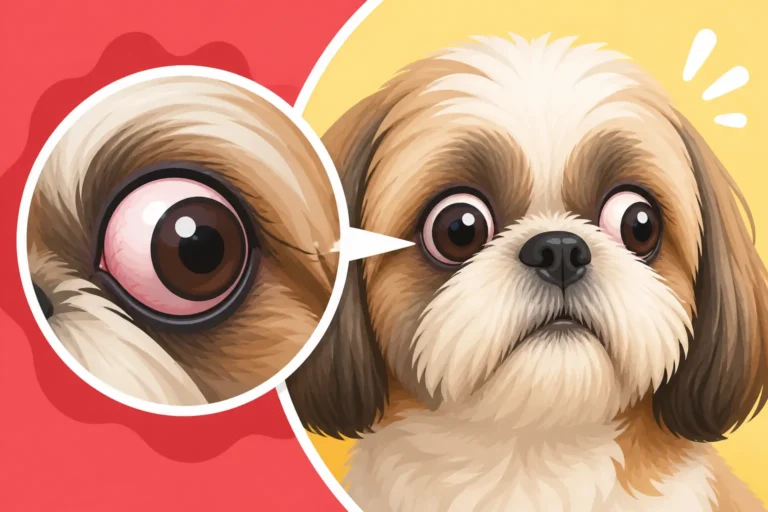
Shih Tzu Eyelashes Growing Into the Eye
It’s heartbreaking to see your beloved Shih Tzu constantly pawing at their face, squinting, or producing an endless stream of tears, especially when you can’t quite pinpoint the source of their discomfort. Often, these subtle but persistent irritations aren't just a bit of dust or stray hair; they could be a sign that something more serious is happening with their eyelashes, causing real pain and potential damage to their precious eyes. This guide will walk you through understanding why your Shih Tzu’s eyelashes might be causing trouble, how to spot the signs, and what steps you can take with your vet to bring them relief.
Understanding Abnormal Eyelash Growth in Shih Tzus
When we talk about eyelashes causing problems for a Shih Tzu, we’re usually referring to a couple of distinct conditions: distichiasis and ectopic cilia. Both involve hair growing in places it shouldn't, directly irritating the sensitive surface of the eye. Given the Shih Tzu’s characteristic long, flowing coat and their prominent, somewhat vulnerable eyes, they are unfortunately predisposed to these kinds of issues. It's a common frustration for many owners, feeling like their pup's gorgeous features are working against them.
What is Distichiasis?
Distichiasis is a condition where extra eyelashes grow from the meibomian glands along the eyelid margin. Normally, these glands produce an oily substance that helps keep the tears on the eye, but with distichiasis, hair follicles get mixed in. Think of it like a rogue hair trying to sprout from an oil gland instead of a regular hair follicle. These extra lashes can be fine and soft, barely noticeable, or they can be coarse and stiff, acting like tiny needles constantly poking the cornea.
The issue with distichiasis is that these lashes, regardless of their texture, rub against the delicate surface of the eyeball every time your Shih Tzu blinks. Imagine having a tiny, irritating strand stuck in your own eye all day long – that’s what your furry friend is experiencing. It’s not just a minor annoyance; it can lead to chronic inflammation, redness, and discomfort, and if left unaddressed, more serious complications can arise, such as corneal ulcers. These ulcers are not only incredibly painful but can also impair vision.
What is Ectopic Cilia?
While distichiasis involves lashes growing from the eyelid margin, ectopic cilia are even more insidious. This condition means a single, sometimes a cluster, of eyelashes grows through the conjunctiva, which is the membrane lining the inner surface of the eyelid, and points directly towards the cornea. Unlike distichiasis, where the hairs might be soft or the irritation intermittent, an ectopic cilium is almost always stiff and causes intense pain and irritation from a very specific, localized spot. It's like having a tiny, sharp splinter lodged right under your eyelid, constantly scraping your eye.
Because an ectopic cilium is typically singular and originates from beneath the eyelid surface, it often goes unnoticed by owners until significant discomfort or damage occurs. The intense, localized irritation it causes can lead to more rapid and severe corneal damage, often resulting in a focal corneal ulcer right where the lash makes contact. This is why it’s so critical to get your Shih Tzu to the vet quickly if they show sudden, severe signs of eye pain, as an ectopic cilium could be the culprit and requires prompt intervention to prevent permanent eye injury.
Why Shih Tzus Are Particularly Prone to Eyelash Issues
The Shih Tzu's unique physical characteristics, while contributing to their undeniable charm, also make them particularly susceptible to eye problems like distichiasis and ectopic cilia. Their prominent, large eyes – often described as "bug-eyed" – mean they have less natural protection from external irritants and even their own facial hair. This shallow orbit, where the eyeball sits, coupled with their long, often thick coat, creates a perfect storm for ocular issues.
Their beautiful, flowing hair, especially around the face, can easily get into their eyes, causing mechanical irritation. But beyond that, their genetic predisposition means the actual structure of their eyelids and the way hair follicles develop can be abnormal. It's not just stray hairs from their head; it's hairs growing directly from the eyelid that shouldn't be there. This genetic component means that these conditions can run in families, emphasizing the importance of responsible breeding practices and asking breeders about any history of eye problems in their lines. This inherent vulnerability means that "Shih Tzu Corneal Ulcers and Dry Eye" are unfortunately common concerns, often exacerbated by persistent eyelash irritation.
Recognizing the Signs Your Shih Tzu Has Eyelash Problems
As a Shih Tzu owner, you're probably already keenly aware of how delicate their eyes can be. They often have tear stains, and a bit of blinking might seem normal. However, distinguishing between normal Shih Tzu eye quirks and serious eyelash irritation is crucial for your dog’s comfort and health. These problems rarely resolve on their own and tend to worsen over time, leading to increasing discomfort and potential vision impairment.
Subtle Early Warning Signs
Sometimes, the earliest signs of distichiasis or ectopic cilia are so subtle you might easily miss them or attribute them to something else entirely. Your Shih Tzu might start blinking a little more than usual, or you might notice an increase in tearing, leading to more pronounced tear stains around their eyes. This isn't just a cosmetic issue; the excess tearing is their body's attempt to flush out the irritant, and the constant moisture can lead to skin irritation and secondary infections in the folds of their skin.
You might also observe your dog rubbing their face more frequently with their paws or against furniture and carpets. They might seem a bit withdrawn or reluctant to play, especially if the irritation causes a dull ache or constant distraction. Pay close attention during grooming; if they flinch or show discomfort when you brush near their eyes, or if you notice their eye appears slightly redder than usual, these could be initial indicators that something is amiss. Early detection is key to preventing more serious damage.
More Obvious and Painful Symptoms
As the condition progresses and the irritating eyelashes continue to rub against the cornea, the symptoms will become much more pronounced and painful. You’ll likely see significant redness in the eye, not just a faint pink, but a deeper, angry red. The constant irritation can lead to inflammation of the conjunctiva (conjunctivitis), making the whites of the eyes look bloodshot.
Your Shih Tzu might keep one or both eyes partially or fully closed (blepharospasm) due to the intense pain and photophobia (sensitivity to light). Discharge from the eye might change, becoming thicker, yellowish, or even greenish, indicating a secondary bacterial infection. In severe cases, particularly with an ectopic cilium, a corneal ulcer can form – a painful open sore on the surface of the eye. If you suspect an ulcer, it’s a true emergency because it can rapidly deepen and even lead to rupture of the eyeball if not treated promptly. Any sudden and severe increase in eye pain warrants an immediate vet visit.
When to Seek Immediate Veterinary Care
While regular vet check-ups are always important, certain signs warrant an emergency visit, especially when it comes to your Shih Tzu's eyes. If your dog suddenly closes an eye and refuses to open it, if there's severe discharge, if the eye looks cloudy or bluish (which could indicate a severe corneal ulcer or even a "Shih Tzu Eye Proptosis, the Emergency Owners Miss" is developing), or if they are in obvious distress, do not wait. These are not symptoms that will improve with time or home remedies.
Prompt veterinary attention is crucial to diagnose the exact problem and prevent irreversible damage. The longer an irritating eyelash rubs against the cornea, the higher the risk of deep ulcers, infections, and even vision loss. Your vet will have the specialized tools, like a fluorescein stain to detect ulcers, and magnification to spot those tiny, problematic lashes that are invisible to the naked eye. While thinking about the cost can be stressful, it's worth noting that pet insurance providers like Healthy Paws can often help cover unexpected vet bills for conditions like these, making timely care more accessible.
The Veterinary Diagnosis and Treatment Options
Once you've noticed the signs of eye irritation in your Shih Tzu, the next step is a trip to the veterinarian. It's a common issue for our little flat-faced friends, so your vet will likely have experience dealing with it. The diagnostic process is relatively straightforward for experienced hands, but the treatment options can vary widely depending on the type of eyelash issue, its severity, and your dog's individual tolerance and overall health.
The Diagnostic Process
When you bring your Shih Tzu in for eye irritation, your vet will perform a thorough ophthalmic examination. This usually involves:
- Visual Inspection: They'll carefully look at your dog's eyelids, eyelashes, and the surrounding structures, often using special magnification tools. Those tiny, fine distichiae can be incredibly hard to spot without proper equipment.
- Fluorescein Stain: This is a bright orange dye that's dropped onto the eye. If there's a corneal ulcer or abrasion, the dye will stick to the damaged area and glow green under a blue light, making even tiny scratches visible. This is a critical step, especially if an ectopic cilium is suspected, as it often causes a pinpoint ulcer.
- Schirmer Tear Test: Sometimes, eye irritation can also be a symptom of Dry Eye in a Shih Tzu and Lifelong Drops, a condition where the eyes don't produce enough tears. Your vet might perform this test to rule out or identify concurrent dry eye, as both conditions can mimic each other and even occur together.
- Palpation: The vet might gently palpate the eyelids to feel for any bumps or growths that could indicate an underlying issue.
Once the problematic lashes are identified, your vet will discuss the best course of action. They understand that every dog is unique, and what works for one Shih Tzu might not be ideal for another, especially considering potential anesthesia risks for brachycephalic breeds.
Temporary Solutions and Management
For some Shih Tzus, especially those with very fine, soft distichiae, or if immediate surgery isn't an option, temporary solutions can provide relief.
- Manual Epilation (Plucking): This is the simplest and least invasive method. The vet will use fine forceps to pluck out the offending eyelash. It's a quick procedure, often done with just a local anesthetic or even without, although some Shih Tzus might require a light sedative due to the sensitivity around their eyes. The biggest drawback? The lashes almost always grow back, typically within 3-6 weeks, meaning repeat visits are necessary. It's a temporary fix, not a cure.
- Lubricating Eye Drops: Your vet might prescribe lubricating eye drops or gels to help soothe the eye and provide a barrier against irritation. These won't remove the lash, but they can make blinking less abrasive and reduce discomfort. For Shih Tzus with concurrent dry eye, these drops become a daily necessity. Consistent application of Prescription Eye Drops for a Shih Tzu Each Month can really improve their comfort levels.
- Antibiotic Eye Drops: If a secondary bacterial infection has developed due to chronic irritation, antibiotic eye drops will be prescribed to clear it up before more permanent solutions are considered.
These temporary measures can be effective for managing mild cases or bridging the gap until a more definitive treatment can be arranged. However, the recurring nature of the problem means many owners eventually seek a longer-lasting solution.
Permanent Surgical Interventions
For many Shih Tzus suffering from distichiasis or ectopic cilia, especially those with severe irritation, coarse hairs, or recurrent problems, surgical intervention is often the most effective and humane long-term solution. The goal is to destroy the hair follicle so that the problematic lash never grows back. It's a more involved process, requiring general anesthesia, which is always a consideration for a brachycephalic breed. This is why it’s important to have thorough pre-anesthetic testing done.
Here's a look at the common surgical options:
- Cryoepilation: This method uses liquid nitrogen or nitrous oxide to freeze the lash follicle, effectively destroying it. A probe is applied to the eyelid margin at the base of each abnormal follicle, freezing the tissue. The procedure often involves a freeze-thaw-freeze cycle to ensure the follicle is completely destroyed. Cryoepilation is generally successful, but some pigment loss (lightening of the eyelid skin) can occur. It's highly effective for distichiasis.
- Electrocautery/Electrolysis: Similar to cryoepilation, this technique uses a fine needle that delivers an electrical current to the lash follicle, burning it. It's precise and can be very effective, but also requires careful technique to avoid damage to surrounding healthy tissue.
- Surgical Excision: For ectopic cilia, which are typically deeply embedded within the conjunctiva, direct surgical excision is usually the preferred method. The vet or a veterinary ophthalmologist will make a small incision on the inner surface of the eyelid, remove the offending follicle, and then close the incision. This is often the most definitive treatment for ectopic cilia.
- Combination Therapies: In some complex cases, a combination of these techniques might be used to address all problematic lashes effectively.
| Treatment Type | Method | Best For | Pros | Cons |
|---|---|---|---|---|
| Manual Epilation | Plucking individual lashes with forceps | Mild distichiasis | Non-invasive, quick, inexpensive, no anesthesia | Temporary (lashes regrow), frequent vet visits needed, risk of recurrence |
| Cryoepilation | Freezing lash follicles with liquid N2 | Distichiasis | High success rate, destroys follicle permanently | Requires general anesthesia, potential for pigment loss, swelling post-op |
| Electrocautery | Burning lash follicles with electric current | Distichiasis | High success rate, precise, destroys follicle | Requires general anesthesia, risk of thermal damage to surrounding tissue, swelling post-op |
| Surgical Excision | Incision to remove follicle from conjunctiva | Ectopic Cilia | Most definitive for ectopic cilia, removes source | Requires general anesthesia, minor incision on eyelid, swelling post-op, potentially higher cost |
It's important to remember that all surgical procedures carry some risks, including those associated with anesthesia, especially for a flat-faced breed. Your veterinary team will carefully assess your Shih Tzu's health before recommending surgery. While the initial costs might seem daunting, many pet insurance plans, like those offered by Healthy Paws, can significantly alleviate the financial burden of these specialized procedures, giving you peace of mind that your dog can receive the best care. You might find it useful to check out articles like "Shih Tzu Eye Proptosis Emergency Surgery Cost" to understand the potential expenses for various eye-related emergencies.
Living with Eyelash Issues: Management and Prevention
Even after successful treatment, managing your Shih Tzu’s eye health is an ongoing commitment. These little dogs are predisposed to various ocular conditions, and attention to detail can make a world of difference in their comfort and quality of life. Prevention, where possible, and meticulous post-operative care are paramount to keeping their beautiful eyes healthy and clear.
Post-Operative Care and Recovery
After any surgical procedure for eyelash issues, your Shih Tzu will require diligent post-operative care to ensure proper healing and minimize complications. This typically includes:
- E-Collar (Cone of Shame): This is non-negotiable! Your dog absolutely must wear an Elizabethan collar to prevent them from rubbing, scratching, or pawing at their healing eyes. Even a momentary scratch can undo surgical repairs or introduce infection. Expect them to hate it, but it’s for their own good.
- Prescribed Medications: You’ll likely be sent home with a regimen of eye drops or ointments, often including antibiotics to prevent infection and anti-inflammatories to reduce swelling and pain. Administer these exactly as directed, even if your dog resists.
- Pain Management: Your vet will ensure your Shih Tzu has appropriate pain relief to keep them comfortable during recovery. This is crucial for their well-being and to prevent them from irritating the surgical site due to discomfort.
- Restricted Activity: For the first week or two, your dog will need to avoid strenuous activity, jumping, or rough play that could put strain on their healing eyes or cause them to bump the E-collar. This might mean kennel rest or keeping them on a short leash indoors.
- Follow-Up Appointments: Crucial follow-up appointments will be scheduled to monitor healing, remove sutures if necessary, and ensure no new problematic lashes are emerging. Don't skip these!
Remember that the goal is not just to fix the problem but to ensure your Shih Tzu has a smooth and comfortable recovery. Any signs of increased pain, swelling, redness, or discharge should be reported to your vet immediately.
Long-Term Eye Health Maintenance
Even if the problematic eyelashes are permanently removed, your Shih Tzu will still need consistent long-term eye care to prevent other issues. Their flat face and prominent eyes make them susceptible to conditions like Shih Tzu Corneal Ulcers and Dry Eye or Pigmentary Keratitis in a Shih Tzu.
- Regular Grooming: Keeping the hair around their eyes meticulously trimmed is essential. Long facial hair can still irritate the cornea or wick moisture, leading to tear staining and potential infection. Learning Trimming Face Hair Away From Shih Tzu Eyes correctly is a vital skill for any Shih Tzu owner.
- Daily Eye Cleaning: Use a soft, damp cloth or specific dog eye wipes to gently clean away any discharge or tear stains. This helps prevent bacterial growth and keeps the skin around the eyes healthy.
- Monitoring for Recurrence: While surgical treatments aim to be permanent, occasionally a new lash can emerge, or a follicle might not have been completely destroyed. Continue to observe your Shih Tzu’s eyes daily for any signs of irritation, squinting, or increased tearing.
- Regular Vet Check-ups: Routine veterinary visits are important for overall health, but also specifically for eye health monitoring. Your vet can catch subtle changes you might miss.
By staying proactive with grooming and vigilant about observing your dog’s eyes, you can significantly contribute to their long-term comfort and well-being.
Breeding Considerations
For those involved in breeding Shih Tzus, understanding and addressing genetic predispositions to eyelash issues is a critical responsibility. Distichiasis is known to have a hereditary component, meaning it can be passed down from parents to puppies.
- Health Testing: Reputable breeders should perform thorough health screenings on their breeding stock, including comprehensive eye examinations by a board-certified veterinary ophthalmologist. This often involves specific certifications like the Canine Eye Registry Foundation (CERF) or Orthopedic Foundation for Animals (OFA) Eye Certification. If a dog has severe, recurring distichiasis or any ectopic cilia, it should ideally not be bred.
- Informing Buyers: Transparency is key. A breeder should disclose any history of eye conditions in the parents or previous litters to prospective puppy buyers. This helps new owners be prepared for potential issues and understand the importance of early eye care. You should always ask a potential breeder to show you their "Shih Tzu Eye Certification Before Breeding" records.
- Genetic Counseling: For breeds prone to such conditions, seeking genetic counseling or using genetic testing if available, can help breeders make informed decisions to reduce the prevalence of these painful eye problems in future generations.
By making responsible breeding choices, we can work towards reducing the incidence of these painful conditions, ensuring that future Shih Tzus can enjoy a life free from constant eye irritation.
Disclaimer
The information provided in this article is for general informational purposes only and is not a substitute for professional veterinary advice, diagnosis, or treatment. Always seek the advice of your veterinarian or other qualified animal health provider with any questions you may have regarding a medical condition or the health and welfare of your pet. Never disregard professional veterinary advice or delay in seeking it because of something you have read here.