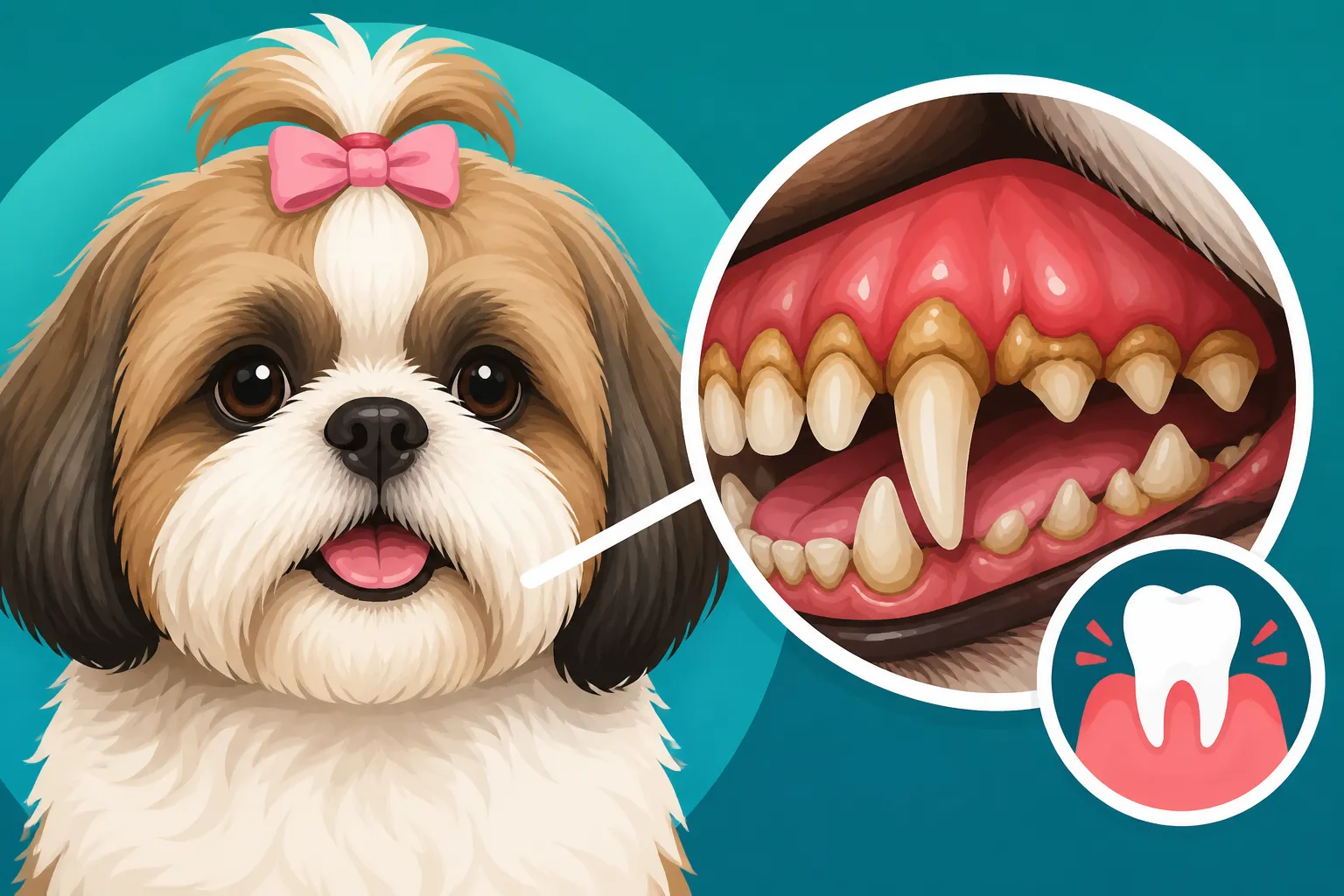
Periodontal Disease in a Five Year Old Shih Tzu
It can be truly disheartening to learn that your beloved Shih Tzu, perhaps only five years old, is already struggling with significant dental problems. Many owners mistakenly believe that dental issues are something only much older dogs face, so hearing that a young companion has periodontal disease can feel like a punch to the gut. This isn't just about bad breath; it's a chronic, progressive disease that causes pain, impacts their ability to eat, and can even have serious implications for their overall health. This guide is here to walk you through understanding periodontal disease in your five-year-old Shih Tzu, recognizing its signs, exploring treatment options, and establishing preventative care to keep their little mouths as healthy as possible.
What Exactly is Periodontal Disease in a Shih Tzu?
Periodontal disease isn't just one thing; it's a progressive inflammatory condition affecting the tissues surrounding and supporting your dog's teeth. It starts subtly and, if left unchecked, can lead to severe pain, tooth loss, and systemic health issues. For a breed like the Shih Tzu, with their charming but anatomically challenging flat faces and crowded jaws, this process often begins much earlier than many owners realize.
The Silent Threat to a Tiny Mouth
Imagine trying to fit 42 adult teeth into a small mouth. That's essentially the challenge facing a Shih Tzu. Their compact jawline, a hallmark of their brachycephalic (flat-faced) structure, often results in crowded, rotated, or misaligned teeth. These tight spaces become perfect traps for food particles, plaque, and bacteria. When plaque, a sticky film of bacteria, isn't removed daily through brushing or chewing, it hardens into tartar. This yellow-brown buildup is tenacious and rough, providing even more surface area for bacteria to cling to.
Once tartar forms, it's virtually impossible to remove with home care alone. It pushes against the gum line, creating pockets where more bacteria thrive, leading to gingivitis—the first stage of periodontal disease. Gingivitis is an inflammation of the gums, causing them to appear red, swollen, and sometimes bleed. At this stage, it's reversible with a professional dental cleaning. However, if gingivitis progresses, the infection begins to attack the structures below the gum line: the ligaments and bone that hold the teeth in place. This is true periodontal disease, and unfortunately, the damage to these supporting structures is irreversible. The severity can range from mild gum recession to deep pockets, bone loss, and eventually, teeth becoming loose or falling out. Many Shih Tzus are already dealing with significant dental disease at 13 percent of the breed by the time they are a few years old.
Why Five Years Old is a Critical Age
It might seem young for a dog to have serious dental problems, but for a Shih Tzu, five years old is often when years of accumulating plaque and tartar truly start to manifest as undeniable periodontal disease. By this age, many Shih Tzus have had five years of bacteria silently doing its damage. Without consistent, diligent home dental care or regular professional cleanings since puppyhood, the gums have likely been inflamed for quite some time, and the infection could be creeping beneath the surface, weakening the very foundations of their teeth.
At five, a Shih Tzu might present with moderate to severe periodontal disease. This could mean deep periodontal pockets, bone loss visible on X-rays, and possibly even tooth root abscesses or infections that have already started affecting their general health. It's a critical juncture because intervention at this stage can still save many teeth and prevent further systemic complications. Ignoring it, however, means accepting chronic pain for your dog and a higher risk of more serious health issues down the line, such as heart or kidney problems. Understanding the progression of Shih Tzu tooth crowding in a tiny jaw is key to preventing problems from escalating.
Spotting the Subtle Signs of Trouble
Often, by the time a Shih Tzu is five and owners notice a "problem," the disease has been progressing for a while. Our dogs are incredibly resilient and often hide pain, especially oral pain, because in the wild, showing weakness could make them a target. So, it's up to us to be vigilant and know what to look for, even if they're not overtly complaining.
Beyond Bad Breath: What to Look For
While notoriously pungent "dog breath" is often the first clue for owners, it's just the tip of the iceberg. If your five-year-old Shih Tzu's breath is strong enough to clear a room, it's almost certainly a sign of significant bacterial overgrowth in their mouth, pointing directly to periodontal disease. But there are many other, often subtler, signs to watch for:
- Changes in Eating Habits: Is your Shih Tzu suddenly reluctant to chew on their favorite kibble or hard treats? Are they eating more slowly, dropping food, or chewing on one side of their mouth? They might prefer softer foods or stop eating altogether in severe cases.
- Red, Swollen, or Bleeding Gums: Gently lift their lip and examine their gums. Healthy gums are pink, tight, and firm. If they're red, puffy, or bleed easily when touched (even lightly), it's a clear sign of inflammation and infection.
- Visible Tartar Buildup: Look for yellow, brown, or even green-black crusty deposits on their teeth, especially along the gum line and on the back molars. This is hardened plaque and indicates dental disease.
- Loose or Missing Teeth: In more advanced stages, teeth may become loose or even fall out. You might find a tooth on the floor, or notice gaps in their smile.
- Pawing at the Mouth or Rubbing Face: If your dog is constantly pawing at their face, rubbing it on the furniture or carpet, or frequently licking their lips, they might be trying to alleviate oral discomfort.
- Drooling or Dropping Food: Excessive drooling, sometimes mixed with blood, or consistently dropping food from their mouth while eating are serious indicators of pain.
- Reluctance to Be Handled Around the Face: A dog in oral pain may become defensive or even snap if you try to touch their mouth or head. This isn't behavioral stubbornness; it's a pain response.
It's important to remember that these signs don't suddenly appear overnight. They develop gradually, so regular, close examination of your Shih Tzu's mouth is your best defense against missing these crucial warnings.
The Stages of Dental Disease
To truly grasp the severity of periodontal disease, it helps to understand its progression, often categorized into four stages by veterinarians:
- Stage 1: Gingivitis: This is the mildest form, characterized by red, swollen gums that may bleed slightly. There's plaque and tartar buildup, but no significant attachment loss (meaning the gum tissue hasn't pulled away from the tooth). This stage is reversible with a professional dental cleaning. You might notice mild bad breath.
- Stage 2: Early Periodontitis: The gums are more inflamed and swollen, and there's usually more noticeable tartar. At this stage, your vet might detect a 25% attachment loss, meaning the ligaments and bone supporting the tooth are starting to erode. The periodontal pockets are forming, providing more space for bacteria. Bad breath is more pronounced, and your Shih Tzu might show slight discomfort.
- Stage 3: Moderate Periodontitis: This stage involves significant attachment loss, typically between 25% and 50%. The gums are severely inflamed, bleeding is common, and deep periodontal pockets are present. There's often noticeable bone loss around the teeth. Your dog is likely experiencing chronic pain, which might manifest as changes in eating habits or behavior. Extractions of severely affected teeth are often necessary at this point.
- Stage 4: Advanced Periodontitis: This is the most severe stage, with over 50% attachment loss, extensive bone loss, and potentially exposed tooth roots. Teeth are often loose, abscessed, or even missing. The infection can spread to other parts of the body. Dogs at this stage are in excruciating pain and their quality of life is severely impacted. Numerous extractions are almost always required to resolve the infection and discomfort.
A five-year-old Shih Tzu could easily be in Stage 2 or 3 if dental care has been neglected. Early detection and intervention are paramount, not just for saving teeth, but for saving them from a great deal of chronic pain.
The Far-Reaching Impact of Untreated Dental Issues
It’s easy to think of periodontal disease as “just a mouth problem,” something contained to their tiny teeth and gums. But that couldn't be further from the truth. The mouth is a gateway to the rest of the body, and the chronic infection and inflammation associated with periodontal disease can have severe, systemic consequences that impact your Shih Tzu's overall health and lifespan.
When the Mouth Affects the Whole Body
The oral cavity is teeming with bacteria, and when periodontal disease is present, these bacteria are constantly circulating in your Shih Tzu's bloodstream. Every time they chew, these bacteria are pressed into the inflamed gum tissue and can gain access to the bloodstream. Once in the bloodstream, they can travel anywhere in the body, settling in vital organs and causing secondary infections or exacerbating existing conditions.
One of the most concerning systemic impacts is on the heart. Bacteria from the mouth can travel to the heart valves, causing inflammation and damage, which can lead to or worsen heart murmurs and valve disease. For a Shih Tzu, who can be prone to certain heart conditions, this is a significant risk factor. Similarly, the kidneys and liver can become targets. These organs are responsible for filtering toxins from the blood, and a constant influx of oral bacteria can put immense strain on them, potentially leading to inflammation, infection, or even organ failure over time. You might find yourself needing to explore kidney diets for a Shih Tzu earlier than expected.
Moreover, chronic inflammation anywhere in the body puts a strain on the immune system, making your Shih Tzu more susceptible to other illnesses. The body is constantly fighting a battle, diverting resources that could be used for maintaining general health. This silent battle under the surface is why a veterinarian will always emphasize the link between oral health and systemic well-being. It’s not just about fresh breath; it’s about a healthy, longer life for your furry companion.
Pain and Quality of Life
Beyond the grim systemic risks, we must acknowledge the immediate, agonizing reality of chronic pain that untreated periodontal disease inflicts. Imagine living with a constant, throbbing toothache, inflamed gums, or exposed tooth roots. That's what many dogs with advanced dental disease experience day in and day out. As empathetic owners, this is perhaps the hardest aspect to confront.
A Shih Tzu in pain might not cry out or limp, but their behavior will change. They might become withdrawn, less playful, or even irritable. They might stop greeting you at the door with the same enthusiasm, or refuse to engage in games they once loved. Eating, which should be a joy, can become a source of immense discomfort. They might avoid hard food, chew only on one side of their mouth, or simply lose their appetite, leading to weight loss and nutritional deficiencies. The simple act of grooming, or even just someone touching their head, can become unbearable.
This chronic pain severely diminishes their quality of life. They might sleep more, interact less, and generally seem "off." It’s easy to dismiss these changes as "getting older" or "just being a dog," but often, they are clear indicators of pain, and addressing their dental health can bring about a remarkable transformation in their demeanor and zest for life. A pet insurance provider like Healthy Paws can often alleviate some of the financial burden of unexpected and ongoing dental issues, ensuring pain relief and necessary treatments are accessible. When we talk about how dental disease weakens a Shih Tzu jaw, we’re really talking about eroding their comfort and happiness.
Navigating Treatment: From Exam to Extraction
Once periodontal disease is diagnosed, especially in a five-year-old Shih Tzu, treatment is no longer optional; it's essential. The goal is to eliminate infection, alleviate pain, and prevent further progression. This almost always requires a professional veterinary dental cleaning, often involving extractions.
The Importance of a Professional Dental Cleaning
There's no way around it: a professional dental cleaning, performed under general anesthesia by your veterinarian, is the cornerstone of treating periodontal disease. This isn't just a "brush and polish"; it's a comprehensive medical procedure that goes far beyond what can be achieved at home.
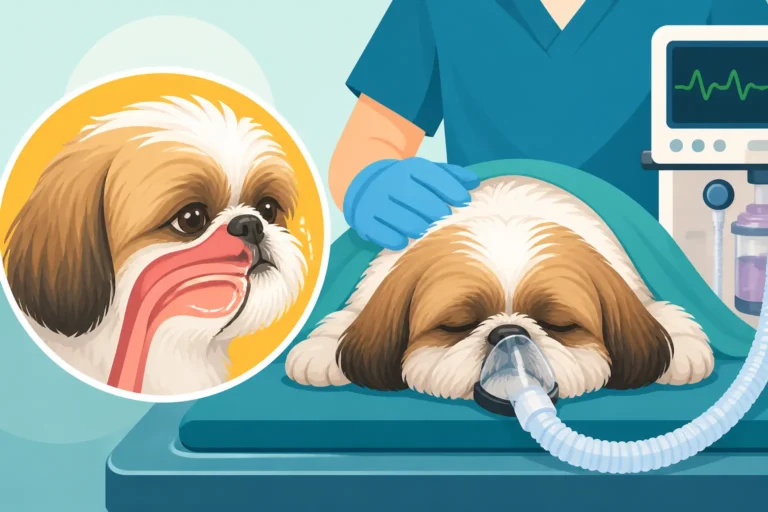
Before the procedure, your vet will perform a thorough physical exam and often recommend pre-anesthetic testing before a Shih Tzu dental. This typically includes blood work to assess organ function (especially liver and kidneys, given the systemic impact of dental disease) and ensure your Shih Tzu is a good candidate for anesthesia. For brachycephalic breeds like Shih Tzus, anesthesia on a flat-faced Shih Tzu carries specific considerations, and your vet will take extra precautions, such as using specialized monitoring equipment and having staff dedicated to closely observing your dog throughout the procedure and recovery.
Once safely under anesthesia, the real work begins. The vet or veterinary technician will use ultrasonic scalers to meticulously remove tartar and plaque from above and, critically, below the gum line. This subgingival cleaning is impossible to do on an awake dog and is vital for eliminating the deep-seated bacteria that cause the most damage. After scaling, the teeth are polished to smooth the enamel, making it harder for plaque to adhere in the future. Full mouth dental X-rays are also a non-negotiable part of the procedure. These X-rays reveal the hidden damage beneath the gum line, such as bone loss, abscesses, or impacted teeth, which are invisible to the naked eye. Without X-rays, significant disease can be missed, leaving a source of pain and infection behind. This comprehensive approach is what truly treats periodontal disease and sets the stage for future oral health.
Understanding Tooth Extractions
Sometimes, despite our best efforts, periodontal disease has progressed too far for certain teeth to be saved. This is particularly common in older dogs or those, like a five-year-old Shih Tzu, who have suffered from advanced disease. When a tooth has extensive bone loss, deep periodontal pockets, root exposure, or an abscess, extraction is the kindest and most effective treatment.
The thought of your dog losing teeth can be alarming for owners. You might worry about how they will eat or if they will be in more pain. However, it's crucial to understand that removing a severely diseased tooth eliminates a chronic source of pain and infection. Dogs are remarkably adaptable, and they typically feel much better once the offending teeth are gone. Many dogs, especially smaller breeds like the Shih Tzu, can thrive with few or even no teeth, easily managing soft or moistened kibble.
The extraction process itself is performed carefully under anesthesia. The vet will often use local anesthetic nerve blocks in addition to general anesthesia to ensure maximum pain control during and after the procedure. The tooth is carefully removed, and the gum tissue is sutured closed to promote healing. Your vet will prescribe pain medication and antibiotics (if necessary) for a few days post-procedure. You'll need to feed soft food for a week or two, and prevent your dog from chewing on anything hard while the extraction sites heal. While extractions might seem drastic, they are often a necessary step to restore comfort and prevent further health complications. Many comprehensive pet insurance plans, like those offered by Healthy Paws, can significantly help with the costs associated with dental extractions, ensuring your Shih Tzu gets the care they need without financial strain.
Proactive Prevention and Daily Home Care
While professional dental cleanings are crucial for treating existing periodontal disease, especially in a five-year-old Shih Tzu who likely has significant buildup, the real long-term battle is fought at home, every single day. Consistent preventative care is the key to minimizing future dental interventions and keeping their mouth healthy.
Establishing a Daily Dental Routine
The gold standard for preventing plaque and tartar buildup is daily toothbrushing. Yes, daily. It might sound daunting, especially with a wiggly Shih Tzu, but with patience and positive reinforcement, it's entirely achievable.
- Choose the Right Tools: You'll need a soft-bristled toothbrush designed for dogs (or a child's toothbrush) and enzymatic dog toothpaste. Never use human toothpaste, as it contains ingredients toxic to dogs. Flavored dog toothpastes often make the experience more palatable.
- Start Slowly: Introduce brushing gradually. First, let your Shih Tzu lick the toothpaste off your finger. Then, introduce your finger with a little toothpaste into their mouth to gently rub their gums. Once they're comfortable, introduce the toothbrush, focusing on just a few teeth at a time, especially the outer surfaces where plaque accumulates most.
- Technique: Focus on brushing at a 45-degree angle to the gum line, using small, circular motions. Aim for at least 30 seconds per side, if possible, but any brushing is better than none. The mechanical action of the bristles is what physically removes plaque.
- Consistency is Key: Make it a routine. Pick a consistent time of day, perhaps before bed, and stick to it. Over time, it will become just another part of your dog's day.
- Other Home Care Options: If daily brushing proves impossible, there are alternatives, though they are generally less effective. Dental wipes can help remove plaque from the outer surfaces of teeth. Oral rinses or water additives containing antiseptic properties can help reduce bacteria in the mouth. These should be used in addition to brushing, not as a replacement, if possible. Remember, a quick face trim to keep hair out of their mouths can also help maintain oral hygiene by preventing food from sticking to fur around their teeth.
The goal is to physically disrupt plaque before it hardens into tartar. Starting this routine early in a Shih Tzu's life, even as a puppy, makes it much easier to maintain.
Nutritional Support and Dental Chews
Diet plays a role in dental health, though it's not a magic bullet. Some specially formulated dental diets are available that contain ingredients designed to reduce plaque and tartar formation. These kibbles are often larger and have a fibrous texture that helps to "scrub" the teeth as the dog chews, or they contain specific coatings that prevent mineralisation of plaque into tartar. Discuss these options with your veterinarian.
Dental chews can also be beneficial, but choose wisely. Look for products that have been awarded the Veterinary Oral Health Council (VOHC) seal of acceptance. This means they have been scientifically proven to reduce plaque and/or tartar. However, even VOHC-approved chews should be given with caution, especially to brachycephalic breeds. Always supervise your Shih Tzu to ensure they chew appropriately and don't try to swallow large pieces whole, which could pose a choking hazard. Avoid very hard chews like antlers or bones, as these can easily fracture teeth, leading to another painful dental emergency.
It's also worth noting that while raw food diets are popular, there's no scientific evidence to suggest they are superior for dental health, and they carry their own risks of bacterial contamination and potential for tooth fractures from chewing on bones. Ultimately, the best dietary approach supports overall health while complementing, not replacing, mechanical plaque removal.
Regular Vet Check-ups
Beyond daily home care, regular veterinary check-ups are paramount. Your veterinarian is your best partner in monitoring your Shih Tzu's oral health. During routine annual exams, they will perform an oral examination to assess the health of their gums and teeth, checking for signs of gingivitis, tartar buildup, or other abnormalities.
Based on their findings, they can recommend when a professional dental cleaning might be necessary. For a five-year-old Shih Tzu who has already had one cleaning, your vet might suggest cleanings every 1-2 years, or even more frequently if they are prone to rapid tartar accumulation. These regular check-ups also provide an opportunity to discuss your home care routine, get advice on products, and address any concerns you might have. Think of these vet visits as regular maintenance on a crucial part of your dog's anatomy, much like bringing your car in for an oil change. It's much easier, and often less costly, to address issues early rather than waiting for them to become severe emergencies.
Living with Periodontal Disease: Managing Chronic Issues
For a five-year-old Shih Tzu who has undergone treatment for periodontal disease, the journey doesn't end there. Periodontal disease is often a chronic condition, and managing it long-term means a commitment to ongoing care to prevent recurrence and maintain their improved quality of life.
Maintaining Oral Health Post-Treatment
Once your Shih Tzu has had a professional dental cleaning and any necessary extractions, their mouth will be in a much healthier state, and they will be free from the immediate pain and infection. This clean slate is your opportunity to implement a rigorous home care routine to prevent the disease from returning.
- Restart with Brushing: Begin daily toothbrushing as soon as your vet gives the all-clear, usually a few days after the procedure. Be gentle around any extraction sites. This is the single most effective way to keep plaque from re-establishing itself.
- Consistent Use of Adjuncts: Continue with dental wipes, oral rinses, or water additives if they're part of your routine. These can provide an extra layer of protection, particularly in areas that are harder to brush.
- Monitor and Inspect: Make it a habit to regularly lift your Shih Tzu's lips and inspect their gums and remaining teeth. Look for any redness, swelling, or new tartar buildup. Early detection of recurrence means you can address it sooner, potentially preventing another extensive cleaning or more extractions.
- Follow-Up Vet Visits: Adhere to your veterinarian's recommended schedule for follow-up appointments and future dental cleanings. They will monitor healing and assess the rate of plaque and tartar accumulation to determine the optimal interval for subsequent professional care. This proactive approach can significantly extend the time between major dental procedures and preserve your dog's oral health.
Financial Considerations and Pet Insurance
Let's be realistic: dental care, especially professional cleanings under anesthesia and extractions, can be expensive. The initial comprehensive cleaning for a five-year-old Shih Tzu with moderate to severe disease, including X-rays and multiple extractions, can easily run into hundreds or even a few thousand dollars, depending on the severity and geographic location. And this isn't a one-time cost; regular follow-up cleanings will be needed throughout their life.
This is where pet insurance can be a true lifesaver. Many pet insurance plans, like those offered by Healthy Paws, cover unexpected illnesses and accidents, which often includes dental disease treatment if it's not a pre-existing condition. The key here is "not a pre-existing condition." If you enroll your Shih Tzu in a policy before they develop periodontal disease, the costs for future cleanings and extractions might be covered. However, if your Shih Tzu already has documented dental disease when you enroll, those specific conditions might be excluded from coverage. This highlights the importance of proactive insurance enrollment.
Even if a policy doesn't cover routine cleanings, it can be invaluable for unexpected complications or advanced procedures. Budgeting for regular dental care is a crucial part of responsible Shih Tzu ownership. Setting aside a dedicated savings fund or enrolling in a robust pet insurance plan can help ensure your furry friend gets the best possible care without putting an undue financial strain on your household. Remember to research what a Shih Tzu dental runs at the vet in your area.
Adaptations for a Shih Tzu with Fewer Teeth
If your Shih Tzu has had several teeth extracted, especially the larger chewing teeth, you might need to make some adaptations to their diet and lifestyle, though most dogs adjust remarkably well.
- Soft or Moistened Food: Immediately after extractions, and potentially long-term if many teeth are missing, switch to soft, canned food or kibble moistened with warm water or broth. This makes eating comfortable and prevents irritation of healing gum tissue.
- Smaller Bites: Even if they still have some teeth, cutting food into smaller, more manageable pieces can help reduce strain on their remaining teeth and jaw.
- Chew Toy Selection: Be mindful of chew toys. Avoid anything too hard that could damage remaining teeth or irritate their gums. Opt for softer rubber toys or dental chews designed for sensitive mouths.
- Patience and Observation: Pay close attention to how your Shih Tzu eats. They might develop new chewing patterns. Ensure they are still getting adequate nutrition and are comfortable during meal times.
- Routine Checks for Irritation: Without teeth to protect the gums, sometimes the opposing gums can rub together. Regularly check their mouth for any signs of irritation or sores, especially if they have many missing teeth.
Ultimately, living with a Shih Tzu who has undergone dental treatment means a renewed commitment to their oral health. With consistent home care, regular veterinary check-ups, and a little adaptability, your five-year-old Shih Tzu can lead a long, happy, and pain-free life, enjoying every meal and slobbery kiss they offer.
Disclaimer
This article is intended for informational purposes only and does not constitute veterinary advice. Always consult with a qualified veterinarian for any health concerns or before making any decisions about your pet's medical care.