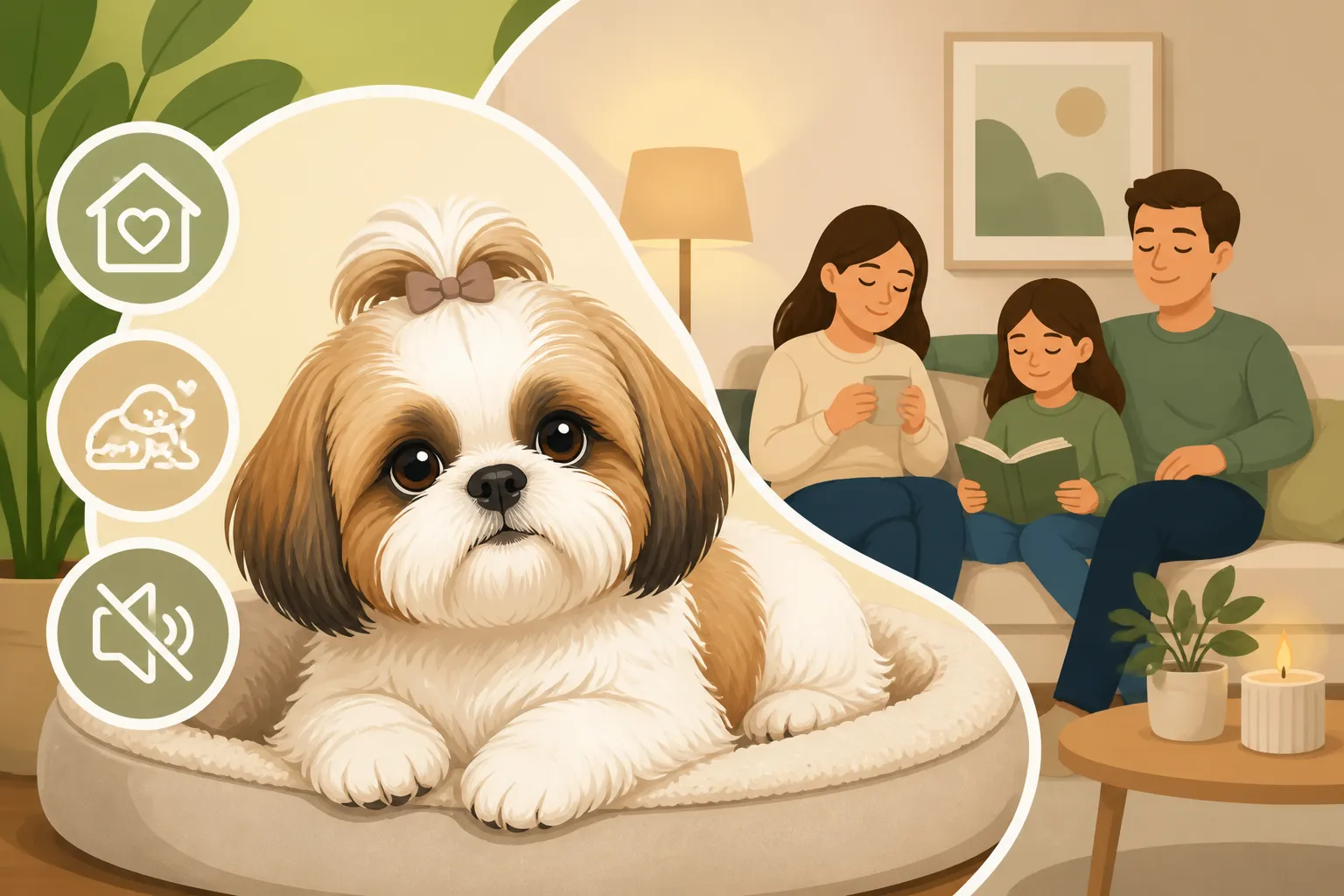
Why a Shih Tzu Suits a Quiet Household
Bringing a new furry family member into your home is a big decision, and it’s natural to want to understand if a particular breed will truly thrive in your specific living situation. Many people are drawn to the adorable, fluffy Shih Tzu, but they often wonder if their home environment, especially if it's generally quiet, is truly the best fit. This guide will delve into why the Shih Tzu, with its unique history and charming personality, often flourishes most beautifully in a calm and peaceful household.
Understanding the Shih Tzu's Innate Temperament
The Shih Tzu's very essence is rooted in its historical role as a companion, a lap dog designed to bring joy and warmth to imperial palaces. This isn't a breed that was developed for hunting, herding, or guarding; their purpose was purely to be loved and to give love in return. This ancient heritage deeply influences their modern-day temperament, making them inherently suited to a gentle, quiet lifestyle.
Bred for Companionship, Not Hard Labor
Imagine a tiny dog living in the lap of luxury within the Forbidden City, pampered and cherished by emperors and their families. This is the origin story of the Shih Tzu, a breed explicitly cultivated for companionship. They were bred to be decorative, affectionate, and delightful, always preferring a soft cushion or a warm lap to a strenuous day in the field. This history explains why a Shih Tzu often prefers curling up next to you while you read a book or watch a movie, rather than endless hours of fetch in a bustling park. They thrive on close human connection, and that connection often deepens in a tranquil setting where they feel secure and at ease. You can read more about this history in The Shih Tzu From Tibetan Temples to American Homes. Their calm demeanor means they don't demand constant, high-energy entertainment, which can be a huge relief for owners who appreciate a slower pace of life.
The Calming Influence of a Gentle Routine
Shih Tzus, like many companion breeds, often benefit immensely from a predictable, gentle routine. A quiet household naturally lends itself to this kind of consistency. When there aren't sudden loud noises, constant comings and goings, or unexpected disruptions, a Shih Tzu can settle into a rhythm that promotes peace and security. This might mean regular meal times, consistent potty breaks, and designated quiet times for naps. These routines aren't just for practicality; they foster a sense of safety and predictability that a Shih Tzu truly appreciates. In a home where chaos is minimal, a Shih Tzu doesn't have to constantly be on edge, wondering what new, startling event might occur next. This allows their naturally sweet and amiable personality to shine through, making them truly delightful companions.
Sensory Sensitivity in a Shih Tzu
Despite their sometimes boisterous appearance with their flowing hair and playful expressions, Shih Tzus can be surprisingly sensitive to their environment. Their keen senses and often gentle disposition mean that loud noises and sudden movements can be more jarring for them than for some other breeds.
Reactions to Loud Noises and Sudden Movements
Think about a small dog with big, dark eyes that gaze up at you. Now imagine that little dog in a home filled with shouting children, blaring televisions, or constant door slamming. For a Shih Tzu, these situations can be genuinely overwhelming. They can be quite reactive to sudden, loud noises, often startled by unexpected bangs, shouts, or even the abrupt opening of a squeaky door. This isn't necessarily a sign of fear, but rather a reflection of their sensitive nature. In a quiet household, these triggers are minimized, allowing the Shih Tzu to relax and not feel constantly on alert. They can often develop a preference for quiet conversation and gentle movements, appreciating the calm energy that a peaceful home provides. You might notice your Shih Tzu startle at a sudden drop of a pan, or even a sneeze, and a quiet home mitigates the frequency of such events.
The Impact of a Busy Environment on Well-being
A continuously busy or noisy environment can have a real impact on a Shih Tzu's overall well-being. Constant stimulation, even if not overtly threatening, can lead to increased stress and anxiety over time. This might manifest as excessive barking, pacing, or even trying to hide more frequently. In contrast, a quiet home offers a sanctuary, a place where they can truly unwind and feel safe. This doesn't mean they can't handle guests or occasional activity; it simply means their baseline comfort level is higher in a serene setting. If your home has a lot of foot traffic, frequent parties, or active young children who are still learning gentle boundaries, you might find a Shih Tzu more prone to withdrawal or nervousness. Ensuring they have a cozy, quiet retreat, perhaps a soft bed from a place like Chewy, even within a moderately busy home, can make a world of difference for their peace of mind.
Grooming Needs and the Serenity Factor
One of the most defining characteristics of a Shih Tzu is its luxurious double coat. While stunning, this coat demands significant attention, and the grooming process itself can greatly benefit from a calm and patient environment.
The Daily Ritual of Coat Care
Maintaining a Shih Tzu's coat is a daily commitment, not just an occasional chore. Their long, flowing hair is prone to matting and tangling, requiring regular brushing to keep it healthy and beautiful. Imagine trying to gently brush out knots from sensitive skin while loud music is playing or children are running past. This can turn a necessary bonding activity into a stressful ordeal for both you and your dog. In a quiet household, the daily brushing routine becomes a peaceful ritual. It's a time for calm interaction, gentle strokes, and perhaps even a soothing voice. This consistent, low-stress experience makes the Shih Tzu more accepting of grooming, which is crucial for their comfort and health. Without proper daily care, a Shih Tzu's coat can quickly become matted, leading to skin irritation and discomfort. This can also lead to more expensive and stressful grooming visits down the line, often requiring a full shave-down. For a detailed guide on this, check out Brushing a Shih Tzu Double Coat Every Day.
Stress-Free Grooming in a Calm Setting
Beyond the daily brush-out, Shih Tzus require regular baths, nail trims, and often face trims to keep hair out of their eyes. These tasks can be challenging with a wiggly or anxious dog. A quiet home provides the ideal backdrop for introducing and maintaining these grooming habits without undue stress. When there's no rush, no sudden interruptions, and a calm energy, a Shih Tzu is much more likely to stand patiently for a bath or accept having their paws handled. This consistent, positive exposure in a peaceful setting helps them build trust and makes grooming a more pleasant experience overall. Many owners find specific grooming tools, from specialty brushes to gentle shampoos, on Chewy, which can make the process even smoother. This calm environment also applies to professional grooming appointments; a dog accustomed to calm at home will likely handle the groomer's table with less anxiety. A Shih Tzu that panics at grooming can also pose a safety risk, for both themselves (e.g., Restraining a Shih Tzu Without Popping an Eye) and for the groomer.
Health Considerations That Favor Quiet Living
While the Shih Tzu is generally a robust little dog, they do have specific breed characteristics that can make them more susceptible to certain health issues. A quiet, mindful home environment can play a significant role in mitigating some of these risks and ensuring their overall well-being.
Brachycephalic Challenges and Stress
Shih Tzus are a brachycephalic breed, meaning they have a short, flat face. This adorable feature comes with a unique set of challenges, particularly concerning their respiratory system. Their shortened airways can make them prone to breathing difficulties, especially when they are excited, stressed, or overheated. In a busy, high-energy household, a Shih Tzu might experience more frequent episodes of heavy panting, snorting, or even reverse sneezing due to heightened excitement or anxiety. A quiet home reduces environmental stressors that can exacerbate these issues. When they are calm, their breathing is naturally more regular and relaxed, putting less strain on their already compromised airways. It's truly a gift to a brachycephalic dog to live in an environment where they aren't constantly huffing and puffing from over-excitement or fear. This is directly related to Why a Shih Tzu Cannot Cool Itself Well and The Elongated Soft Palate in a Shih Tzu.
Protecting a Delicate Spine
Shih Tzus are known for their relatively long backs in proportion to their short legs, which can make them prone to intervertebral disc disease (IVDD) and other back problems. Sudden jolts, jumps from furniture, or rough play can put undue strain on their delicate spines. In a quiet, calm home, you're naturally more likely to prevent situations that could lead to such injuries. This means carefully managing their environment, providing ramps for beds or sofas, and discouraging roughhousing. A home where calm movements and careful handling are the norm significantly reduces the risk of these painful and potentially debilitating conditions. If a Shih Tzu is constantly jumping off high surfaces or being picked up and put down roughly, the cumulative impact on their spine can be severe. Understanding Shih Tzu Disc Disease and Sudden Back Pain is vital for any owner. This proactive approach in a quiet setting can contribute greatly to a long and comfortable life for your Shih Tzu.
Socialization and Building Confidence
Even a companion breed like the Shih Tzu needs proper socialization to grow into a well-adjusted adult. However, for a breed that thrives in quiet environments, this socialization needs to be handled with particular care and a gentle approach, especially in a calm household.
Gentle Introductions for a Secure Shih Tzu
Socialization for a Shih Tzu isn't about throwing them into every noisy, crowded situation imaginable. Instead, it's about making gentle, positive introductions to new sights, sounds, people, and other calm animals. In a quiet household, you have the perfect environment to control these experiences. You can introduce new people one or two at a time, allowing your Shih Tzu to approach them on their own terms, without feeling overwhelmed by a bustling crowd. Similarly, meeting new dogs should be done in a controlled, calm setting rather than a chaotic dog park. These thoughtful, gradual introductions help build confidence rather than fear or anxiety. A Shih Tzu that feels secure and isn't constantly startled will be much more open to new experiences when they are presented calmly. Remember, the goal is exposure, not immersion, and a quiet home allows for that measured approach. For more on this, consider Socializing a Shih Tzu Without Frightening It.
Avoiding Overwhelm in Puppyhood and Beyond
Puppyhood is a critical time for shaping a dog's personality. For a Shih Tzu, a calm and quiet environment during these formative weeks can lay a strong foundation for a confident, well-adjusted adult. Overwhelm during puppyhood from too much noise or activity can lead to a timid or anxious dog later in life. As they grow, maintaining this calmer environment helps reinforce their sense of security. This doesn't mean they never leave the house or interact with the outside world. It simply means that their home base is a haven, a predictable and peaceful retreat. When they venture out, they do so from a place of security, making them more resilient to the inevitable loud noises or unexpected events they might encounter. For instance, if you have children, teaching them how to interact gently with your Shih Tzu is paramount, especially avoiding situations where a Shih Tzu might hide from loud children. Providing a calm space for your Shih Tzu, especially during their The First Nights With a Shih Tzu Puppy, sets the stage for a happy life.
How a Quiet Home Benefits a Shih Tzu: A Summary
The benefits of a quiet home for a Shih Tzu are truly multifaceted, touching upon their temperament, physical health, and emotional well-being. It creates an environment where they can thrive, feeling secure, loved, and free from undue stress.
| Aspect of Well-being | Impact of Quiet Household | Potential Risk in Busy Household |
|---|---|---|
| Temperament | Fosters a calm, affectionate, and trusting nature | Can lead to timidity, anxiety, or excessive barking |
| Respiratory Health | Reduces triggers for brachycephalic breathing difficulties | Exacerbates panting, snorting, and stress on airways |
| Spinal Health | Minimizes risks of sudden jumps and rough play injuries | Increases chances of disc disease and back problems |
| Grooming Acceptance | Establishes peaceful, positive daily grooming routines | Can make grooming a stressful, resistant experience |
| Socialization | Allows for gentle, controlled introductions, building confidence | Risks overwhelming the dog, leading to fear or withdrawal |
| Overall Stress Level | Promotes a sense of security and relaxation | Leads to chronic stress, vigilance, and nervousness |
In essence, a quiet home allows a Shih Tzu to be the best version of themselves: a truly devoted, happy, and healthy companion.
Disclaimer
This article is for general informational purposes only and does not constitute professional advice. Laws, prices and regulations vary by location and change over time. Consult a qualified professional for guidance on your specific situation.