Why the Shih Tzu Sits in the Toy Group
It’s a common question for new Shih Tzu parents, or even those just admiring these fluffy little dynamos: why exactly are these wonderful dogs categorized into the "Toy Group"? It’s not just about their diminutive size, although that’s certainly a big part of it. Understanding the specific history, physical characteristics, and inherent temperament of the Shih Tzu will make it crystal clear why they proudly sit within this particular classification. This guide will walk you through all the elements that define the Shih Tzu's place in the Toy Group, giving you a deeper appreciation for your little lion dog.
The Historical Role of the Shih Tzu: A Lapdog by Design
To truly understand why the Shih Tzu belongs in the Toy Group, we need to take a delightful journey back in time. These aren't dogs that were ever bred to herd sheep across vast pastures, retrieve ducks from icy waters, or guard sprawling estates with a menacing bark. The Shih Tzu's entire lineage is steeped in luxury and companionship, a purpose that dictated its development and, ultimately, its modern classification.
Ancient Companionship and Imperial Courts
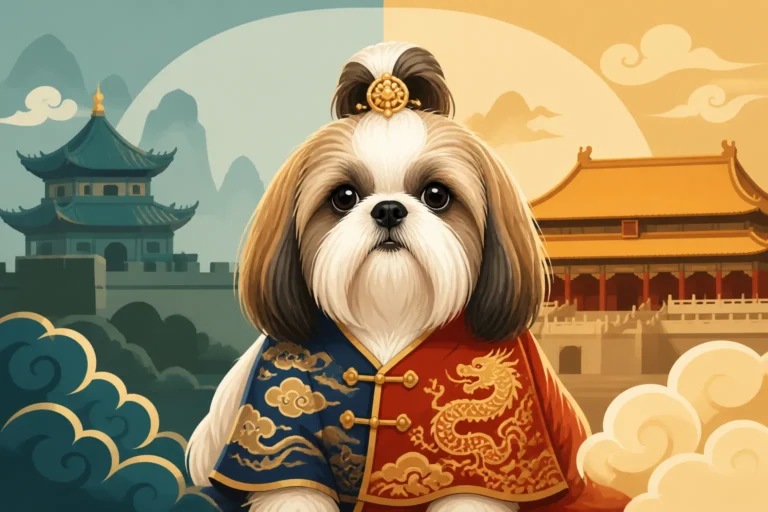
The story of the Shih Tzu begins in the ancient monasteries of Tibet, where these "lion dogs" were revered for their resemblance to the mythical Buddhist lion, a symbol of good fortune and spiritual presence. They were considered sacred, living ornaments, and cherished companions to monks. Imagine a serene monastery, quiet and contemplative; a tiny, gentle dog would fit right in, providing comfort and a warm presence without demanding strenuous activity or space.
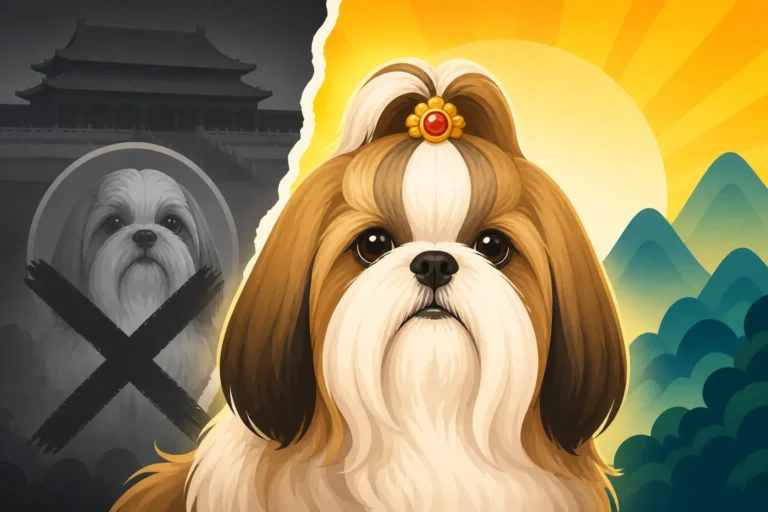
Later, these precious dogs made their way to the Chinese Imperial Court, often as gifts to emperors. Here, their role as pampered companions solidified. They lived lives of immense privilege, doted upon by royalty and court eunuchs who were often tasked with their care. The Forbidden City, with its intricate architecture and delicate furnishings, was no place for a large, boisterous working dog. Instead, the Shih Tzu, small enough to be carried in a sleeve or rest on a silken lap, became the epitome of an aristocratic companion. Their primary "job" was simply to be adorable, affectionate, and present, a living jewel in the palace. This historical context is paramount in understanding The Shih Tzu From Tibetan Temples to American Homes.
The "Lion Dog" and Its Symbolism
Even the nickname "Lion Dog" points to their esteemed, yet non-working, status. In Buddhist lore, lions are symbols of courage, protection, and royalty. While the Shih Tzu’s flowing mane and proud bearing evoked this imagery, it was a symbolic lion, not a literal one meant for the hunt or the guard. Their strength was in their charm and loyalty, not their bite or their endurance.
This symbolic significance meant they were treasured for their aesthetic qualities and their gentle demeanor, rather than any practical application. They were often depicted in art, admired for their luxurious coats and expressive eyes. This spiritual and cultural veneration, combined with their confined, pampered existence within the palace walls, perfectly set the stage for their classification as a toy breed – a dog whose sole purpose, for centuries, has been to bring joy and companionship to its human family. It’s fascinating how deeply this ancient purpose still defines Why Tibetan Monasteries Kept Small Dogs.
Physical Traits That Align With the Toy Group
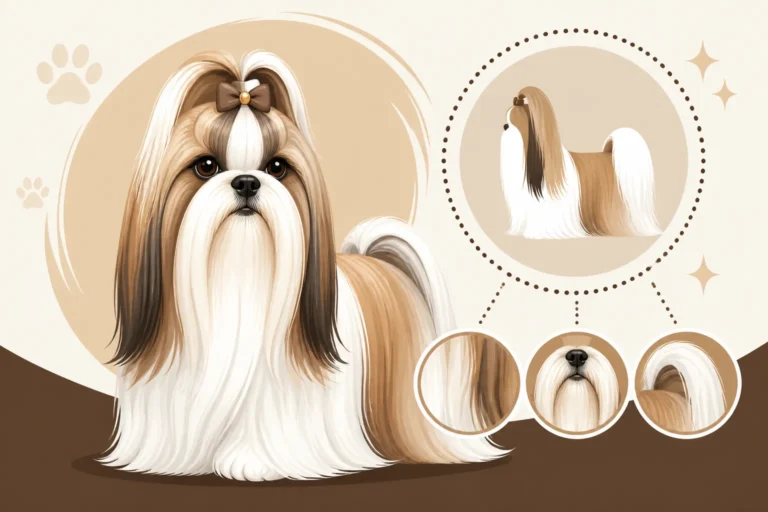
Beyond their history, the physical makeup of a Shih Tzu screams "Toy Group." Every aspect of their body, from their stature to their distinctive facial features, contributes to this classification. They are built for snuggles, not for strenuous tasks, and their very form tells the tale of a dedicated companion.
Compact Size and Delicate Structure
A defining characteristic of any Toy Group dog is its size, and the Shih Tzu certainly fits the bill. Standing usually between 9 to 10.5 inches at the shoulder and weighing a mere 9 to 16 pounds, they are compact and relatively lightweight. This small stature isn't accidental; it was carefully cultivated over generations so they could easily be carried, lifted, and comfortably reside on a lap or cushion.
Their delicate bone structure, while sturdy for their size, means they are not designed for rough play or high-impact activities. A fall from a sofa or a misstep down a flight of stairs can have serious consequences for their long backs, making ramps essential in homes. This fragility is a common trait among many toy breeds, requiring owners to be mindful of potential injuries. It also explains why you'll often see owners using harnesses instead of collars to protect their small necks. You can learn more about their ideal dimensions in Nine to Ten and a Half Inches at the Shoulder and What a Shih Tzu Should Weigh Fully Grown. Finding the right size carrier or ramp on a site like Chewy, for instance, is crucial for their safety and comfort.
Brachycephalic Features and Exercise Needs
The Shih Tzu's charming flat face, medically known as a brachycephalic skull, is another key physical trait that restricts them from more active dog groups. While undeniably adorable, this facial structure comes with a set of physiological considerations. Their shortened airways mean they are less efficient at cooling themselves and can struggle with heavy exercise or heat. You'll often hear them snorting, snoring, or reverse sneezing, all common indicators of their unique respiratory anatomy.
Because of this, a Shih Tzu's exercise needs are typically low to moderate. They thrive on short, gentle walks around the block and plenty of indoor playtime, rather than demanding long hikes or rigorous agility courses. This limited endurance and sensitivity to temperature extremes mean they aren't suited for tasks requiring sustained physical output, further cementing their place in the Toy Group. Their role is to be a loving companion within the comfort of a home, not an outdoor working dog. Understanding Brachycephalic Breathing in a Shih Tzu is vital for any Shih Tzu owner, and adapting their activity level is part of responsible care.
Temperament and Lifestyle of a Toy Group Companion
Beyond their looks and history, the Shih Tzu’s personality and preferred lifestyle are quintessentially "Toy Group." These dogs are bred for interaction, affection, and living in close proximity with their human families, shaping behaviors that define them as ideal companions.
The Ultimate Lapdog Persona
Shih Tzus are renowned for their outgoing, affectionate, and sometimes comical personalities. They truly believe their purpose in life is to love and be loved. They are social creatures who thrive on human attention, often following their owners from room to room, eager to be involved in whatever is happening. They are known for their ability to charm anyone they meet, and their desire for closeness makes them exceptional lapdogs.
While they can certainly be playful and spirited, their core desire is often to be near their people, curled up on a soft blanket, or perched on a lap. This inherent nature means they adapt wonderfully to apartment living or homes without large yards, as long as they get enough quality time and interaction. Their adaptability to various living situations, as long as they are with their human companions, is a hallmark of a toy breed. This strong bond and affectionate nature is at the heart of Shih Tzu Temperament and the Companion It Was Bred to Be.
Adapting to Indoor Life
The Shih Tzu's small size and moderate exercise requirements make them perfectly suited for an indoor lifestyle. They don't need vast outdoor spaces; their needs are met with short walks, indoor games, and plenty of cuddles on the sofa. This makes them ideal for urban dwellers, seniors, or anyone who prefers a dog that is content to be primarily indoors.
However, "indoor life" doesn't mean "no care." Their luxurious double coat requires daily grooming to prevent matting, a task that solidifies their identity as a breed requiring human dedication. This is where tools like specialized brushes and combs, readily available on platforms like Chewy, become indispensable. While they may not be trotting through fields all day, their indoor life is rich with interaction, comfort, and, yes, a good deal of pampering. Their ability to thrive without a large garden is a practical benefit for many owners, as explored in Managing a Shih Tzu Without a Garden. They are dogs designed for the domestic sphere, making them perfect candidates for the Toy Group.
Understanding the AKC Toy Group Classification
Finally, let's zoom out a bit and look at the "Toy Group" itself within the context of major kennel clubs like the American Kennel Club (AKC). This classification isn't arbitrary; it's based on centuries of selective breeding for specific characteristics and purposes.
What Defines the Toy Group
The Toy Group is a distinct category established by kennel clubs to group small companion dogs whose primary purpose is to provide affection and companionship rather than to perform a specific working role. This stands in stark contrast to other groups such as the Working Group (e.g., Boxers, Doberman Pinschers), the Herding Group (e.g., Collies, German Shepherds), or the Sporting Group (e.g., Labrador Retrievers, Golden Retrievers), where breeds are valued for their ability to perform tasks like guarding, herding livestock, or assisting hunters.
Dogs in the Toy Group typically share several common traits:
- Small Stature: They are generally quite small, making them easy to handle, transport, and house in compact living spaces.
- Companion-Oriented Temperament: They are bred to be affectionate, attentive, and highly devoted to their human families. While personalities vary, an aggressive or independent nature is usually not characteristic of the group.
- Lower Exercise Requirements: While all dogs need exercise, toy breeds generally require less intense physical activity compared to larger, working breeds.
- Historical Role: Many have a history as pampered pets for nobility or companions for those living in confined spaces.
The Shih Tzu perfectly embodies these characteristics. They were never meant to be more than a cherished friend, and their place in the Toy Group acknowledges this unique and valuable contribution to human-canine relationships.
Benefits and Considerations of a Toy Breed
Owning a Toy Group dog like a Shih Tzu comes with both wonderful benefits and unique considerations. On the upside, their small size means they consume less food, making their monthly feeding budget often more manageable. They are also highly adaptable to apartment living and are generally easier to travel with, often fitting comfortably in carriers under airplane seats. Their compact nature makes them less intimidating to small children (when properly socialized, of course) and more manageable for elderly owners.
However, there are specific considerations. Their delicate structure means extra care must be taken to prevent injuries, especially from falls or rough play. Grooming can be extensive, as their long, flowing coats are prone to matting without daily attention. Furthermore, some toy breeds, including the Shih Tzu, can be prone to certain health issues related to their specific physical traits, such as brachycephalic respiratory syndrome or eye problems. Regular vet check-ups and proactive care are essential, as are the right grooming supplies found on sites like Chewy. The cost of Shih Tzu Grooming at $50 to $90 a Session is a significant consideration, highlighting the care commitment.
Here's a quick overview of how the Shih Tzu's traits align with the Toy Group:
| Characteristic | Shih Tzu Trait | Why it Fits the Toy Group |
|---|---|---|
| Size & Weight | Small, typically 9-16 lbs and 9-10.5 inches tall | Bred specifically to be carried, sit on laps, and live indoors without requiring large spaces. |
| Purpose | Primarily a companion and lapdog | Historically, never bred for hunting, guarding, or working; solely for human affection and presence. |
| Temperament | Affectionate, outgoing, charming, and adaptable | Thrives on human interaction and close companionship, often eager to please and easily integrated into family life. |
| Exercise Needs | Low to moderate; enjoys short walks and indoor play | Due to their brachycephalic features and delicate structure, they are not built for strenuous, sustained physical activity. |
| Grooming | High maintenance, requires daily brushing for its long double coat | While not exclusive to toy breeds, extensive grooming often correlates with breeds developed for aesthetic appeal and pampered lifestyles. |
| Living Space | Thrives in small homes, apartments, or urban environments | Their size and exercise needs make them ideal for indoor living, without the necessity of large outdoor areas. |
In essence, the Shih Tzu is a living testament to centuries of selective breeding for the sole purpose of being a beloved, comforting, and beautiful companion. This rich history and their perfectly suited physical and temperamental attributes firmly plant them within the cherished ranks of the Toy Group, a designation they wear with undeniable pride and endless affection.
Disclaimer
This article is for general informational purposes only and does not constitute professional advice. Laws, prices and regulations vary by location and change over time. Consult a qualified professional for guidance on your specific situation.