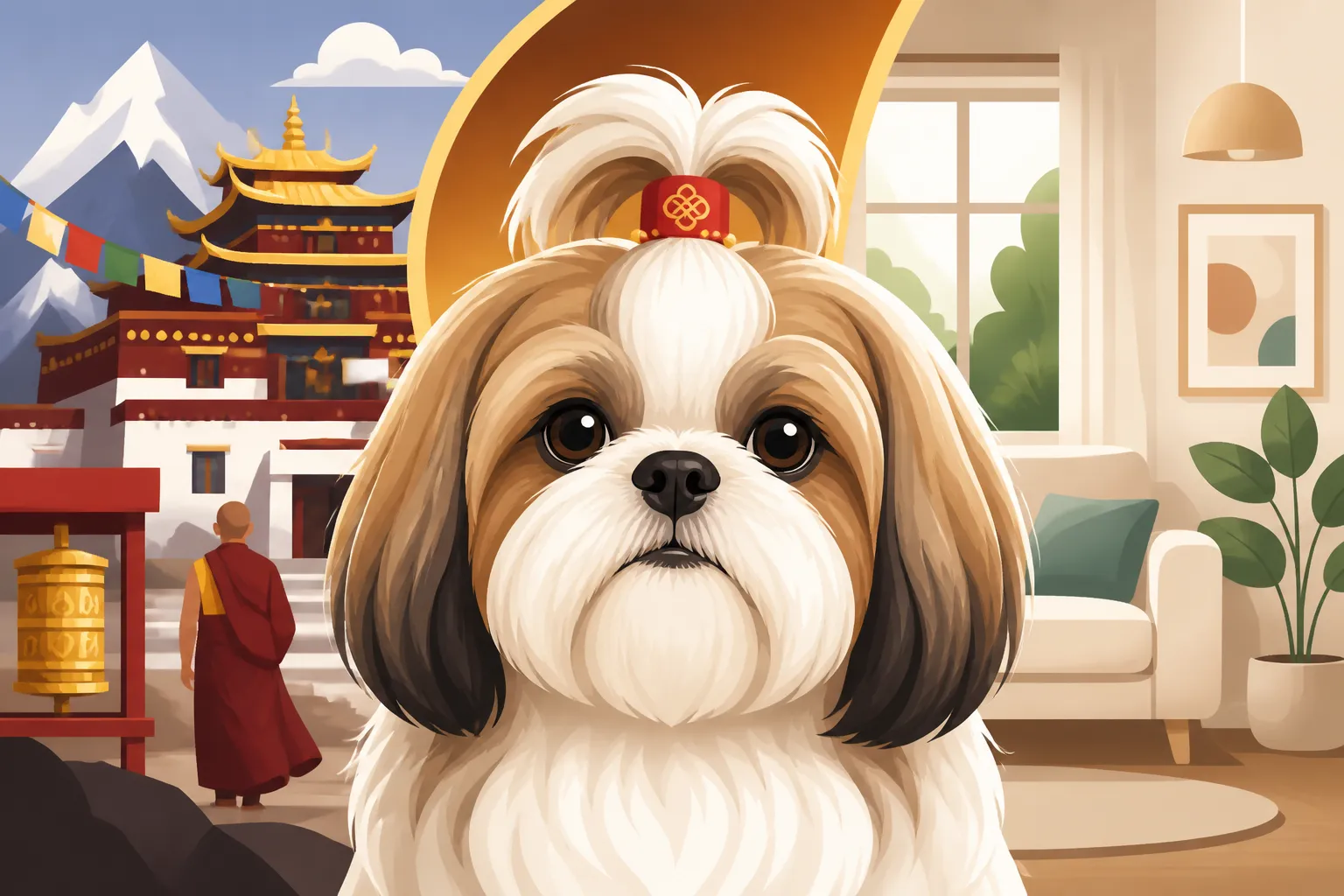
The Shih Tzu From Tibetan Temples to American Homes
It’s easy to look at our fluffy, adorable Shih Tzus curled up on the sofa and imagine they’ve always been pampered household pets. But beneath that luxurious coat and sweet face lies a truly fascinating history, stretching back centuries to the high-altitude monasteries of Tibet and the opulent palaces of Chinese emperors. Many of us are simply unaware of the incredible journey our little companions have taken, and understanding their ancient lineage can shed so much light on their unique personalities and needs today. This guide will walk you through the remarkable story of the Shih Tzu, tracing its origins from sacred "lion dogs" to treasured companions across the globe.
Ancient Origins in the Himalayas and Imperial China
The story of the Shih Tzu isn't just about a cute dog; it's a tale steeped in myth, royalty, and religious significance. Its roots can be found in the rugged mountains of Tibet, where small, lion-like dogs were considered sacred, believed to embody tiny lions and even carry the souls of lamas. These dogs weren't just pets; they were living symbols, revered and protected within the monastic communities.
The Tibetan Lion Dog Connection
Deep within the secluded monasteries of Tibet, long before the Shih Tzu as we know it existed, there were small, sturdy dogs often referred to as "Lion Dogs." These were not aggressive guardians, but rather companions to Buddhist monks, kept for their spiritual significance and warm presence. They were considered sacred, often appearing in religious artwork and folklore, symbolizing the lion, an important figure in Buddhism associated with Buddha himself. Imagine these little dogs, perhaps a bit wilder and less refined than today's Shih Tzus, thriving in the chilly Tibetan air, their thick coats offering protection. They certainly weren't bred for elaborate beauty pageants, but for their spirit and companionship.
The exchange of these revered dogs between Tibet and China began centuries ago, often as gifts or tributes to Chinese emperors. It was a diplomatic gesture of the highest order, signifying respect and goodwill between the two cultures. These early dogs, which would eventually contribute to the Shih Tzu lineage, carried with them not just their physical traits, but also the spiritual aura of their Himalayan homeland. They were precious cargo, transported with immense care, destined for a life of luxury and reverence within the Forbidden City. This exchange is a critical point in understanding how The Tibetan Lion Dog Behind the Breed slowly transformed into the Shih Tzu we adore.
From Tribute to Imperial Palace Dweller
Once these Tibetan Lion Dogs arrived in China, they entered a different world entirely—the lavish imperial court. Here, they were not merely companions but part of the emperor's vast collection of exotic and precious animals. Over generations, through careful and selective breeding, Chinese palace eunuchs and breeders began to refine these dogs. They were crossbred with other native Chinese palace dogs, most notably the Pekingese and possibly the Pug, to develop specific traits that were highly prized by the imperial family. The goal was to create a dog with a distinctive "chrysanthemum face," a broad, round head with hair growing outwards, resembling the flower, and a luxurious, flowing coat.
These palace dogs were given names that reflected their appearance and perceived virtues, and they lived lives of unparalleled indulgence. They ate the finest foods, slept on silk cushions, and were attended by dedicated staff, their every whim catered to. They were bred not for any practical purpose, like hunting or guarding, but purely as companions and symbols of wealth and status. The evolution from a rugged mountain dog to a delicate palace dweller highlights the extreme cultural value placed on these animals, turning them into living treasures. The historical records often refer to them as "lion dogs" due to their impressive mane-like coats and the fierce, yet friendly, expression that belied their small stature. We can see how these ancient practices influenced the lineage when we delve into topics like Shih Tzus Given as Tribute to Chinese Emperors.
The Dynastic Eras and the Shih Tzu's Royal Role
The Shih Tzu's history is inextricably linked with the rise and fall of Chinese dynasties. For centuries, these dogs were almost exclusively confined to the imperial palaces, their existence shrouded in secrecy. They were living, breathing works of art, carefully cultivated and fiercely protected, their rarity only adding to their mystique.
Shih Tzus in the Yuan and Ming Dynasties
While the exact breeding history is a bit hazy through the earliest imperial dynasties, there is strong evidence and artistic representation that small, lion-like dogs resembling the modern Shih Tzu were present during the Yuan Dynasty (1271–1368), founded by Kublai Khan. Venetian explorer Marco Polo, during his travels, made mention of these little "lion dogs" living within the imperial court, demonstrating their established presence and importance. Imagine these dogs sitting proudly beside their royal owners, perhaps even accompanying them on their travels within the vast empire.
The Ming Dynasty (1368–1644) continued this tradition, with further evidence of small, long-haired dogs that share characteristics with the Shih Tzu. Paintings and historical documents from this era often depict emperors and noblewomen with these cherished companions. They were not just pets; they were status symbols, their presence in art reflecting their elevated position within the court. This period saw the continued refinement of the breed, with breeders striving to achieve the ideal "lion dog" appearance that would truly capture the essence of regal beauty and spiritual significance. The selective breeding during these times really cemented the breed's place in history.
The Qing Dynasty and Empress Cixi's Influence
The zenith of the Shih Tzu's imperial reign undoubtedly occurred during the Qing Dynasty (1644–1912), especially under the patronage of the Dowager Empress Cixi (1835-1908). Cixi was a fervent dog lover, and she established an elaborate breeding program within the Forbidden City, meticulously documenting her dogs and even writing guidelines for their care. She had entire palaces dedicated to her dogs, staffed by eunuchs who acted as kennel masters, ensuring every comfort and need was met. Her passion for the breed led to a significant increase in their numbers and a more standardized appearance.
Cixi was particularly fond of the Shih Tzu, alongside Pekingese and Pugs, and often oversaw the breeding process herself, even choosing which dogs were allowed to mate based on their astrological signs. She preferred dogs with specific markings, such as a white blaze on the forehead, which was believed to be a sign of good luck, and a plumed tail that curled proudly over the back. Her meticulous attention to detail and unwavering devotion played a crucial role in shaping the breed into the dog we recognize today. Dowager Empress Cixi and Her Shih Tzu Kennel became legendary, cementing the Shih Tzu's image as the ultimate imperial companion, living a life of utter privilege. She even had her dogs sleep on silk, fed them finely diced meats and vegetables, and trained them to perform tricks and parade before guests.
Near Extinction and the Breed's Remarkable Revival
With the fall of the Qing Dynasty and the tumultuous political landscape of early 20th century China, the Shih Tzu faced its greatest challenge. The once-protected palace dogs were scattered, and the breed teetered on the brink of extinction. It's a miracle that they survived at all.
The Tumultuous Years After the Fall of the Empire
The collapse of the Chinese Empire in 1912 marked a dark period for many imperial traditions, and the Shih Tzu was no exception. The opulence of the Forbidden City gave way to political upheaval, war, and famine. The elaborate palace kennels were disbanded, and many of the imperial dogs, once symbols of power and luxury, were either stolen, killed, or simply left to fend for themselves. Imagine these delicate, pampered creatures, accustomed to a life of complete comfort, suddenly thrust into a chaotic and dangerous world. It's heartbreaking to consider how many must have perished.
For decades, the breed’s survival hung by a thread. There were no longer dedicated eunuchs to meticulously manage their breeding and care, and the secrets of their lineage were lost as the imperial court dissolved. Only a handful of individuals, often foreigners living in Peking (now Beijing), recognized the unique beauty and historical significance of these dogs and managed to acquire a few specimens. These were truly dark times, where the very existence of the Shih Tzu was threatened by the rapid and violent changes sweeping through China. It's a stark reminder of how vulnerable even the most cherished breeds can become in times of strife.
Rebuilding the Breed from a Handful of Survivors
It's a testament to the resilience of the breed, and the dedication of a few passionate individuals, that the Shih Tzu was saved from complete annihilation. The breed’s modern foundation can largely be traced back to just fourteen dogs – seven males and seven females – that were imported to England, Norway, and other Western countries in the 1930s. These dogs, carefully selected from the few remaining specimens found in and around Peking, became the genetic bedrock for every Shih Tzu alive today. It's an incredible bottleneck in their history, meaning that all contemporary Shih Tzus share a very small and precious gene pool. How Fourteen Dogs Rebuilt the Shih Tzu is a truly remarkable story of conservation against all odds.
These early importers, often wives of diplomats stationed in China, meticulously documented the pedigrees they could obtain and began careful breeding programs to ensure the survival and propagation of the breed. They understood the immense historical and cultural value of these dogs and dedicated themselves to their preservation. Without their foresight and commitment, the Shih Tzu might have been lost to history forever. This small group of founders provided the genetic blueprint, but also the physical manifestation of the breed's beauty and charm, setting the stage for its global spread.
The Shih Tzu Arrives in the Western World
Once rescued from the brink in China, the Shih Tzu began its journey westward, captivating dog enthusiasts and families across Europe and eventually, America. Their exotic beauty and charming personalities quickly won hearts, marking a new chapter in their long history.
Early Arrivals in Europe
The very first Shih Tzus to arrive in Europe landed primarily in England and Norway in the late 1920s and early 1930s. These dogs were brought back by travelers and diplomats who had encountered them in China and been enchanted by their regal bearing and sweet nature. It was quite a novelty to see these "lion dogs" in European drawing rooms, so different from the working breeds and terriers more common at the time. The initial response was a mix of awe and curiosity, and these dogs quickly became highly sought after by those who could appreciate their unique charm. The First Shih Tzus in England and Norway truly paved the way for the breed's global popularity.
The breed was initially confused with other similar-looking Tibetan breeds, like the Lhasa Apso, which had also made their way to Europe. It took dedicated efforts from early breeders and enthusiasts to establish the Shih Tzu as a distinct breed with its own unique characteristics and history. Breed clubs were formed, standards were drawn up, and meticulous records were kept to ensure the integrity of the lineage. This period was crucial for solidifying the Shih Tzu’s identity in the Western dog world, moving it from an exotic curiosity to a recognized and cherished breed. Many early European Shih Tzus, like those brought over by Lady Brownrigg, were instrumental in shaping the foundational stock.
Crossing the Atlantic to America
While Europe was the first stop for the Shih Tzu outside of Asia, it wasn't long before these charming dogs caught the eye of American enthusiasts. Shih Tzus began arriving in the United States in the mid-20th century, often brought back by returning servicemen from World War II or by individuals who had seen them in England or other parts of Europe. Their unique look and affectionate disposition made them instant hits, particularly with families looking for a delightful companion dog.
Initially, the breed was quite rare in America, with only a small number of dedicated breeders working to establish its presence. However, as more people discovered their charms, their popularity steadily grew. The increasing accessibility of international travel and communication also played a role, allowing more individuals to learn about and acquire these special dogs. The demand for Shih Tzus began to rise, slowly but surely, laying the groundwork for their eventual widespread recognition and beloved status in American households. This was a slow but steady ascent for a breed that had once been confined to imperial palaces.
Establishing the Breed in American Homes and Kennels
The journey from a rare import to a household name was a significant one for the Shih Tzu in America. This era saw formal recognition, a boom in popularity, and the establishment of robust breeding and showing communities that shaped the breed's future.
AKC Recognition and Popularity
The American Kennel Club (AKC) officially recognized the Shih Tzu in 1969, a pivotal moment for the breed in the United States. This recognition meant that Shih Tzus could now compete in AKC dog shows, which significantly boosted their profile and appeal among the general public. It provided a clear standard for breeders to follow and offered a formal platform for the breed to gain wider acceptance and visibility. For breeders, this was a culmination of years of hard work, careful breeding, and dedicated advocacy for these wonderful dogs. AKC Recognition of the Shih Tzu in 1969 truly legitimized the breed in the American dog fancy.
Following AKC recognition, the Shih Tzu’s popularity soared. Their outgoing and friendly temperament, combined with their striking appearance, made them an ideal family pet. They quickly became a favorite among those living in apartments or smaller homes, as they don't require vast amounts of exercise and are content with indoor living. This surge in popularity also led to more Shih Tzus being bred, and while this helped spread the breed, it also brought challenges related to responsible breeding practices, which owners often consider when looking at Shih Tzu Puppy Prices and Where the Money Goes.
The Modern American Shih Tzu
Today, the Shih Tzu is one of America's most beloved companion breeds, consistently ranking high in popularity. They are cherished for their affectionate nature, playful spirit, and undeniable charm. You'll find them in homes across the country, often serving as devoted lap dogs, enthusiastic greeters, and loyal shadows to their human families. Their adaptable personalities make them suitable for a wide range of living situations, from bustling city apartments to quiet suburban houses.
While their luxurious long coats still captivate, many modern Shih Tzu owners opt for the more practical "puppy cut" to make grooming more manageable. Regardless of their haircut, the core traits that made them imperial favorites – their gentle disposition, intelligence, and unwavering desire for companionship – remain the defining characteristics of the breed. They are truly purpose-bred companions, thriving on human interaction and attention. Many owners find themselves regularly visiting online stores like Chewy for grooming supplies, special small-breed food, or even toys designed for their Shih Tzu's particular needs.
Why This Ancient History Matters to Today's Owners
Understanding the Shih Tzu's long and regal history is more than just a fun fact; it offers profound insights into their modern temperament, care requirements, and why they are the way they are. Their past shapes their present, and recognizing this connection can help us be better, more empathetic owners.
Understanding Temperament Through Ancestry
The Shih Tzu's historical role as a pampered palace companion, bred exclusively to sit on laps and provide affection, profoundly influences their temperament today. Unlike breeds developed for hunting, herding, or guarding, Shih Tzus were literally engineered for companionship. This lineage explains why they are generally so affectionate, outgoing, and thrive on human interaction. They were bred to be constantly around people, to charm and entertain, and to be showered with attention. This deep-seated desire for connection means that a Shih Tzu left alone for long periods may struggle with separation anxiety, or simply be unhappy. They aren't aloof; they are quite literally bred to be your shadow and your most devoted fan.
Their heritage also explains their generally non-aggressive nature. There was no need for them to be fierce or independent; their survival depended on their charm and ability to be loving companions. This makes them wonderful family pets, typically good with respectful children and other animals, although early Shih Tzu Socialization Deadline is always beneficial. When your Shih Tzu insists on being on your lap, or greets every stranger with a wagging tail, remember that this isn't just a quirk of your dog; it's a centuries-old instinct honed in the imperial courts of China. Their entire being is designed for the intimate bond they form with their human family.
Grooming and Care Reflecting Its Past
The Shih Tzu's opulent double coat, once a symbol of imperial luxury, continues to demand significant grooming attention today. In the palaces, eunuchs would have spent hours tending to their coats, ensuring they were tangle-free and gleaming. This long, flowing hair wasn't just for show; it also helped protect them from the elements, both the chill of Tibetan monasteries and the climate within the palaces. Today, that same coat requires daily Brushing a Shih Tzu Double Coat Every Day to prevent painful mats and tangles. Without consistent care, their coats can quickly become matted, leading to skin issues and discomfort.
Their brachycephalic (flat) face, another trait cultivated for aesthetic appeal and once seen as a sign of nobility, comes with its own set of care considerations. The short snout means they are prone to Brachycephalic Breathing in a Shih Tzu, cannot regulate their temperature as efficiently as other breeds, and their prominent eyes are susceptible to problems like Shih Tzu Corneal Ulcers and Dry Eye. Regular cleaning around their eyes and nose folds, often with specific tear stain removers available from pet supply retailers like Chewy, is essential to prevent irritation and infection. Understanding that these unique physical traits have historical roots helps us appreciate the specific care these special dogs need, recognizing that their beauty requires diligent upkeep.
The Role of Responsible Breeding Today
Understanding the Shih Tzu's history also highlights the importance of responsible breeding practices. Given the small number of founding dogs that rebuilt the breed, genetic diversity can be a concern. This makes health testing crucial for modern breeders to ensure they are producing healthy puppies and minimizing the risk of inherited conditions common in the breed. Conditions like patellar luxation, hip dysplasia, and certain eye conditions, while not solely unique to Shih Tzus, are important for breeders to screen for.
Prospective owners should always seek out reputable breeders who prioritize health and temperament, are transparent about their dogs' lineage, and conduct appropriate health screenings. Organizations like the AKC and various Shih Tzu breed clubs advocate for these responsible practices. When looking for a puppy, asking about health clearances for the parents is essential. A truly dedicated breeder understands that they are not just selling a pet, but carrying on a centuries-old legacy, and their role in maintaining the health and integrity of the breed is paramount. This insight helps future owners make informed decisions when considering bringing a Shih Tzu into their home, ensuring they support the continued health of this ancient lineage. You can find more information about these considerations in articles like Health Testing a Shih Tzu Breeder Should Do.
Here's a quick look at some key historical aspects and their modern implications:
| Historical Role/Trait | Modern Implication/Care Need |
|---|---|
| Tibetan Lion Dog (Sacred Companion) | Deep need for human companionship; prone to separation anxiety. |
| Imperial Palace Dweller (Pampered) | Loves comfort and luxury; adapts well to indoor living. |
| Chrysanthemum Face (Aesthetic) | Brachycephalic breathing concerns; prone to overheating; eye issues. |
| Luxurious Double Coat (Status Symbol) | Requires daily brushing to prevent mats; regular professional grooming. |
| Small Gene Pool (Rebuilt from 14 dogs) | Importance of health testing in breeding to avoid genetic issues. |
Disclaimer
This article is for general informational purposes only and does not constitute professional advice. Laws, prices and regulations vary by location and change over time. Consult a qualified professional for guidance on your specific situation.