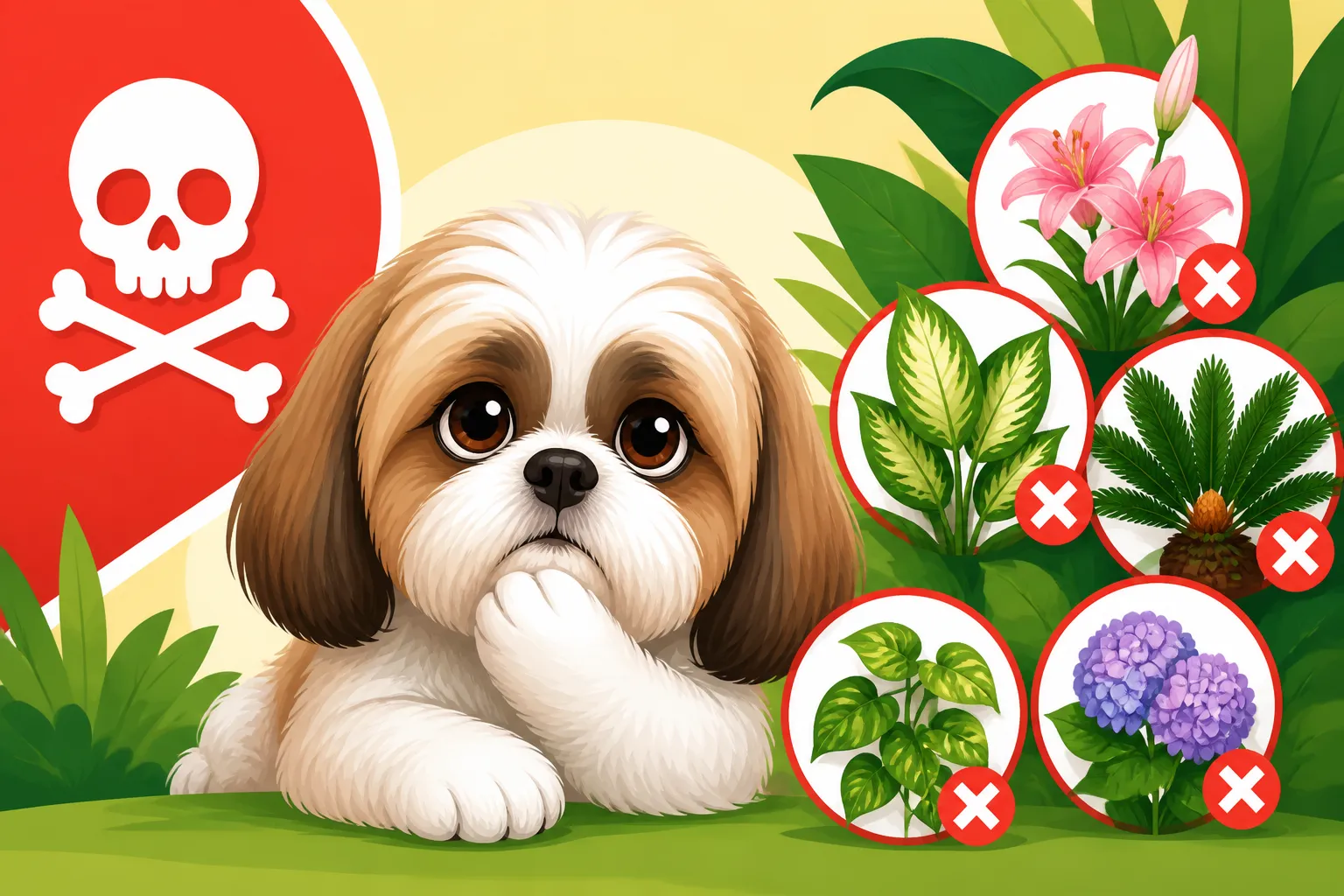
Garden Plants Dangerous to a Shih Tzu
It's wonderful to imagine your beloved Shih Tzu frolicking safely in your garden, a serene extension of your home. But the truth is, our carefully cultivated outdoor spaces can harbor hidden dangers for our curious little companions. The worry is real: what if your sweet pup, with their low-to-the-ground sniffing and tendency to mouth everything, ingests something harmful? This comprehensive guide is here to shed light on common garden plants that pose a threat to your Shih Tzu, help you recognize the signs of poisoning, and empower you to create a safer haven for them.
Understanding the Risk: Why Shih Tzus and Toxic Plants Don't Mix
You might think a little nibble won't hurt, but for a small dog like a Shih Tzu, even a seemingly innocuous plant can cause significant problems. Their diminutive size, combined with a natural curiosity and tendency to explore with their mouths, makes them particularly vulnerable. It's not just about eating a whole plant; sometimes, just a few leaves or petals can be enough to trigger a severe reaction.
Why Shih Tzus Are Especially Vulnerable
Shih Tzus are a toy breed, which means their body weight is quite low. This is a critical factor when it comes to toxins. A dose of a toxic substance that might cause only mild discomfort in a larger dog could be life-threatening for a Shih Tzu. Their small stomachs, rapid metabolism, and often sensitive digestive systems mean they can react more intensely and quickly to ingested poisons. Moreover, their long flowing hair can sometimes pick up plant particles or pollen, which they then might ingest during grooming, adding another layer of risk. We often talk about What Two Extra Pounds Do to a Shih Tzu in terms of joint health, but even tiny amounts of toxins are magnified in a small frame.
Common Ways a Shih Tzu Might Ingest Plants
Our Shih Tzus are inveterate sniffers and explorers. When they're out in the garden, they're not just admiring the blossoms; they're investigating every scent and texture.
- Chewing and Mouthing: Puppies, especially, tend to chew on anything and everything as they explore their world or ease teething discomfort. An adult Shih Tzu might chew out of boredom, curiosity, or simply because a plant's texture appeals to them.
- Accidental Contact: Even without direct ingestion, a Shih Tzu might brush against a plant, pick up sap or pollen on their fur or paws, and then lick it off during self-grooming. This is particularly relevant for plants that cause skin irritation or allergic reactions.
- Digging and Root Exposure: Some Shih Tzus love to dig. If they unearth a toxic bulb or root, they might chew on it before you even notice.
- Wind-Blown Debris: Fallen leaves, seeds, or berries from a toxic plant can blow into areas where your Shih Tzu plays. A curious sniff can quickly turn into an accidental taste.
Identifying Common Toxic Garden Plants
Knowing which plants are dangerous is the first step in prevention. It can feel overwhelming to list them all, but focusing on the most common offenders can make a big difference. Many of these beautiful plants are staples in American gardens, so don't feel bad if you have them – the key is awareness and management.
Flowering Plants That Are Dangerous
So many of our most beloved flowers are surprisingly toxic to pets. Here are a few that often cause trouble:
- Lilies (especially true lilies like Easter Lily, Tiger Lily, Asiatic Lily): These are extremely toxic, particularly to cats, but can cause severe kidney damage in dogs too. Every part of the plant is dangerous, even the pollen. Symptoms can include vomiting, lethargy, and loss of appetite.
- Azaleas and Rhododendrons: These beautiful shrubs contain grayanotoxins that affect cardiac and skeletal muscle, as well as the central nervous system. Ingestion can lead to vomiting, diarrhea, drooling, weakness, and even cardiovascular collapse.
- Tulips and Hyacinths: The bulbs are the most toxic part, but ingestion of any part can cause severe gastrointestinal upset, intense drooling, and even cardiac issues if large amounts are eaten. If your Shih Tzu is a digger, be extra cautious with these.
- Oleander: All parts of this plant are highly poisonous, containing cardiac glycosides that can be fatal even in small quantities. Symptoms include severe gastrointestinal upset, tremors, and potentially life-threatening heart abnormalities.
- Daffodils: Similar to tulips, the bulbs are the most dangerous, but leaves and flowers can also cause vomiting, diarrhea, abdominal pain, and cardiac arrhythmias.
- Sago Palm: This ornamental plant, often found in warmer climates or as a houseplant moved outdoors, is incredibly toxic. The seeds (nuts) are the most dangerous, but all parts contain cycasin, which can cause liver failure, neurological damage, and severe gastrointestinal issues.
- Foxglove: Contains cardiac glycosides that can disrupt heart function, leading to vomiting, diarrhea, weakness, and potentially fatal cardiac arrhythmias.
Shrubs, Trees, and Other Greenery
It's not just the pretty flowers we need to watch out for. Many common landscape plants can also be hazardous.
- Yew (all parts, especially seeds): Yew contains taxines, which are highly toxic to the heart and nervous system. Ingestion can cause tremors, difficulty breathing, seizures, and sudden death.
- Castor Bean: Contains ricin, one of the most potent plant toxins known. Even a small amount of chewed seeds can cause severe abdominal pain, vomiting, diarrhea, weakness, tremors, and seizures, progressing to organ failure.
- Ivy (English Ivy, Boston Ivy, Devil's Ivy): While decorative, the leaves and berries can cause gastrointestinal upset, drooling, vomiting, and diarrhea.
- Autumn Crocus: Not to be confused with spring crocus, this plant contains colchicine, a highly toxic alkaloid. Symptoms are severe and include gastrointestinal bleeding, kidney and liver damage, bone marrow suppression, and respiratory arrest.
- Wisteria: The seeds and pods contain lectin and wisterin, which can cause severe gastrointestinal upset, vomiting (sometimes bloody), diarrhea, and depression.
- Rhubarb: While we eat the stalks, the leaves of rhubarb contain oxalates that can cause tremors, kidney problems, and excessive drooling if ingested.
Common Produce and Herbs in the Garden
Many of us love to grow our own food, and while that's fantastic, some garden edibles are off-limits for our furry friends. You already know about Kitchen Foods That Are Toxic to a Shih Tzu, but some of these start right outside.
- Onions, Garlic, Leeks, Chives: These all belong to the Allium family and are toxic to dogs, causing damage to red blood cells and leading to anemia. Symptoms can appear days after ingestion and include lethargy, weakness, pale gums, and dark urine.
- Tomatoes (unripe fruit and green parts of the plant): The green parts of the tomato plant and unripe tomatoes contain solanine, which can cause severe gastrointestinal upset, lethargy, weakness, and neurological symptoms. Ripe red tomatoes are generally fine in moderation, but it's best to keep your Shih Tzu away from the plants themselves.
- Potatoes (green parts, sprouts, raw green potatoes): Like tomatoes, the green parts and sprouts contain solanine and can cause similar symptoms. Cooked, plain potato flesh is usually safe.
- Avocado: The leaves, fruit, seeds, and bark of avocado contain persin, which can cause vomiting and diarrhea in some dogs. While some dogs are more resistant than others, it's best to avoid it.
Useful Table of Common Toxic Garden Plants
Here's a quick reference table for some of the most common toxic garden plants and their primary concerns for a Shih Tzu:
| Plant Name | Toxic Part(s) | Primary Symptoms for Shih Tzus | Level of Danger |
|---|---|---|---|
| Azalea/Rhododendron | All parts | Vomiting, diarrhea, drooling, weakness, cardiac issues | High |
| Castor Bean | Seeds/pods | Severe GI upset, tremors, seizures, liver failure | Extreme |
| Daffodil | Bulbs, leaves | Vomiting, diarrhea, abdominal pain, cardiac issues | Moderate to High |
| Foxglove | All parts | Vomiting, diarrhea, weakness, heart arrhythmias | High |
| Hyacinth | Bulbs (mainly) | Severe GI upset, drooling, cardiac issues | Moderate to High |
| Ivy (English, etc.) | Leaves, berries | Vomiting, diarrhea, drooling, abdominal pain | Mild to Moderate |
| Lilies (True Lilies) | All parts (pollen) | Vomiting, lethargy, kidney failure | Extreme |
| Oleander | All parts | Severe GI upset, tremors, heart abnormalities | Extreme |
| Onions/Garlic | All parts | Lethargy, weakness, pale gums, dark urine (anemia) | Moderate to High |
| Rhubarb | Leaves | Tremors, kidney problems, excessive drooling | Moderate |
| Sago Palm | All parts (seeds) | Liver failure, neurological damage, severe GI upset | Extreme |
| Tomato (unripe/green) | Green parts, unripe | GI upset, lethargy, weakness, neurological symptoms | Moderate |
| Tulip | Bulbs (mainly) | Severe GI upset, drooling, cardiac issues | Moderate to High |
| Yew | All parts (seeds) | Tremors, breathing difficulty, seizures, sudden death | Extreme |
This table is not exhaustive. Always assume a plant is unsafe if you are unsure.
Recognizing Symptoms and Taking Immediate Action
Even with the best precautions, accidents can happen. It's crucial to know what to look for and what to do if you suspect your Shih Tzu has ingested something toxic. Early intervention can make a significant difference in outcome.
Signs of Plant Poisoning in Shih Tzus
The symptoms of plant poisoning can vary widely depending on the plant, the amount ingested, and your Shih Tzu's individual sensitivity. However, there are some common signs to watch for:
- Gastrointestinal Distress: This is often the first and most common symptom. Look for vomiting, diarrhea (which may be bloody), excessive drooling, loss of appetite, abdominal pain, or changes in stool consistency.
- Lethargy and Weakness: Your normally energetic pup might seem unusually tired, slow to respond, or unsteady on their feet.
- Neurological Symptoms: Tremors, seizures, disorientation, stumbling, muscle twitching, or unusual behavior (like hyperactivity followed by depression) can indicate neurological involvement.
- Cardiac Issues: Changes in heart rate (either too fast or too slow), difficulty breathing, or pale or bluish gums can point to heart problems.
- Skin Irritation: Redness, itching, swelling, or rashes around the mouth, nose, or paws could be a reaction to external contact with a toxic plant.
- Increased Thirst or Urination: This can be a sign of kidney damage, especially with certain toxins like lilies.
Keep in mind that some symptoms might be delayed, appearing hours or even days after ingestion. Always consider recent outdoor activity if your Shih Tzu suddenly seems unwell.
First Aid Steps and Professional Help
If you suspect your Shih Tzu has eaten a toxic plant, don't panic, but act quickly.
- Remove the Plant: Immediately remove your Shih Tzu from the area and take away any remaining plant material from their mouth or fur. Don't induce vomiting unless specifically instructed by a veterinarian, as some toxins can cause more harm coming back up, or your dog could aspirate.
- Identify the Plant (if possible): If you can, try to identify the plant your Shih Tzu ate. Take a photo of the plant, including leaves, flowers, or berries, or even collect a small sample in a bag. This information is invaluable to your vet.
- Call Your Vet Immediately: This is the most critical step. Don't wait for symptoms to worsen. Have your vet's number, and perhaps a 24-hour emergency vet clinic number, readily available. Explain what happened, identify the plant if you can, and describe any symptoms you're seeing. The sooner you call, the better the prognosis often is. Your vet is the expert on Who to Ring When a Shih Tzu Eats Something Bad.
- Consider Pet Poison Control: Services like the ASPCA Animal Poison Control Center or the Pet Poison Helpline offer immediate, expert advice for a fee. They can often tell you if a specific plant is toxic and guide you on the next steps, often coordinating directly with your veterinarian. This is an excellent resource for situations when your regular vet might be closed or if you need highly specialized information.
Preventative Measures
Prevention is always better than cure. Creating a safe environment and teaching your Shih Tzu good habits will go a long way.
- Garden Audit: Take a careful look at your garden. Identify any plants on the toxic list and decide whether to remove them, fence them off, or replace them with pet-safe alternatives. Many garden centers can help you find non-toxic options.
- Supervision: Always supervise your Shih Tzu when they are in the garden, especially if you have plants you're unsure about. A short leash walk through the yard, using a comfortable harness that doesn't mat their coat, like options found on Chewy or Amazon, can be a great way to let them enjoy the outdoors safely.
- "Leave It" Command: Teach your Shih Tzu the "leave it" command. This can be a lifesaver, allowing you to quickly divert their attention from something they shouldn't touch or eat. Start practicing indoors with treats and toys, then gradually move to the garden. Shih Tzu Puppy Training Month by Month should definitely include this vital command.
- Physical Barriers: Use fencing, decorative borders, or raised garden beds to create barriers between your Shih Tzu and potentially harmful plants. You can find flexible fencing solutions from retailers like Amazon that can be easily installed.
- Safe Alternatives: Plant pet-friendly options like pet grass, catnip (for cats, but dogs can enjoy it too!), basil, rosemary, or sunflowers. This gives your Shih Tzu safe things to sniff and explore.
- Check Products: Be mindful of what you're bringing into your garden. Always check plant labels for toxicity warnings, and opt for pet-safe fertilizers and pest control products.
Creating a Safe Outdoor Space for Your Shih Tzu
Your garden should be a place of joy and relaxation for both you and your Shih Tzu, not a source of anxiety. With a bit of planning and care, you can transform it into a truly pet-friendly paradise.
Pet-Friendly Plant Alternatives
Once you've identified and removed or cordoned off toxic plants, consider replacing them with beautiful, non-toxic options. There are plenty of wonderful choices that are safe for your furry friend:
- Flowers: Petunias, Snapdragons, Roses (thorn-free varieties or trimmed carefully), Sunflowers, African Violets, and Marigolds are generally considered safe. Many common herbs like basil, rosemary, and thyme are also non-toxic and add lovely scents to your garden.
- Shrubs: Certain varieties of viburnum, dogwood, and spirea can be good choices. Always verify the specific species, as varieties within a genus can differ in toxicity.
- Ground Cover: Creeping thyme, pet-safe sedum varieties, or even just plain grass can provide lovely, safe ground cover. You could even create a dedicated "sniffing garden" with safe herbs and flowers for your Shih Tzu to explore freely.
- Herbs and Veggies: Basil, rosemary, mint (in moderation), parsley, cilantro, carrots, and green beans are all generally safe for dogs. Just ensure your Shih Tzu doesn't eat too much of any one thing, and avoid the toxic parts of plants like tomato leaves.
Remember, even non-toxic plants can cause mild stomach upset if ingested in large quantities, so moderation and supervision are still key.
Physical Barriers and Supervision
Sometimes, removing every single problematic plant isn't feasible, or you might have a particularly valuable specimen you can't part with. This is where strategic barriers come into play.
- Fencing: Low ornamental fencing can create a physical separation between your Shih Tzu's play area and your flower beds. This doesn't have to be a tall, imposing fence; even a foot or two of height can be enough to deter a small dog like a Shih Tzu. Look for options on Chewy or Amazon that are easy to install and blend with your garden aesthetic.
- Raised Beds: Planting flowers and herbs in raised garden beds can keep them out of reach of your Shih Tzu's curious nose and mouth. This is a fantastic solution for small spaces or for growing vegetables.
- Patio Pots and Hanging Baskets: Many toxic plants, such as lilies, can be grown in pots or hanging baskets where your Shih Tzu cannot access them. Just be mindful of fallen leaves or petals if a strong wind comes through.
- Close Supervision: This remains the most effective barrier. When your Shih Tzu is in the garden, keep a close eye on them. This isn't just about preventing plant ingestion; it's also about ensuring they don't get into trouble with insects, other garden critters, or escape the yard. For short bathroom breaks, even a leashed walk to their designated potty spot can be safer.
Training and Management Techniques
Beyond physical barriers, training and consistent management are powerful tools in keeping your Shih Tzu safe.
- Designated Potty Area: Train your Shih Tzu to use a specific potty area that is clear of any potentially toxic plants. This reduces their need to wander through densely planted areas.
- "Leave It" and "Drop It" Commands: Reinforce these commands consistently. "Leave it" is essential for when they sniff something they shouldn't, and "drop it" is for when they already have something in their mouth. Using high-value treats (like small pieces of cooked chicken or a favorite training treat) as rewards makes these commands very effective. Treat Sizes That Suit a Shih Tzu are perfect for this kind of training.
- Engaging Play: Provide your Shih Tzu with plenty of safe, stimulating toys and engaging play opportunities. If they are well-exercised and mentally stimulated, they may be less inclined to seek out plants for entertainment. Indoor play with puzzle feeders can be a great alternative if your garden isn't fully safe yet, keeping them happy and occupied.
- Consistent Routines: A predictable routine for walks, meals, and playtime can help reduce anxiety or boredom that might lead to exploring undesirable garden elements.
- Professional Help: If you find your Shih Tzu has an uncontrollable urge to chew on plants, despite your best efforts, consider consulting with a professional dog trainer or a veterinary behaviorist. They can offer tailored strategies and help address underlying behavioral issues.
By taking these steps, you can create a beautiful and thriving garden that you and your Shih Tzu can enjoy together, worry-free.
Disclaimer
This article is for general informational purposes only and does not constitute professional advice. Laws, prices and regulations vary by location and change over time. Consult a qualified professional for guidance on your specific situation.