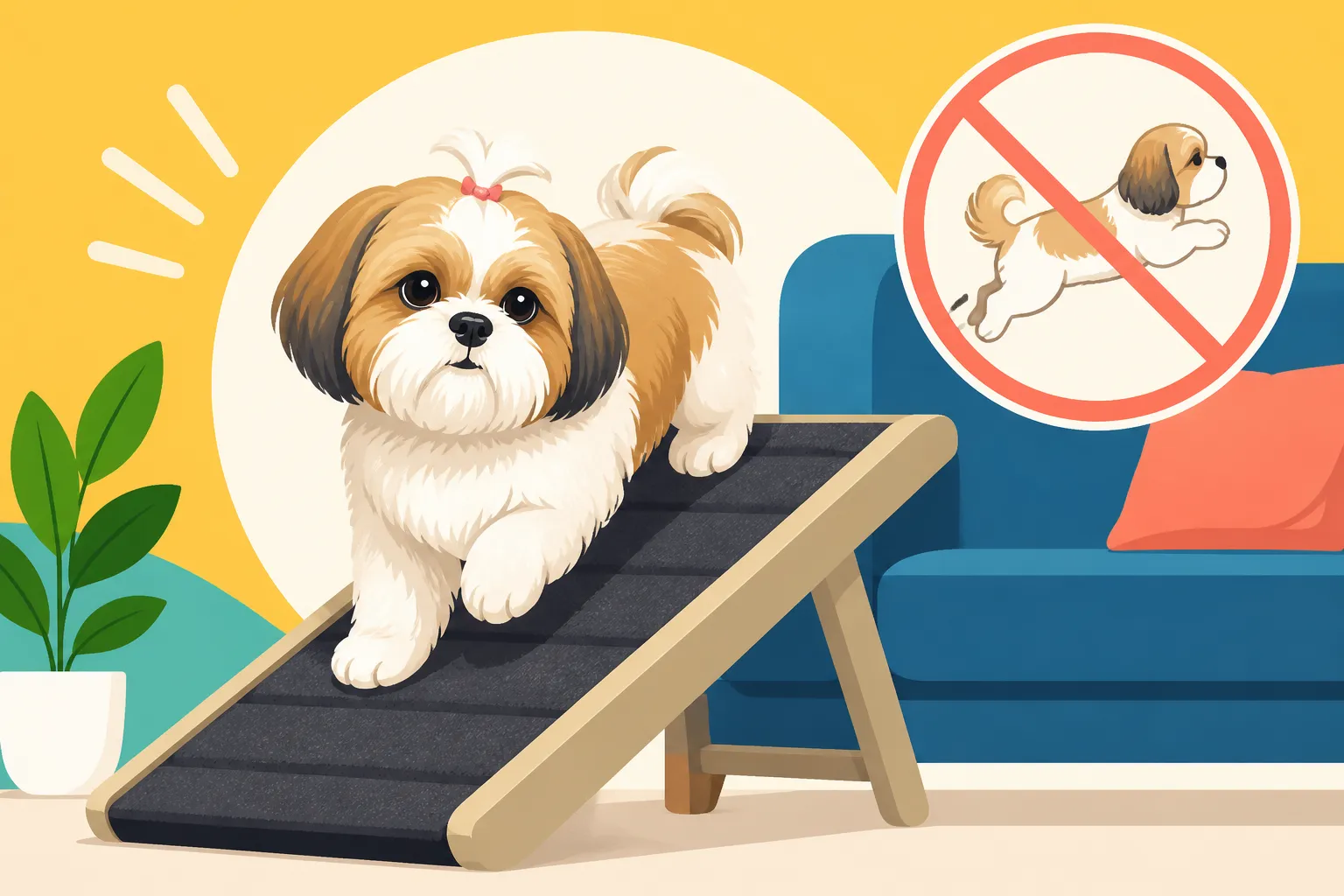
Ramps That Keep a Shih Tzu Off the Jump
It’s a sight many Shih Tzu owners know well: your little companion, with their spirited personality, deciding that the sofa, bed, or even the back of the car is a mountain to be conquered. They gather their tiny legs, launch themselves into the air, and often land with a thump that sends a shiver down your spine. While it seems cute, these daily jumps can put immense strain on their delicate bodies, particularly their long backs and small joints, potentially leading to painful and costly health issues down the line. This guide will walk you through why jumping is a concern for your beloved Shih Tzu and how introducing ramps can safeguard their health and comfort for years to come.
Why Jumping Is So Risky for a Shih Tzu
It's natural for dogs to jump, but for a breed like the Shih Tzu, with their unique physical structure, jumping isn't just a minor inconvenience; it can be a significant health hazard. Their charming, compact size and flowing coats often mask a vulnerability in their skeletal system that owners need to be acutely aware of.
The Fragile Shih Tzu Spine and Joints
Shih Tzus, like many other long-backed breeds such as Dachshunds or Corgis, are predisposed to conditions that make jumping a high-risk activity. One of the most common and devastating issues is intervertebral disc disease (IVDD). Imagine the discs in your own spine, cushioning each vertebra; Shih Tzus often have discs that are less resilient. When they jump down from a height, especially if they land awkwardly or frequently, the force of impact can cause these discs to bulge, herniate, or even rupture. This can press on their spinal cord, leading to excruciating pain, nerve damage, and in severe cases, partial or complete paralysis. It’s a terrifying prospect that can turn a lively companion into a dog in immense distress, often requiring emergency veterinary care and potentially expensive surgery.
Beyond the spine, their small joints are also under constant threat. Patellar luxation, where the kneecap slips out of place, is another common orthopedic problem in Shih Tzus. While sometimes congenital, repetitive stress from jumping, especially twisting or jarring landings, can exacerbate this condition or make it worse. Similarly, although less common than in larger breeds, hip dysplasia can also occur, and constantly jumping on and off furniture only adds unnecessary strain to already compromised hip joints. Even if your Shih Tzu doesn't have a diagnosed joint issue, every jump and landing is a small amount of wear and tear, accumulating over time. It’s like repeatedly bending a fragile piece of jewelry; eventually, it’s going to break. Preventing these repetitive stresses is paramount to maintaining their long-term mobility and comfort. For more on these concerns, you might find Shih Tzu Back Problems and Disc Disease and Shih Tzu Joint Problems in a Toy Frame insightful.
Recognizing the Signs of Back or Joint Pain
One of the biggest challenges as a Shih Tzu owner is that these little dogs are masters at hiding their pain. Their stoic nature means they might not yelp or cry out immediately, which can make early detection tricky. However, there are subtle clues that, once you know what to look for, can signal that something isn't quite right.
Initially, you might notice a slight reluctance to perform actions they once did without hesitation. Perhaps they used to leap onto the sofa with glee, but now they pause, look at you, or try to find an alternative way up. They might seem hesitant at the bottom of stairs, or even completely avoid them. Sometimes, the only sign is a brief yelp when you lift them, especially if you pick them up under their chest or belly. You might also observe stiffness, particularly after waking up or after periods of rest. They may walk with a slightly altered gait, or seem to favor one leg over another.
As the pain progresses, the signs can become more pronounced. A hunched back, a reluctance to move their head or turn their body, or a shift in their walking pattern, such as dragging their back paws or wobbling, are serious indicators. Some Shih Tzus might even become withdrawn, lose their appetite, or seem unusually irritable, snapping when approached or touched in a sensitive area. If you see any of these signs, particularly hind leg weakness or an inability to stand, it's crucial to seek veterinary attention immediately. Early intervention can make a significant difference in the outcome of back and joint issues. Keeping an eye out for Early Shih Tzu Back Pain Signs can help you catch problems quickly.
Types of Ramps for Your Shih Tzu's Needs
Now that we understand why ramps are so important, let's look at the different kinds available and how they can integrate into your home and lifestyle. The good news is that there’s a wide variety, so you can find one that fits both your Shih Tzu’s needs and your aesthetic preferences.
Indoor Ramps for Furniture Access
Our homes are full of inviting heights for our Shih Tzus – sofas, beds, armchairs. These are often their favorite spots, right by our side. Indoor ramps are designed to provide a safe, gradual incline to these elevated areas, eliminating the need for risky jumps.
You'll find ramps made from a variety of materials. Wooden ramps are popular for their sturdy construction and ability to blend with home decor. Many are carpeted to provide extra grip and a softer surface for paws. Plastic ramps are often lighter and sometimes more affordable, making them easy to move if needed. Some fantastic options are available on marketplaces like Amazon, offering a wide range of styles and price points. Foam ramps, sometimes covered in fabric, are incredibly lightweight and soft, often appealing to very small or anxious dogs, though you'll want to ensure they are firm enough not to compress too much under your dog's weight.
The key is stability. A wobbly ramp will deter your Shih Tzu and defeat its purpose. Look for non-slip feet and a solid construction. Adjustable height ramps are particularly versatile, as they can be configured to reach different pieces of furniture. For instance, a ramp that adjusts from 18 inches to 24 inches can serve both your living room sofa and your slightly taller bed. Think about the specific piece of furniture your Shih Tzu uses most frequently. If it's the bed, a longer, gentler slope might be ideal, allowing them to confidently walk up without feeling like they're climbing a mountain. If it's a lower ottoman or a specific chair, a shorter, more compact ramp might suffice. Products found on sites like Chewy often include detailed measurements and customer reviews, which can be invaluable when making your choice.
Outdoor Ramps and Portable Options
The risks associated with jumping aren't confined to your living room. Getting into and out of cars, for instance, can be just as, if not more, dangerous for a Shih Tzu. Outdoor and portable ramps offer solutions for these scenarios.
Car ramps are specifically designed to help your Shih Tzu safely enter and exit vehicles. These are typically made from durable plastic or aluminum, often with a textured, non-slip surface to provide maximum grip, even in wet conditions. They usually fold or telescope for easy storage in your trunk or back seat. Imagine your Shih Tzu, eager for a walk in the park, trying to leap out of your SUV. A car ramp eliminates that impact, protecting their back and joints every time. This is especially important for Shih Tzus with existing Shih Tzu Disc Disease and Sudden Back Pain or Shih Tzu Arthritis After the Age of Nine, where even a single bad jump can set them back significantly.
Portable ramps are lighter, more compact versions that you can take with you when visiting friends, going to a pet-friendly cafe, or even staying at a hotel. They ensure that wherever you go, your Shih Tzu has a safe way to reach elevated surfaces without putting themselves at risk. When considering an outdoor ramp, think about its weight, how easily it folds or collapses, and its cleaning requirements. Muddy paws and wet weather mean you’ll want something that can be wiped down quickly. Prioritizing grip is even more crucial for outdoor ramps, as surfaces can become slippery.
Introducing and Training Your Shih Tzu to Use a Ramp
Bringing a ramp home is just the first step; getting your Shih Tzu to actually use it is where the real work (and fun!) begins. Remember, these little dogs are creatures of habit, and they might be a bit suspicious of this new contraption at first. Patience and positive reinforcement are your best friends here.
Making the Ramp a Positive Experience
The key to successful ramp training is to make it as enjoyable and rewarding as possible. Never force your Shih Tzu onto the ramp or scold them if they're hesitant. This will only create negative associations and make them even more reluctant.
Start by placing the ramp against the piece of furniture they normally jump on. Leave it there for a while, letting them sniff and investigate it on their own terms. Some dogs are naturally curious and might walk right up; others will need a bit more encouragement. Begin with high-value treats – something truly irresistible to your Shih Tzu. Place a few treats on the very first step or the bottom section of the ramp. As they approach and eat them, offer verbal praise in a happy, encouraging tone.
Gradually, start placing treats further up the ramp, enticing them to take a step or two. Once they're comfortable walking partway up, place treats all the way to the top, and then onto the sofa or bed itself. Celebrate their success enthusiastically with more treats and praise when they reach the destination. Practice going both up and down the ramp, as going down can sometimes feel more daunting. Hold a treat at the bottom of the ramp to encourage them to descend slowly and safely. Repeat these short, positive sessions several times a day.
Consistency and Patience Are Key
Training a new behavior takes time and repetition, especially if your Shih Tzu has a long-standing habit of jumping. Consistency is vital. Try to ensure that every time they want to get onto or off a piece of furniture, the ramp is the only accessible option. This might mean temporarily blocking off areas where they usually jump or simply being diligent about guiding them to the ramp.
Keep training sessions short – five to ten minutes at a time is usually plenty for a Shih Tzu's attention span. You want to end on a high note, with them feeling successful and happy. If you or your dog are getting frustrated, take a break and try again later. It might take a few days, or even a couple of weeks, for them to fully embrace the ramp as their new normal. Remember, you're trying to replace an ingrained behavior (jumping) with a new, safer one (using the ramp). Don't get discouraged if there are a few setbacks. With enough positive reinforcement, most Shih Tzus will happily adopt the ramp, turning it into a seamless part of their routine. If your Shih Tzu is particularly stubborn, you might find some useful tips in Shih Tzu Stubbornness and What It Really Is to help adjust your approach.
Choosing the Right Ramp: Factors to Consider
Selecting the perfect ramp for your Shih Tzu involves more than just picking the first one you see. Several important factors contribute to a ramp's effectiveness and your dog's willingness to use it. Thinking through these details will help you make a choice that truly benefits your companion.
Size, Slope, and Stability
These three aspects are arguably the most critical. First, consider the length and height of the ramp. The ramp needs to be long enough to create a gentle slope for the height it needs to reach. A ramp that's too short for a tall bed will be too steep, essentially making it feel like a climb rather than a walk, which defeats the purpose of reducing strain. A good rule of thumb is that the longer the ramp, the gentler the incline. For a typical bed height, you'll likely need a ramp that's considerably longer than it is tall.
Next, think about the width of the ramp. Your Shih Tzu needs to feel secure and have enough room to walk comfortably without feeling like they might fall off the sides. A wider ramp offers more confidence, especially during the initial training phase. While a slender ramp might fit better in a tight space, a more generous width, say 12-16 inches, will be much more appealing to your dog.
Finally, stability cannot be overstated. A ramp that wobbles, creaks, or slides will frighten your Shih Tzu and they will quickly refuse to use it. Look for ramps with non-slip rubber feet or pads on the bottom to prevent shifting on hard floors. The construction itself should feel solid and capable of supporting your Shih Tzu's weight (and then some, for safety) without flexing or bowing. A sturdy ramp builds confidence and ensures long-term use. This stability is crucial, as any fear can make them revert to jumping, putting them at risk of Shih Tzu Disc Disease and Sudden Back Pain.
Material and Maintenance
The material of the ramp impacts not only its durability and aesthetic but also how easy it is to maintain and how much grip it offers.
- Carpeted Ramps: Many indoor ramps come with a carpeted surface. This offers excellent grip for tiny paws and can feel softer underfoot. However, carpet can attract pet hair and dirt, requiring regular vacuuming or spot cleaning. It's also not ideal for outdoor use where it can get wet and hold moisture.
- Wood Ramps: Wood ramps are often very strong and can be quite attractive, blending well with home furniture. They are durable but may require a non-slip surface, like a rubberized mat or carpet strips, to be added. Wood is generally easy to wipe clean.
- Plastic Ramps: Lightweight and often quite affordable, plastic ramps are excellent for portability and outdoor use. They are easy to clean with just a wipe-down. However, ensure the plastic is sturdy and doesn't flex, and that the surface has a textured or rubberized tread for grip.
- Foam Ramps: These are typically covered in a soft fabric and are very gentle on joints. They are lightweight and often quiet. The main considerations are ensuring the foam is dense enough not to compress too much and that the fabric cover is removable and washable for hygiene.
Consider your lifestyle. If you need a ramp for the car that will be exposed to the elements, a durable, easily washable plastic or aluminum option is best. If it's for an indoor sofa in a high-traffic area, a sturdy, aesthetically pleasing wood ramp with good grip might be preferable. Remember, the easier the ramp is to clean and maintain, the more likely you are to keep it in good condition, which is important for your Shih Tzu's health. For accessories and tools that help with cleaning, sites like Amazon offer a vast array of pet-specific cleaning supplies.
Here’s a quick comparison of ramp types to help you decide:
| Feature | Indoor Ramps (Carpeted/Wood) | Outdoor/Car Ramps (Plastic/Aluminum) | Portable Ramps (Lightweight Plastic/Foam) |
|---|---|---|---|
| Primary Use | Sofa, bed, chairs | Car, outdoor steps | Travel, temporary access |
| Materials | Wood, carpet, dense foam, fabric | Durable plastic, aluminum | Lightweight plastic, foam, fabric |
| Grip Surface | Carpet, non-slip treads | Textured plastic, rubberized grip | Fabric cover, textured plastic |
| Stability | Excellent (often heavier) | Very good (designed for varied surfaces) | Good (lighter, may need careful placement) |
| Portability | Low (usually fixed in place) | High (foldable/telescopic) | Very High (compact, lightweight) |
| Maintenance | Vacuum/spot clean carpet, wipe wood | Wipe down, hose off | Washable cover, wipe plastic |
| Aesthetic | Can blend with home decor | Functional, utilitarian | Varies, often more casual |
| Shih Tzu Benefit | Reduces jumping on furniture, protects joints daily | Prevents car jump injuries, protects back on outings | Ensures safety away from home, consistent joint protection |
Keeping your Shih Tzu safe from the risks of jumping is an act of love that will contribute significantly to their long-term health and well-being. By choosing the right ramp and taking the time to train them patiently, you're investing in their comfort and protecting them from painful conditions.
Disclaimer
This article is for general informational purposes only and does not constitute professional advice. Laws, prices and regulations vary by location and change over time. Consult a qualified professional for guidance on your specific situation.