Whether a Shih Tzu Needs a Snood at Meals
Oh, the joy of watching your sweet Shih Tzu dive into their dinner, only to emerge looking like they've been bobbing for apples in their own food bowl! Many of us Shih Tzu parents know the daily struggle of finding bits of kibble stuck in those beautiful long beard hairs, or witnessing those flowing ear leathers dip straight into the water bowl, only to then get dragged through their dinner. It's a common, if slightly exasperating, part of living with our beloved breed, and it leaves many of us wondering if there’s a better way to keep them clean and comfortable at meal times. This guide will explore whether a dog snood is the practical solution you might be looking for, and what other steps you can take to keep your Shih Tzu's face pristine.
The Daily Struggle: Why Shih Tzus Get Messy at Mealtime
Let's be honest, part of the charm of a Shih Tzu is that flowing, majestic coat, those long, silky ears, and that adorable beard. But what makes them so undeniably cute also presents a unique set of challenges, especially when it comes to eating and drinking. It's not just about a little bit of food on the face; it’s a whole production that can lead to more serious issues if not managed.
The Long, Luxurious Coat and Its Downsides
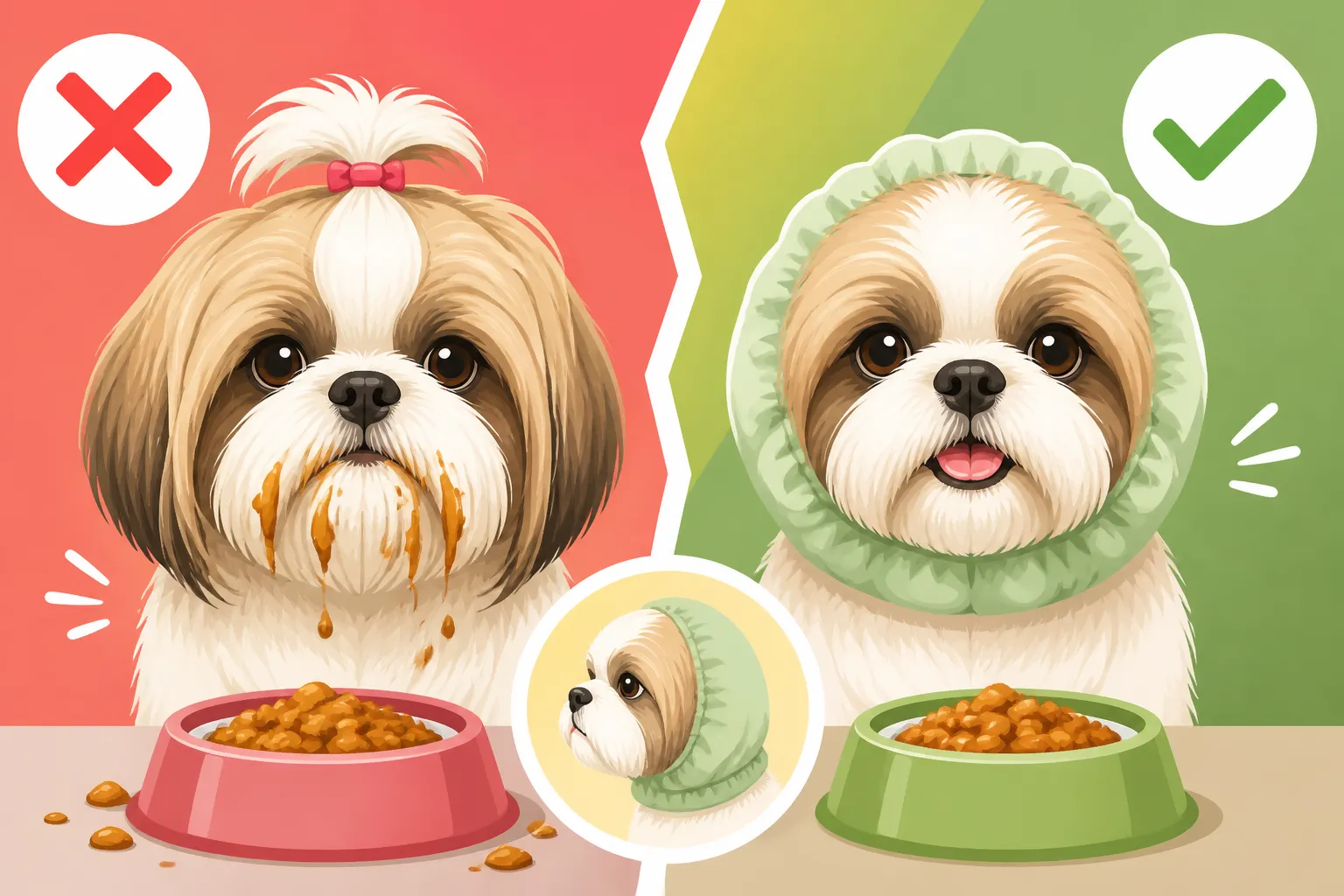
That magnificent double coat, a hallmark of the Shih Tzu breed, is absolutely stunning to behold. It's what makes them look like tiny, regal lions. However, for a dog that needs to put its face into a bowl multiple times a day, those long hairs around the muzzle and the ears become magnets for food and water. As they lean down to eat, their beard hair acts like a tiny mop, soaking up moisture and collecting every stray piece of kibble, wet food, or crumb. The same goes for those gloriously feathered ears, which can sweep through their meal as they eat, then inadvertently carry the mess around the house or, worse, become a breeding ground for bacteria if left damp. It’s a constant battle to keep that coat clean and free from sticky remnants.
Food and Water Stains: More Than Just a Mess
Beyond the immediate "ick" factor of food-crusted fur, the constant exposure to moisture and food particles can lead to a host of problems. One of the most common issues is matting. Wet, food-laden fur tends to clump together, and if not brushed out immediately, these clumps can quickly turn into painful mats, especially around the mouth and under the ears. These mats pull at the skin, causing discomfort and irritation.
Furthermore, persistent dampness and food residue can create an ideal environment for yeast and bacterial growth. This often manifests as skin infections, redness, or a distinct, sometimes unpleasant, odor. You might notice your Shih Tzu scratching at their ears more, or developing red, inflamed skin around their mouth or chin. This isn't just cosmetic; it's a genuine health concern that can require veterinary attention if not addressed. Many Shih Tzu owners know the frustration of fighting Shih Tzu Ear and Skin Infections Under the Coat, and often, mealtime messes are a silent contributor. Then there's the notorious tear staining, which can be exacerbated by food particles and dampness accumulating around the eyes, creating unsightly reddish-brown streaks that can be incredibly stubborn to clean.
The Underbite and Flat Face Challenge
Our Shih Tzus are brachycephalic, meaning they have those adorable flat faces and short muzzles. This unique facial structure, combined with their characteristic underbite, makes eating and drinking a bit of a creative endeavor for them. Their mouths aren't designed for neat, efficient scooping like longer-snouted breeds. They often have to push their faces further into the bowl, which only increases the likelihood of their beard and ear hair getting submerged in food or water.
The underbite can also make it harder for them to pick up smaller pieces of kibble cleanly, leading to more dropped food around the bowl. It's not their fault; it's just how they're built! This architectural quirk means that managing mealtime mess isn't just about good manners on their part; it's about accommodating their physical realities. Understanding Why a Shih Tzu Mouth Cannot Hold Forty-Two Teeth helps contextualize why food tends to get messy around their face.
Enter the Snood: What It Is and How It Helps
Given these daily struggles, it’s no wonder that many Shih Tzu owners look for innovative solutions. One of the most popular and effective tools in the arsenal against mealtime mayhem is the dog snood. If you've never heard of it, don't worry, you're not alone! But once you understand what it is and what it does, you might just wonder how you ever managed without one.
What Exactly is a Dog Snood?
Imagine a soft, tubular head covering, almost like a neck warmer for dogs, but designed to hold back their long ears and beard hair. That’s essentially what a dog snood is! It’s typically made from a lightweight, breathable, and often stretchy fabric, like fleece, cotton, or a soft knit material. The design is simple: a cylinder of fabric with elastic at both ends. One end slips over your Shih Tzu's head and rests gently around their neck, while the other end goes up past their ears, gathering all that lovely long hair safely inside.
The snood effectively creates a barrier, lifting the ears and beard clear of the food and water bowl. It's a simple yet ingenious solution that addresses the core problem of hair dragging through meals. Snoods come in various sizes, so finding one that fits snugly but comfortably around your Shih Tzu's head and neck is key. You don't want it to be too tight, restricting breathing or circulation, but you also don't want it so loose that it easily slips off or allows hair to escape.
The Benefits of Using a Snood for Your Shih Tzu
The advantages of incorporating a snood into your Shih Tzu's mealtime routine are numerous and can make a real difference in their daily care and overall hygiene.
- Keeps Hair Clean and Dry: This is the primary benefit, of course. By containing the ears and beard, the snood prevents them from getting wet in the water bowl or caked with food. This significantly reduces the amount of post-meal cleanup you have to do and keeps their beautiful coat looking its best.
- Prevents Matting: Damp, food-sticky fur is a recipe for mats. A snood helps keep the hair dry and free of debris, dramatically decreasing the chances of tangles and mats forming around the mouth and ears. This means less time spent detangling and more comfortable grooming sessions for your pup. Regular Brushing a Shih Tzu Double Coat Every Day is still essential, but a snood can certainly lessen the load.
- Reduces Skin Irritation and Infections: As discussed earlier, constant dampness and trapped food particles can lead to yeast and bacterial infections. By keeping the fur clean and dry, a snood helps maintain a healthier skin environment, reducing the risk of these uncomfortable and often itchy conditions.
- Minimizes Tear Staining: While tear staining has multiple causes, the presence of food and moisture around the eyes can certainly aggravate it. A cleaner, drier face overall, aided by a snood, can contribute to less severe tear staining, making the daily Shih Tzu Tear Staining and What Causes Them battle a little easier.
- Promotes Better Hygiene: A cleaner dog is a healthier dog. A snood contributes to overall better hygiene by keeping food particles out of the fur, preventing them from being ingested later, or from creating odors on their coat.
- Peace of Mind: For you, the owner, it means less worry about immediate cleanup and less concern about potential skin issues. It streamlines your daily routine and allows you to simply enjoy mealtime with your furry companion.
Potential Drawbacks and Considerations
While snoods offer many benefits, it’s important to acknowledge that they aren't a magical fix without any considerations.
- Initial Discomfort or Resistance: Some Shih Tzus might not take kindly to wearing a snood at first. It's a new sensation, and they might try to paw it off or shake their head. This is normal, and patience and positive reinforcement are key.
- Finding the Right Fit: As mentioned, a poorly fitting snood can be uncomfortable or ineffective. Too tight, and it's restrictive; too loose, and it won't stay on or keep the hair contained. It might take a little trial and error to find the perfect size and style for your particular Shih Tzu.
- Fabric Choice: While most snoods are made from breathable materials, some heavier fabrics might make your Shih Tzu feel warm, especially in warmer climates or during summer months. Consider lighter options for comfort.
- Supervision is Recommended: While snoods are generally safe, it's always best to supervise your Shih Tzu when they are wearing one, especially during the initial stages. This ensures they don't get tangled or try to eat the snood itself.
Practicalities of Snood Use: Choosing and Training
So, you're thinking a snood might be the answer to your Shih Tzu's messy eating habits? Great! Now, let's talk about how to choose the right one and, perhaps more importantly, how to introduce it to your dog so they actually wear it.
Finding the Right Snood for Your Shih Tzu
Not all snoods are created equal, and what works for one dog might not work for another. Here's what to consider:
- Sizing is Paramount: This is the most crucial factor. You'll need to measure your Shih Tzu's head circumference (around the widest part, just in front of their ears) and the length from the top of their head to their neck/shoulders. Most snood manufacturers provide sizing charts. A good fit will be snug enough to stay on and contain the hair, but loose enough that you can comfortably slip two fingers under the elastic at both the head and neck openings.
- Material Matters:
- Fleece: Soft, warm, and often quite durable. Great for colder climates.
- Cotton or Jersey Knit: Lighter, more breathable, and often stretchier. Ideal for everyday use and warmer weather.
- Waterproof/Water-resistant Fabrics: Some snoods are designed with a water-resistant layer, which can be particularly useful for very sloppy drinkers or dogs who eat wet food.
- Style and Design: Beyond basic tubes, some snoods come with cute patterns, different elastic styles (e.g., adjustable drawstrings), or even integrated bows for that extra touch of Shih Tzu flair.
- Where to Buy: You'll find a wide variety of snoods available online. Amazon offers a vast selection from various sellers, allowing you to compare options and read reviews. Specialty pet stores and online retailers like Chewy also often carry a range of snoods, sometimes including their own brands or more boutique options. You can often find independent artisans on sites that sell handmade pet accessories too, offering custom sizes or unique designs.
Introducing Your Shih Tzu to Their New Snood
This isn't just about slipping it on; it’s about positive association. Treat this like any other piece of Training a Shih Tzu Bred Purely as a Companion.
- Start Slow and Positive: Don't just spring the snood on them. Let your Shih Tzu sniff it, praise them, and offer a tiny, high-value treat.
- Short Sessions at First: Gently put the snood on for just a few seconds. Immediately give praise and a treat, then take it off. Repeat this several times a day, gradually increasing the duration. The goal is for them to associate the snood with good things.
- Distraction is Your Friend: Once they tolerate it for a bit longer, put the snood on just before you present their meal. The excitement of food often distracts them from the new headwear. They'll quickly learn that "snood means yummy food!"
- Practice Consistently: Consistency is key. Make the snood part of their mealtime routine every single time. With patience, most Shih Tzus will adapt and eventually wear their snood without fuss.
- Comfort Check: Always ensure the snood isn't too tight or rubbing anywhere. Their comfort is paramount to successful training. If they seem genuinely distressed, take a break and re-evaluate the fit or material. Consider the advice in Getting a Shih Tzu Used to Face Trims for general handling around the head area, which can help with snood acceptance.
Alternative Solutions for Messy Eaters
While snoods are fantastic, they aren't the only way to manage mealtime mess. Here are a few other strategies that can complement snood use or serve as alternatives:
- Specialty Bowls: Look for "spaniel bowls" or "slanted bowls." Spaniel bowls are typically narrower and deeper, preventing long ears from dipping in. Slanted bowls angle the food towards one side, which some flat-faced breeds find easier to access without getting their whole face in. Elevated bowls can also help, as they reduce the distance your Shih Tzu has to lean down, potentially keeping ears and beard clearer.
- Water Fountains: Some Shih Tzus drink more neatly from a pet water fountain than a traditional bowl, as the moving water encourages lapping from the stream rather than plunging their face into a still pool.
- Smaller Kibble: If your Shih Tzu struggles to pick up food, switching to a smaller kibble size can make a difference. Many brands, including those found on Ollie (if considering fresh food) or other premium brands, offer small-breed formulas with appropriately sized pieces. Kibble Small Enough for a Shih Tzu Underbite is a key consideration.
- Daily Face Wipes: Even with a snood, a quick wipe down after meals is a good habit. This helps catch any stray crumbs or moisture that still make it past the snood and keeps their face fresh. We discuss this in depth in Cleaning Food Out of a Shih Tzu Beard.
Beyond the Snood: Maintaining a Clean Shih Tzu Face
A snood is a wonderful tool, but it's part of a larger picture of good grooming and hygiene for your Shih Tzu. Even with a snood, proactive care is essential to keep your furry friend comfortable and healthy.
The Importance of Regular Face Cleaning
Let's face it, no matter how careful your Shih Tzu (or you) are, some mess is bound to happen. Bits of food, drops of water, and even natural eye discharge can accumulate. That's why making daily face cleaning a non-negotiable part of your routine is so important.
Think of it this way: you wouldn't go days without washing your own face, and your Shih Tzu's delicate facial area, with all that hair and those expressive eyes, needs just as much attention. After every meal, take a soft, damp cloth or a pet-specific facial wipe and gently clean around their mouth, chin, and beneath their eyes. This removes food particles, saliva stains, and helps prevent the buildup that leads to matting, odor, and skin irritation. Neglecting this can lead to those stubborn tear stains becoming truly embedded, making them much harder to remove later. This is often covered in more detail in articles like Washing a Shih Tzu Face After Every Meal.
Trimming Around a Shih Tzu's Mouth
Sometimes, even with diligent cleaning and snood use, the sheer volume of hair around their mouth and chin can be overwhelming. Strategic trimming can be a huge help here. This isn't about shaving their face bare, but rather about creating a neat, hygienic outline that makes cleaning easier and reduces the surface area for food and water to cling to.
A groomer can trim the hair around their muzzle a bit shorter, especially the beard area that constantly dips into food. They can also do a "sanitary trim" around the eyes and corners of the mouth, which keeps the hair from getting into their eyes or trapping excessive moisture. If you prefer to do it at home, always use blunt-nosed scissors and be extremely cautious. It's often best to seek professional guidance for this type of trim to avoid any accidental nicks or cuts. Regular small trims are much safer than trying to tackle a large, matted area. You can find more specific advice on this in Trimming Around a Shih Tzu's Mouth.
Choosing the Right Food and Water Bowls
The type of bowl you use can significantly impact how messy your Shih Tzu gets. It's often an overlooked aspect of mealtime hygiene.
- Elevated Bowls: As mentioned before, elevated bowls can reduce the strain on your Shih Tzu's neck and back, which is a consideration for a breed prone to Shih Tzu Back Problems and Disc Disease. More importantly for mess, it means they don't have to lean down as far, making it easier to keep their ears and beard clear of the bowl's rim and contents.
- Material Matters: Stainless steel bowls are often recommended for their hygiene. They are non-porous, easy to clean, and don't harbor bacteria like some plastics can. Ceramic bowls are also a good option, but ensure they are heavy enough not to be easily tipped and chip-free.
- Water Bowl Design: For water, consider a narrow, deep bowl rather than a wide, shallow one. This encourages them to drink by dipping just their tongue, rather than plunging their entire muzzle into the water. Some owners even use specialized "no-splash" or "mess-proof" water bowls designed to minimize wetting the face and floor.
Ultimately, whether a snood is a necessity depends on your individual Shih Tzu and your lifestyle. For many, it's a game-changer, turning messy meal times into much cleaner, more manageable events. Experiment with these tips and see what works best for you and your adorable, if sometimes messy, companion!
Disclaimer
This article is for general informational purposes only and does not constitute professional advice. Laws, prices and regulations vary by location and change over time. Consult a qualified professional for guidance on your specific situation.