What Happens to a Shih Tzu Coat After Shaving
It's a common dilemma for Shih Tzu owners, especially when summer hits or a battle with mats becomes overwhelming: should I shave my Shih Tzu? The thought of a shorter, cooler coat is tempting, but many of us worry about what happens next—will it grow back the same? This guide is here to walk you through exactly what to expect when you take the clippers to that beautiful double coat, addressing your concerns and helping you prepare for the changes that lie ahead.
The Truth About the Shih Tzu Double Coat
Before we dive into what happens after shaving, it's crucial to understand what kind of coat your Shih Tzu actually has and why it's so unique. Many breeds have a single layer of fur, but the Shih Tzu boasts a luxurious double coat. This isn't just for looks; it serves a vital purpose for their comfort and health. When you mess with nature's design, even with the best intentions, you can trigger some unexpected changes.
Understanding the Guard Hairs and Undercoat
A Shih Tzu's double coat is made up of two distinct layers. The outer layer consists of longer, coarser "guard hairs" that are typically silky to the touch, shed less, and give the coat its shine and color. These guard hairs protect your dog from the elements, like sun and rain, and help repel dirt. Beneath this lies the soft, dense, cotton-like "undercoat." This undercoat is what provides insulation, keeping them warm in winter and, perhaps surprisingly, helping to keep them cool in summer by trapping a layer of air against their skin.
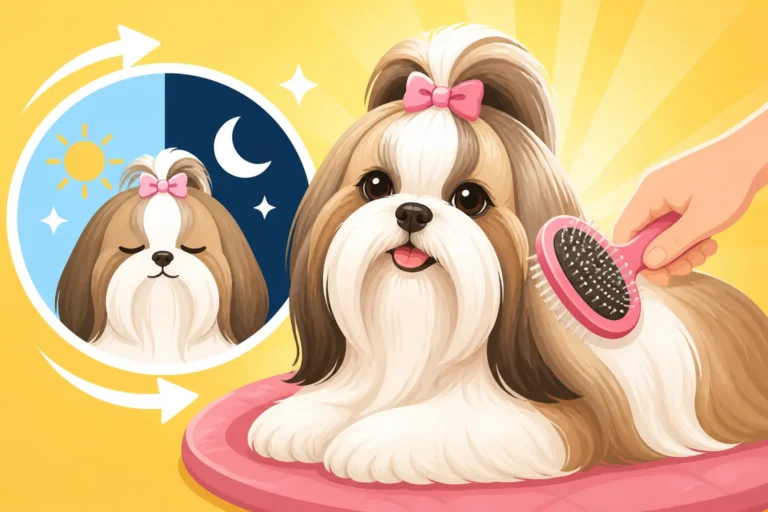
When your groomer talks about "dematting" or "line brushing," they're working to keep these two layers healthy and untangled. If the undercoat isn't properly maintained, it can quickly become matted, especially in areas like behind the ears, under the legs, and where a harness sits. This is why daily brushing is so crucial for a Shih Tzu with a full coat. You can find excellent tools on sites like Amazon or Chewy to help you get through both layers effectively.
Why the Double Coat is So Important for Regulation
Many owners believe that shaving a double-coated dog like a Shih Tzu will help them stay cooler in warm weather. While it might seem logical to remove all that hair, it can actually have the opposite effect or create new problems. The double coat acts like a natural thermostat. The outer guard hairs protect the skin from direct sunlight, preventing sunburn, and the undercoat creates an insulating barrier that helps regulate body temperature. Think of it like a thermos: it keeps hot things hot and cold things cold.
Without this protective layer, your Shih Tzu's skin is directly exposed to the sun's rays, increasing the risk of sunburn and overheating. It also removes the natural barrier against environmental irritants. This is particularly important for a brachycephalic breed like the Shih Tzu, who already struggles with heat regulation due to their flat face. Why a Shih Tzu Cannot Cool Itself Well is a topic many owners need to understand deeply. The coat is part of their natural defense system.
Immediate Changes After a Close Shave
So, you've decided to shave your Shih Tzu. Maybe it was an emergency because of severe matting, or perhaps you just wanted a fresh start. Regardless of the reason, you'll notice some immediate and striking changes, not just in appearance but in how your dog feels and reacts to their environment.
The "Velvet" Stage and Skin Exposure
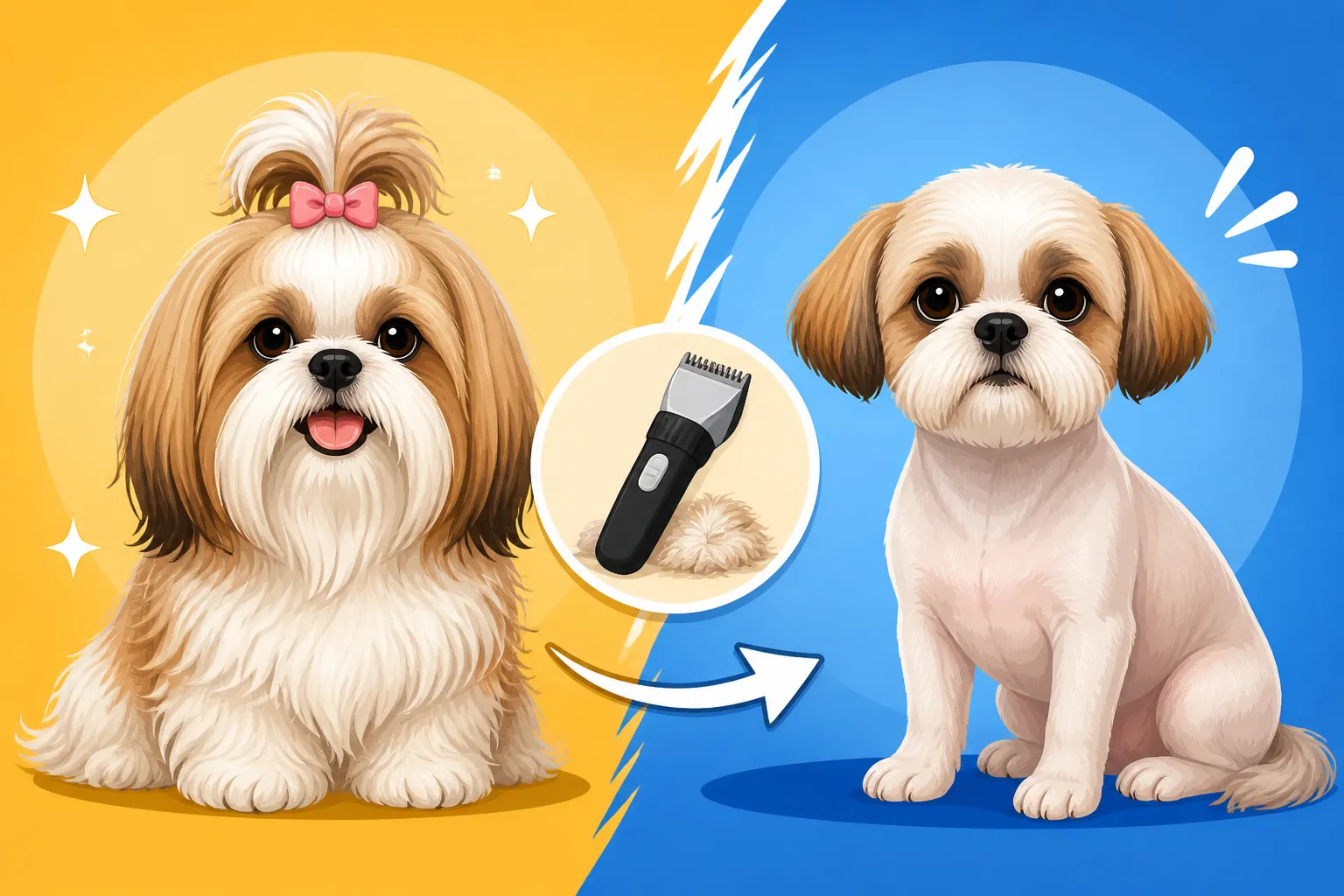
The first thing you'll notice is the incredible softness. That thick, sometimes coarse, outer coat is gone, leaving behind a velvety-smooth puppy-like fur, which is mostly the undercoat that's been trimmed short. It feels wonderful to pet, and many owners adore this initial "puppy cut" look. However, this softness comes at a cost: your Shih Tzu's skin is now much more exposed.
This exposure means they are far more vulnerable to the elements. They can get sunburned surprisingly quickly, especially on their back and ears, which were previously shaded by their longer hair. Imagine walking outside without a shirt on after being bundled up all winter – that's a bit what it's like for them. You might need to consider dog-safe sunscreen or protective clothing if your dog spends time outdoors, even for short potty breaks.
Potential for Sunburn and Temperature Sensitivity
Beyond sunburn, a shaved Shih Tzu can struggle with temperature regulation more than you might expect. In cooler weather, they'll lose their natural insulation, making them prone to feeling chilly. You might notice them seeking out warm spots or shivering more easily. Conversely, in hot weather, while you might think they'd be cooler, the absence of the protective guard hairs can lead to their skin absorbing more heat from the sun. This can make them overheat more quickly, rather than less. Why a Shih Tzu Overheats So Easily is a critical read if you've shaved your dog, as the risks only increase.
Owners often report their shaved Shih Tzus being more sensitive to touch, as their skin is no longer buffered by layers of fur. This can be a minor inconvenience, but it's important to be gentle when petting, especially during the initial weeks. Their skin might also be more prone to dryness or irritation, requiring a gentle, moisturizing shampoo for bathing.
The Regrowth Journey: What to Expect
The question on every owner's mind: will it grow back? Yes, your Shih Tzu's coat will grow back. But how it grows back is where the real changes and frustrations can begin. It's rarely a simple, even return to their original glorious mane.
Uneven Regrowth and "Clipping Alopecia"
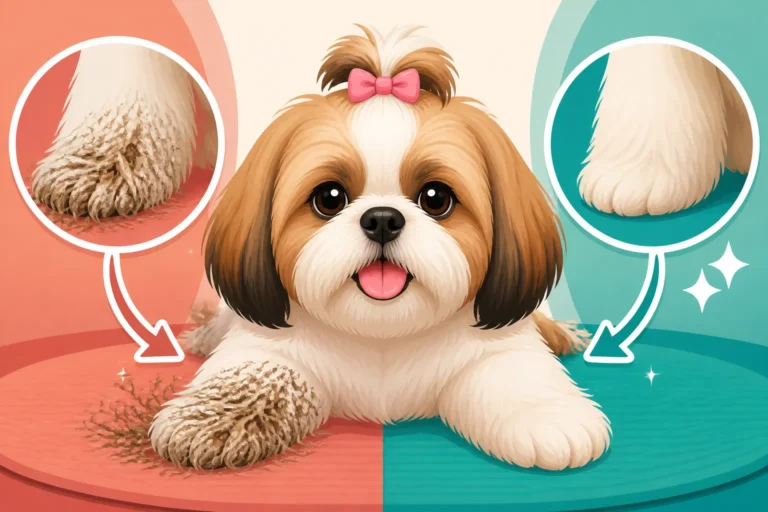
One of the most common issues after a close shave is uneven regrowth. The guard hairs and undercoat grow at different rates and may not return with the same texture or density. Sometimes, the soft undercoat grows back much faster and thicker, while the guard hairs lag or don't return at all. This can result in a coat that feels more like cotton or wool, making it even more prone to matting than before. You might find your brushing routine needs to be more diligent, not less, to prevent new tangles from forming in this changed texture.
In some cases, especially after repeated close shaves or if there's an underlying health issue, a dog can develop what's sometimes called "post-clipping alopecia" or "coat funk." This is when patches of hair either don't grow back at all or take an exceptionally long time to return. While it's more common in some other double-coated breeds, it can happen to Shih Tzus too. It’s a frustrating situation that often leaves owners wondering if their dog’s beautiful coat is gone for good.
Changes in Texture and Color
The texture change is perhaps the most noticeable long-term effect. Many Shih Tzus who were once soft and silky might find their regrown coat feels coarser, more wiry, or even very fluffy and cottony. This is often because the undercoat has become dominant. This new texture can be a magnet for mats, making grooming a continuous battle.
Color changes can also occur. Sometimes, the regrown coat appears lighter or darker than the original, or patches of color might shift. This is less common than texture changes but certainly happens. It's often due to the pigment in the guard hairs not returning as strongly, allowing the undercoat's natural shade to be more prominent. Don't be surprised if your black-and-white Shih Tzu comes back looking a bit more gray or cream in certain areas! This isn't necessarily a sign of ill health, but simply a cosmetic change in the new hair shafts.
Managing the New Growth
As the coat grows back, you'll need a new strategy for grooming. The short, fuzzy stage can be incredibly prone to matting, even more so than a long coat, because the hairs are all the same length and tangle easily. Regular, gentle brushing with appropriate tools is paramount. A good slicker brush and a metal comb (you can find quality ones on Chewy or Amazon) will be your best friends. Focus on line brushing, lifting sections of hair and brushing from the skin out, even when the coat is short.
Initially, you might want to consider keeping the coat at a slightly longer puppy cut as it grows out, rather than letting it get completely overgrown. This allows you to manage the new texture and prevent the dreaded "felt" matting that can occur. Be patient; a full, healthy double coat can take many months, sometimes even over a year, to grow back completely, if it ever fully does. Grooming a Shih Tzu Every Four to Six Weeks is a good baseline to help manage this regrowth.
Long-Term Considerations and Coat Health
Shaving your Shih Tzu isn't a "one and done" decision; it has implications for ongoing care and coat health. Understanding these can help you better manage your dog's needs and decide if shaving is truly the best long-term solution for you and your furry companion.
Preventing Matting During Regrowth
Once the coat starts growing back, the battle against mats begins anew, sometimes with even greater intensity. The soft, cottony undercoat that often grows back first is particularly prone to tangling. You'll need to be hyper-vigilant with daily brushing, focusing on all the areas where mats love to hide: behind the ears, under the chin, in the armpits, and around the sanitary areas. Even a short coat can mat surprisingly quickly. Mats Where a Harness Sits on a Shih Tzu is a very common issue, and with a regrowing coat, it can become even more problematic.
Invest in a good detangling spray and use it generously before brushing. This helps the brush glide through the hair and minimizes breakage. You might also consider using a gentle conditioner during baths to keep the hair as soft and manageable as possible. If you decide to let the coat grow long again, be prepared for a dedicated daily grooming routine.
Maintaining Skin Health After Shaving
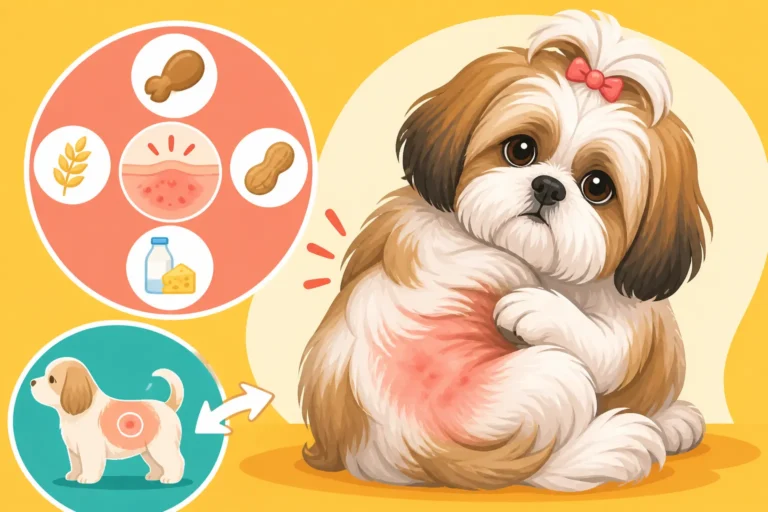
With the coat gone, your Shih Tzu's skin is much more exposed and vulnerable. This means you need to pay extra attention to skin health. Watch out for redness, dryness, flakiness, or any signs of irritation. Sunscreen formulated for dogs is a must if your dog will be spending any significant time outdoors, even on cloudy days.
Consider a high-quality diet, perhaps a fresh food option like Ollie, which can contribute to overall skin and coat health, providing essential fatty acids and nutrients. If you notice any persistent skin issues, like excessive scratching or hot spots, it's always best to consult your veterinarian. Sometimes, the exposure can exacerbate existing allergies or sensitivities that were previously hidden by the dense fur. Shih Tzu Skin Allergies and Hot Spots can become more apparent or troublesome after shaving.
When to Consider Shaving (and When Not To)
Ultimately, the decision to shave your Shih Tzu is a personal one, often driven by necessity. Severe matting is the most common reason, as it can be painful for the dog and impossible to brush out. In such cases, shaving is the kindest option. It's also a choice some owners make for ease of maintenance, especially if they struggle with the extensive daily grooming a full coat demands. Choosing Between a Full Coat and a Puppy Cut discusses these choices in more detail.
However, it's important to weigh the pros and cons. While a short cut can be easier to manage initially, it may lead to a more challenging coat texture in the long run. It also removes your dog's natural protection against heat, cold, and sun. If you do shave, commit to protecting their exposed skin and be prepared for the dedicated grooming required during the regrowth phase. For ongoing grooming, finding a reputable groomer who understands double coats and their regrowth patterns is key.
Here's a quick comparison to help you think through the options:
| Feature | Full, Well-Maintained Coat | Shaved Coat (Puppy Cut/Short) |
|---|---|---|
| Grooming Time | Daily brushing (20-30 min), professional groomer every 4-6 wks | Less daily brushing initially, but diligent during regrowth |
| Matting Risk | High if not brushed daily, especially in key areas | High during regrowth due to uneven texture |
| Temperature Regulation | Excellent natural insulation (warm in winter, cool in summer) | Compromised; higher risk of overheating/chilling |
| Sun Protection | Excellent natural barrier against UV rays | Poor; high risk of sunburn |
| Appearance | Traditional flowing Shih Tzu look | "Puppy cut" or short, velvety appearance |
| Skin Health | Protected from elements; good indicator of overall health | Exposed, higher risk of irritation, dryness, or allergies |
| Common Problems | Mats, tear staining, hair in eyes | Uneven regrowth, texture changes, sunburn, skin irritation |
Understanding these dynamics can help you make an informed decision for your Shih Tzu's well-being. It's a journey, and your dog's comfort and health are always the top priority.
Disclaimer
This article is for general informational purposes only and does not constitute professional advice. Laws, prices and regulations vary by location and change over time. Consult a qualified professional for guidance on your specific situation.