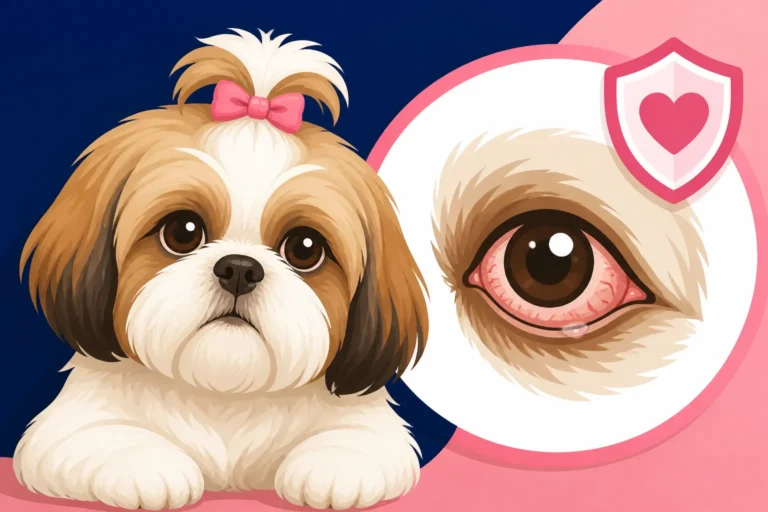
Why Shih Tzu Airway Claims Get Refused
It's incredibly frustrating when you've done the responsible thing by getting pet insurance for your beloved Shih Tzu, only to find that when a major health crisis like an airway issue arises, your claim is suddenly refused. Many owners assume comprehensive coverage means everything is covered, especially for known breed-specific conditions, but the reality of pet insurance often tells a different, more complex story. This guide will delve into the common reasons why Shih Tzu airway claims might be denied, helping you understand the fine print, advocate for your pet, and navigate the sometimes-confusing world of pet insurance.
Understanding Brachycephalic Airway Syndrome in Shih Tzus
Before we can even talk about insurance claims, it's vital to grasp what Brachycephalic Airway Syndrome (BAS) actually entails for our little lion dogs. Shih Tzus, with their adorable squished faces, are classic brachycephalic breeds, and this unique facial structure, while charming, comes with a set of inherent respiratory challenges.
What is Brachycephalic Airway Syndrome BAS?
Brachycephalic Airway Syndrome isn't just one problem; it's a collection of anatomical abnormalities that work together to obstruct a Shih Tzu's breathing. Imagine trying to breathe through a straw that's too small and constantly collapsing – that's somewhat what it's like for a dog with severe BAS.
The main culprits typically include:
- Stenotic Nares: These are nostrils that are simply too narrow, restricting the amount of air that can even enter the nose. Think of trying to breathe deeply through pinched nostrils. For a Shih Tzu, these narrow openings are often a primary point of restriction, making every breath an effort.
- Elongated Soft Palate: This is probably the most common issue. The soft palate, which is the fleshy part at the back of the roof of the mouth, is too long for the Shih Tzu's shortened skull. It dangles into the airway, sometimes even reaching the epiglottis, partially blocking the trachea (windpipe). When your Shih Tzu gets excited, overheated, or just breathes heavily, this elongated palate can swell and flap, creating those characteristic snorts and gasps. This can also explain why you might hear your Shih Tzu making that distinct snoring sound when they sleep.
- Everted Laryngeal Saccules: These are small pouches or sacs located inside the larynx (voice box) that can get sucked inward and flip outwards due to the constant negative pressure created by struggling to breathe. When they evert, they further obstruct the airway, making the breathing problem even worse.
- Hypoplastic Trachea: In some Shih Tzus, the windpipe itself can be narrower than it should be, offering another point of resistance to airflow. This is a less common component but can significantly worsen the prognosis.
All these factors mean that a Shih Tzu often has to work much harder just to take a normal breath compared to a dog with a longer snout. This constant effort can lead to chronic inflammation, swelling, and further narrowing of the already compromised airways over time, turning a mild issue into a severe one. You can learn more about specific breathing challenges in our comprehensive guide on Brachycephalic Breathing in a Shih Tzu.
The Urgency of Airway Issues
For many Shih Tzu owners, the cute snorts and snores are just "part of the breed's charm." However, these sounds are often indicators of underlying breathing difficulties. What starts as mild snoring can progress to serious, life-threatening crises if left unaddressed.
A Shih Tzu with BAS is far more susceptible to overheating because panting is their primary way to cool down, and if their airway is compromised, this process becomes inefficient. A simple walk on a warm day can quickly escalate into a medical emergency. Exercise intolerance, blue gums (cyanosis), collapse, and even death are all real risks for Shih Tzus with severe, untreated BAS. These emergencies often mean a frantic, expensive rush to the veterinary emergency room, potentially incurring significant costs for oxygen therapy, cooling measures, and stabilizing medication, sometimes leading directly to emergency surgery. Our article on Why a Shih Tzu Cannot Cool Itself Well explains this in more detail.
The urgency stems from the progressive nature of the syndrome. The constant struggle to breathe puts immense strain on the heart and lungs, and the chronic inflammation can lead to irreversible changes in the airway. Early surgical intervention, often involving widening the nostrils and trimming the elongated soft palate, can dramatically improve a Shih Tzu's quality of life and prevent severe crises. However, these surgeries, like any specialized procedure, come with a hefty price tag, making insurance coverage all the more crucial – and its refusal all the more devastating.
Common Reasons for Insurance Claim Refusals
It's a gut punch when you're facing a sick pet and the insurance company says "no." While every policy and situation is unique, there are several recurring themes that lead to the refusal of Shih Tzu airway claims. Understanding these pitfalls can help you prepare or, at the very least, understand why a denial happened.
Pre-Existing Conditions and Waiting Periods
This is arguably the biggest reason for claim denials, and it catches so many well-meaning pet owners off guard. A "pre-existing condition" is any illness or injury your pet showed signs of, was diagnosed with, or treated for before your insurance policy officially started or during its waiting period. And here’s the kicker: even subtle symptoms, like occasional snoring or snorting, can be interpreted by the insurer as evidence of a pre-existing brachycephalic airway issue, even if a formal diagnosis wasn't made until later.
Imagine you adopt a Shih Tzu puppy at 10 weeks old. You enroll them with Healthy Paws pet insurance a week later, knowing they're a brachycephalic breed and want to be prepared. But most policies have waiting periods—typically 14 days for illnesses, sometimes longer for orthopedic conditions. If, two months down the line, your puppy suddenly has a severe breathing crisis and is diagnosed with an elongated soft palate requiring surgery, Healthy Paws might review their initial vet records. If those records mention any "snuffling" or "noisy breathing" during the puppy check-up, even casually, the insurer could argue that the condition showed signs during the waiting period or even before enrollment, classifying it as pre-existing and denying the claim.
This is why it's so incredibly important to enroll your Shih Tzu when they are as young and healthy as possible, ideally before any subtle signs of BAS even appear, and certainly before any vet visit records symptoms. If your Shih Tzu is already making those characteristic sounds or has a history of even mild breathing issues, you might find that airway conditions are entirely excluded from coverage. This can make the already daunting process of deciding for a Shih Tzu with a long-term medical condition even harder.
Breed-Specific Exclusions and Policy Limitations
While pet insurance is designed to help, some policies have specific clauses that can be problematic for Shih Tzu owners. Certain insurers might include "breed-specific exclusions" for conditions commonly found in particular breeds. Given that Brachycephalic Airway Syndrome is almost synonymous with flat-faced breeds, some policies might explicitly limit or even exclude coverage for BAS-related diagnoses or surgeries.
It's not always a blanket exclusion, but it could be subtle. For example, a policy might cover "illnesses" but then have a clause stating that "congenital or hereditary conditions inherent to a specific breed are not covered unless specifically endorsed." Since BAS is a congenital (present from birth) condition stemming from the Shih Tzu's inherent brachycephalic structure, such a clause could easily lead to a denial. This makes shopping for Shih Tzu Pet Insurance for a Flat-Faced Toy an entirely different ballgame than for other breeds.
When you're comparing pet insurance providers, whether you're looking at Healthy Paws, options presented through retailers like Chewy, or others, you absolutely must dive deep into the policy wording. Don't just look at the monthly premium. Ask direct questions:
- "Does this policy cover congenital conditions?"
- "Are brachycephalic airway syndrome conditions (e.g., elongated soft palate, stenotic nares) covered for my Shih Tzu?"
- "Are there any breed-specific exclusions for Shih Tzus?"
- "What happens if my Shih Tzu requires emergency surgery for an airway obstruction?"
The answers to these questions are crucial. Some providers are more transparent and comprehensive with brachycephalic coverage than others, but it always pays to verify everything in writing before you commit.
Lack of Diagnostic Evidence or Vet Records
Imagine you've been hearing your Shih Tzu snuffle for a while, but you haven't really mentioned it to the vet because it seemed minor. Then, one day, they have a severe breathing crisis and need emergency surgery. You submit the claim, expecting coverage, but the insurer denies it because there's no documented history of the condition in your pet's vet records prior to the emergency.
Insurance companies rely heavily on clear, consistent, and thorough veterinary records to process claims. If your Shih Tzu showed symptoms that weren't officially documented by a veterinarian – even if you, as the owner, were aware of them – it can create a gap in their medical history. This gap can lead the insurer to argue that the condition suddenly appeared, or, conversely, that it was a pre-existing issue that you failed to report or seek treatment for earlier, even if that wasn't the case.
Vague or missing information can also cause issues. For instance, if a record simply says "owner reports noisy breathing sometimes," but no further diagnostics or specific notes were made, it might not be enough to prove the condition wasn't pre-existing to the policy's start date or waiting period. Every detail counts. Regular check-ups, clear communication with your vet about all symptoms (no matter how minor they seem), and ensuring these concerns are properly recorded in your pet's file are absolutely critical. If your vet recommends further investigation or a specialist consultation for those snuffles, follow through and document it. This meticulous record-keeping acts as your proof when challenging a potential denial.
Navigating the Insurance Landscape and Appealing Denials
Getting an insurance claim refused can feel like hitting a brick wall, especially when your pet needs help. But it doesn't always have to be the final word. There are ways to be proactive in your choice of policy and reactive in appealing a denial.
Choosing the Right Policy for a Shih Tzu
The key to avoiding heartbreak down the line is choosing the right policy from the start, tailored to the unique needs of a brachycephalic breed like the Shih Tzu. This isn't just about comparing prices; it's about comparing coverage details.
When shopping around, don't shy away from asking pointed questions about breed-specific conditions. For instance, if you're looking at Healthy Paws, known for its comprehensive plans, you'd still want to verify their stance on Brachycephalic Airway Syndrome. Ask them directly if surgical corrections for elongated soft palate or stenotic nares are covered, and under what circumstances.
Here’s a checklist of what to look for:
- Comprehensive Accident & Illness Coverage: Ensure the policy isn't just for accidents. You need illness coverage for conditions like BAS.
- Congenital and Hereditary Condition Coverage: This is paramount. Since BAS is considered a congenital (present from birth) issue, policies that exclude these are not suitable. Read the fine print carefully.
- Clear Pre-Existing Condition Definitions: Understand exactly how the insurer defines and handles pre-existing conditions. Look for policies that might offer more lenient interpretations or "curable" pre-existing condition clauses (though these are rare for chronic issues like BAS).
- No Breed-Specific Exclusions for Brachycephalic Conditions: This is non-negotiable for a Shih Tzu owner. Confirm there are no blanket exclusions for issues like stenotic nares or elongated soft palate.
- Short Waiting Periods: While unavoidable, shorter waiting periods for illnesses are always better.
- Strong Customer Service and Transparency: A company that is clear about its terms and easy to communicate with is invaluable when claims arise. Research reviews for companies like Healthy Paws or check out aggregated options on platforms like Chewy to see what other pet owners are saying about their claim experiences, especially with brachycephalic breeds.
Remember, the goal isn't just to have insurance, but to have effective insurance that actually pays out when your Shih Tzu needs it most. While many focus on food brands like Ollie for optimal nutrition, thinking about comprehensive health coverage before issues arise is just as critical for overall well-being.
Strategies for Successful Claims
If you find yourself needing to submit a claim for an airway issue, being prepared and organized can significantly increase your chances of approval.
- Meticulous Record Keeping: This cannot be stressed enough. Keep copies of all veterinary records, including examination notes, diagnostic test results (X-rays, endoscopy reports), and invoices. When submitting a claim, provide as much detail as possible. Ensure your vet notes every symptom and every treatment plan. For example, if your Shih Tzu's vet notes discuss the progression of their snoring, or an early diagnosis of The Elongated Soft Palate in a Shih Tzu, these details are vital.
- Open Communication with Your Vet: Your veterinarian is your biggest advocate. Ensure they understand the importance of comprehensive documentation for insurance purposes. They can often provide a "letter of medical necessity" explaining why a specific treatment or surgery was critical.
- Submit Claims Promptly: Don't delay. Most policies have a timeframe within which claims must be submitted (e.g., 90 days from the date of service).
- Understand Your Policy's Appeal Process: If a claim is denied, don't just accept it. Every reputable insurance company has an appeal process. Request the denial in writing, along with the specific reason for refusal. Then, gather any additional supporting documentation (e.g., a detailed letter from your vet, further diagnostic reports) and follow their appeal steps. Be polite but firm, and stick to the facts. Sometimes, a denial is simply due to missing information that can be easily provided.
Alternative Financial Planning
Despite your best efforts, sometimes pet insurance isn't an option, or claims are still refused. This is where proactive financial planning becomes your safety net.
- Build an Emergency Fund: This is probably the most straightforward and effective method. Set aside a dedicated savings account specifically for pet emergencies. Even putting away $20-$50 a month can build up a significant fund over time. Many owners find themselves facing a Shih Tzu Emergency Vet Costs Owners Should Expect when a serious airway problem arises, and having savings can alleviate immense stress.
- Veterinary Credit Lines: Companies like CareCredit or Scratchpay offer credit cards specifically for veterinary expenses, often with deferred interest options for a certain period. These can be lifesavers in an emergency, but always understand the terms and interest rates.
- Consider Pet Savings Accounts: Some financial institutions offer pet-specific savings accounts.
- Explore Assistance Programs: Depending on your location and financial situation, there might be local or national charitable organizations that offer financial assistance for pet medical care. Organizations like The Pet Fund, RedRover, or breed-specific rescues sometimes offer grants for costly surgeries.
- Payment Plans with Your Vet: Many veterinary clinics understand financial constraints and are willing to work out payment plans for significant expenses. Don't be afraid to ask about this option before treatment begins.
The financial burden of a Shih Tzu's brachycephalic airway surgery, or even ongoing management of its symptoms, can be substantial. For example, Airway Surgery Pricing for a Shih Tzu can easily run into thousands of dollars. Having a plan B (or C) is just as important as having insurance, especially for a breed with such specific health predispositions.
Factors Affecting Shih Tzu Airway Claim Approval
Understanding the nuances of pet insurance and the specific vulnerabilities of your Shih Tzu can significantly impact the success of a claim. This table outlines key factors that insurers consider.
| Factor | Impact on Claim Approval | Owner's Proactive Steps |
|---|---|---|
| Pre-Existing Conditions | High Risk of Refusal: If any symptoms (e.g., snoring, snorting, coughing, exercise intolerance) were noted in vet records before policy start or during waiting period, even without formal diagnosis. | Enroll your Shih Tzu as a young puppy, ideally before 6 months old and before any symptoms appear. Ensure initial vet checks state "no signs of respiratory distress" if applicable. |
| Waiting Periods | Risk of Refusal: Conditions arising or diagnosed during the initial waiting period (typically 14-30 days for illnesses) will usually be excluded. | Enroll early and be aware of waiting periods. Avoid delaying enrollment. |
| Policy Exclusions | High Risk of Refusal: Policies with blanket "brachycephalic exclusions" or specific exclusions for congenital/hereditary conditions without explicit coverage riders. | Thoroughly read policy documents. Ask direct questions about coverage for stenotic nares, elongated soft palate, and other BAS components. Choose policies with explicit coverage for congenital conditions. |
| Veterinary Records | Critical for Approval: Clear, consistent, and detailed records documenting symptoms, diagnoses, treatments, and progression. Lack of documentation can lead to denial. | Discuss all symptoms with your vet, no matter how minor. Ensure these are accurately recorded. Request copies of all vet notes and diagnostic reports. |
| Timeliness of Claim | Risk of Refusal: Claims submitted outside the insurer's specified timeframe (e.g., 90 days from treatment date) may be denied. | Submit claims as soon as possible after treatment or diagnosis. |
| Veterinary Specialist Referral | Positive Impact: Referrals to board-certified veterinary specialists (e.g., internal medicine, surgery) demonstrate appropriate medical care and can strengthen a claim. | Follow your primary vet's recommendations for specialist consultations. Ensure all specialist reports are forwarded to your primary vet and included in claim submissions. |
| Type of Treatment | General Approval (if covered): Surgical corrections (nares widening, palate resection) are typically covered if the underlying condition isn't pre-existing or excluded. Supportive care (oxygen, medications) also covered. | Ensure all treatments are medically necessary and documented. Discuss treatment plans and prognosis with your vet and insurer if questions arise. |
| Policy Deductible/Reimbursement | Impacts Out-of-Pocket: Does not affect approval, but determines how much you pay. Higher deductibles mean lower premiums but more upfront cost. | Choose a deductible and reimbursement level that aligns with your budget and risk tolerance for potential Shih Tzu Surgery Costs From the Mouth to the Eye, including airway corrections. |
Disclaimer
This information is intended for educational purposes only and does not constitute veterinary or financial advice. Always consult with a qualified veterinarian for your pet's health concerns and a licensed insurance professional for specific policy details and financial planning. Pet insurance policies vary widely, and it is crucial to read your policy's terms and conditions carefully.