A Shih Tzu That Barks at Passing Dogs
Shih Tzu barking at passing dogs stems from fear, territoriality, frustration, or excitement, and requires identifying specific triggers.
Work with the temperament you have.
House-training and crate work, recall, leash manners, separation anxiety, and the behaviors this breed is wired for.
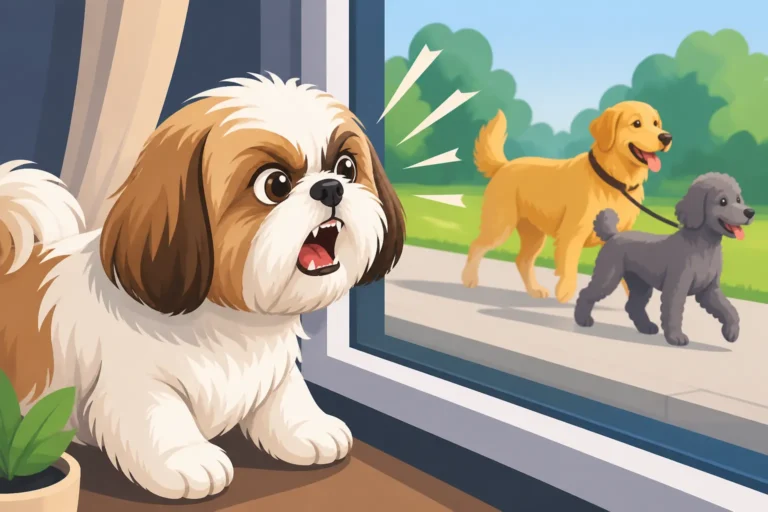
Shih Tzu barking at passing dogs stems from fear, territoriality, frustration, or excitement, and requires identifying specific triggers.
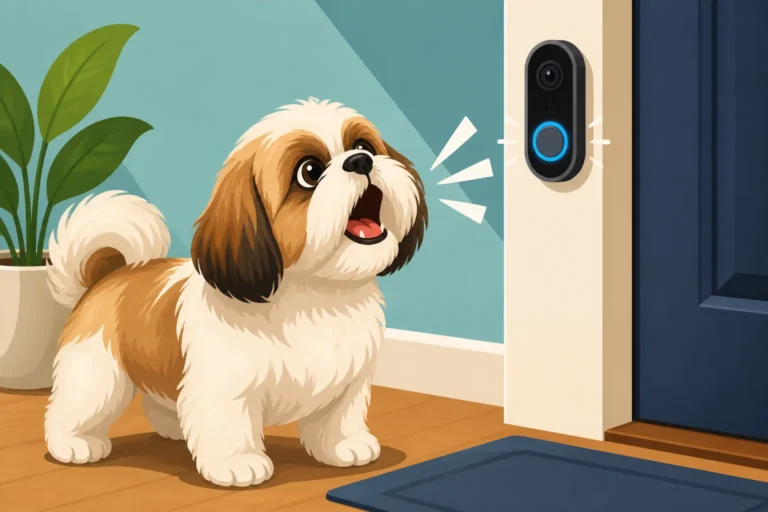
Territorial instincts, excitement, and anxiety explain why Shih Tzus bark at doorbells, and training helps dogs stay calm.
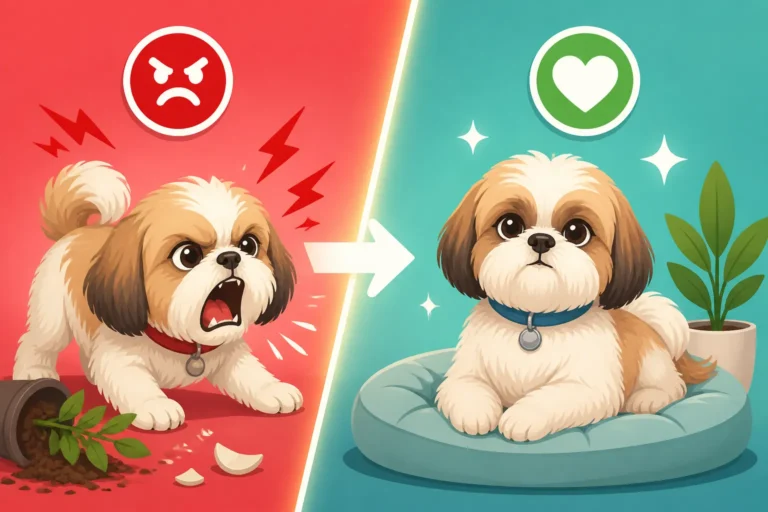
Neutering a male Shih Tzu reduces testosterone, which curbs roaming impulses and indoor urine marking behaviors over weeks and months.
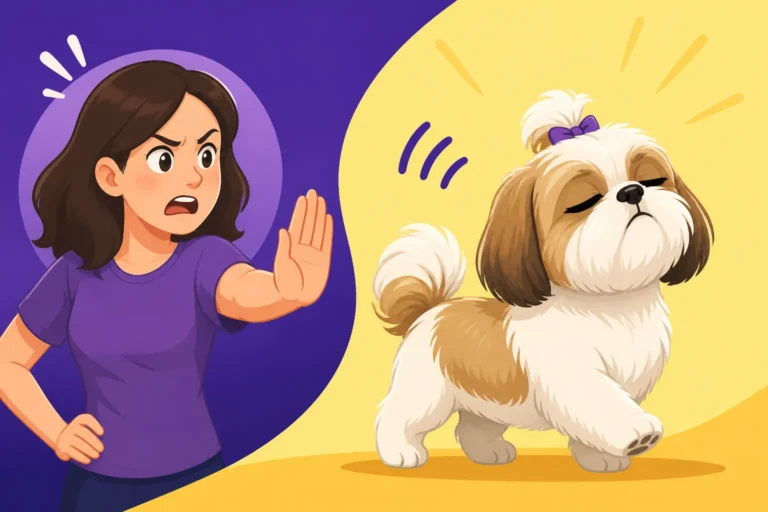
Adolescent Shih Tzus experience a developmental stage of brain maturation and boundary testing between six months and two years.

Shih Tzu puppy sleep strategies explain crate placement, warmth methods, and bedding choices to help tiny dogs settle down at night.
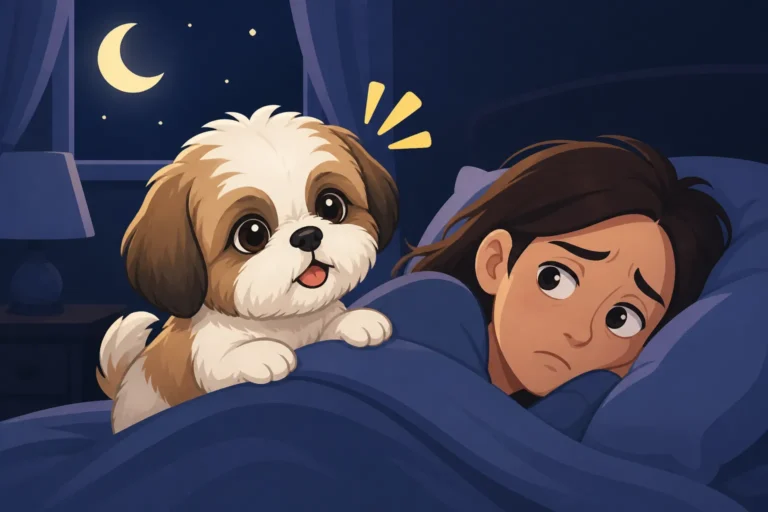
Shih Tzu puppy night waking happens because tiny bladders, anxiety, and learned attention seeking create middle of the night disruptions.

Shih Tzu puppy nipping and teething behaviors require redirection onto appropriate chew toys to manage normal development.
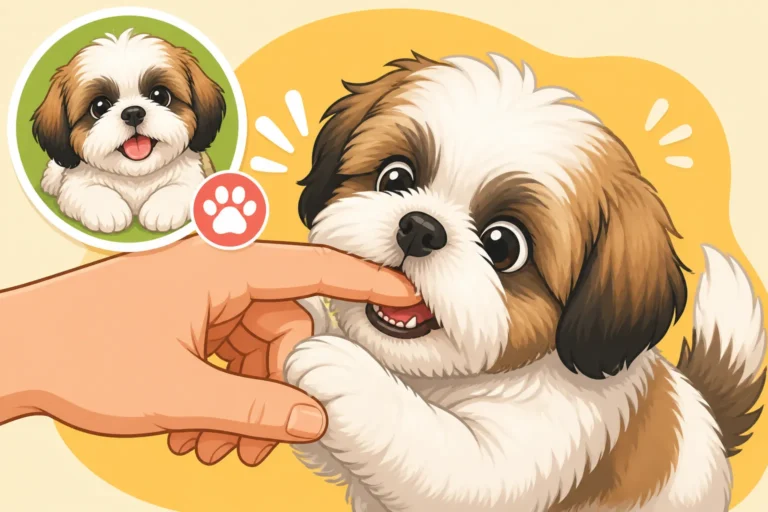
Shih Tzu puppy nipping and mouthing behavior explained alongside methods to teach bite inhibition and relieve teething pain.

Puppy classes for Shih Tzu puppies provide early socialization, impulse control, and confidence to prevent fear and aggression.

Gentle socialization methods help a Shih Tzu puppy build confidence without fear during the crucial three to sixteen week developmental window.