Shih Tzu Bladder Stones and What Causes Them
Shih Tzu bladder stones are hardened mineral deposits forming in the urinary bladder that cause pain and dangerous blockages.
Know what to watch for.
Breed-specific conditions, screening and DNA tests, what surgery actually costs, and the daily habits that stretch a healthy lifespan.

Shih Tzu bladder stones are hardened mineral deposits forming in the urinary bladder that cause pain and dangerous blockages.

Kidney diets for Shih Tzus explain how reduced protein and specialized nutrition reduce kidney workload and manage disease.

Renal dysplasia in Shih Tzus causes early kidney failure and abnormal tissue structures, typically showing symptoms between two and six months of age.
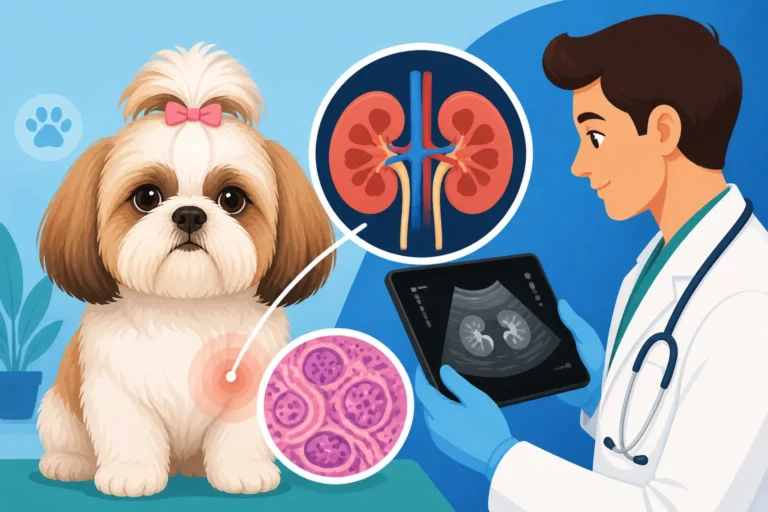
Shih Tzu renal dysplasia diagnosis involves specific veterinary tests explaining malformed kidney tissue and early warning signs.
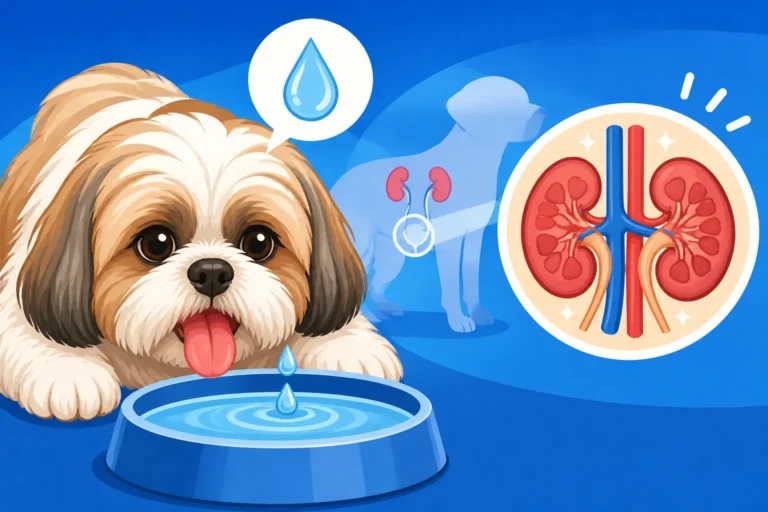
Excessive thirst in a Shih Tzu weighing nine to sixteen pounds can signal kidney disease, helping owners identify early warning signs.
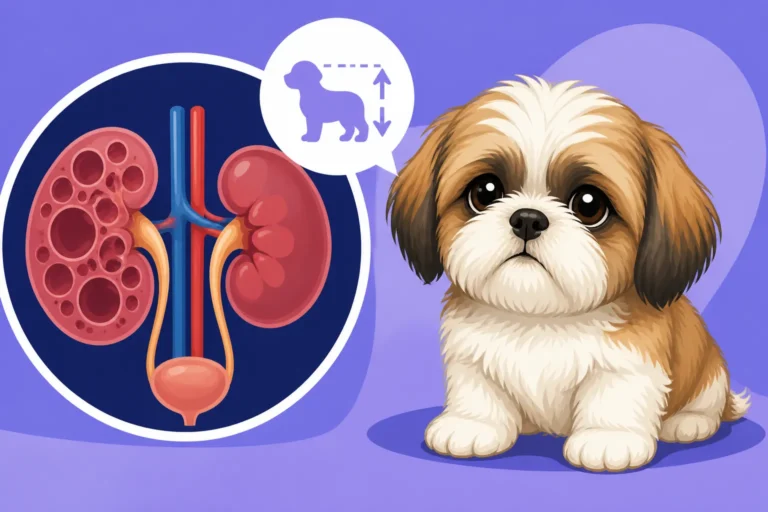
Renal dysplasia in Shih Tzu puppies is an inherited kidney disease causing poor growth, extreme thirst, lethargy, and toxin buildup.

Shih Tzu anesthesia risks stem from flat faces and Brachycephalic Airway Syndrome, causing dangerous respiratory complications.

Shih Tzu exercise intolerance in summer happens because flat faces and thick double coats trap body heat, blocking effective panting.

Flat faces and thick double coats restrict breathing and heat exchange, making Shih Tzus prone to overheating in warm weather.

Stenotic nares in Shih Tzu puppies restrict critical airflow, causing breathing struggles and impacting long-term respiratory health.