Umbilical Hernias in a Shih Tzu Puppy
Finding an unexpected bump on your adorable new Shih Tzu puppy can send any pet parent into a panic, instantly conjuring up all sorts of worst-case scenarios. It’s a completely natural reaction when you’re still getting to know your little one and want nothing more than to ensure they're happy and healthy. This guide is here to walk you through everything you need to know about umbilical hernias in Shih Tzu puppies, from what they are and how to spot them, to understanding the different treatment options and what it means for your furry family member.
Understanding Umbilical Hernias in Shih Tzu Puppies
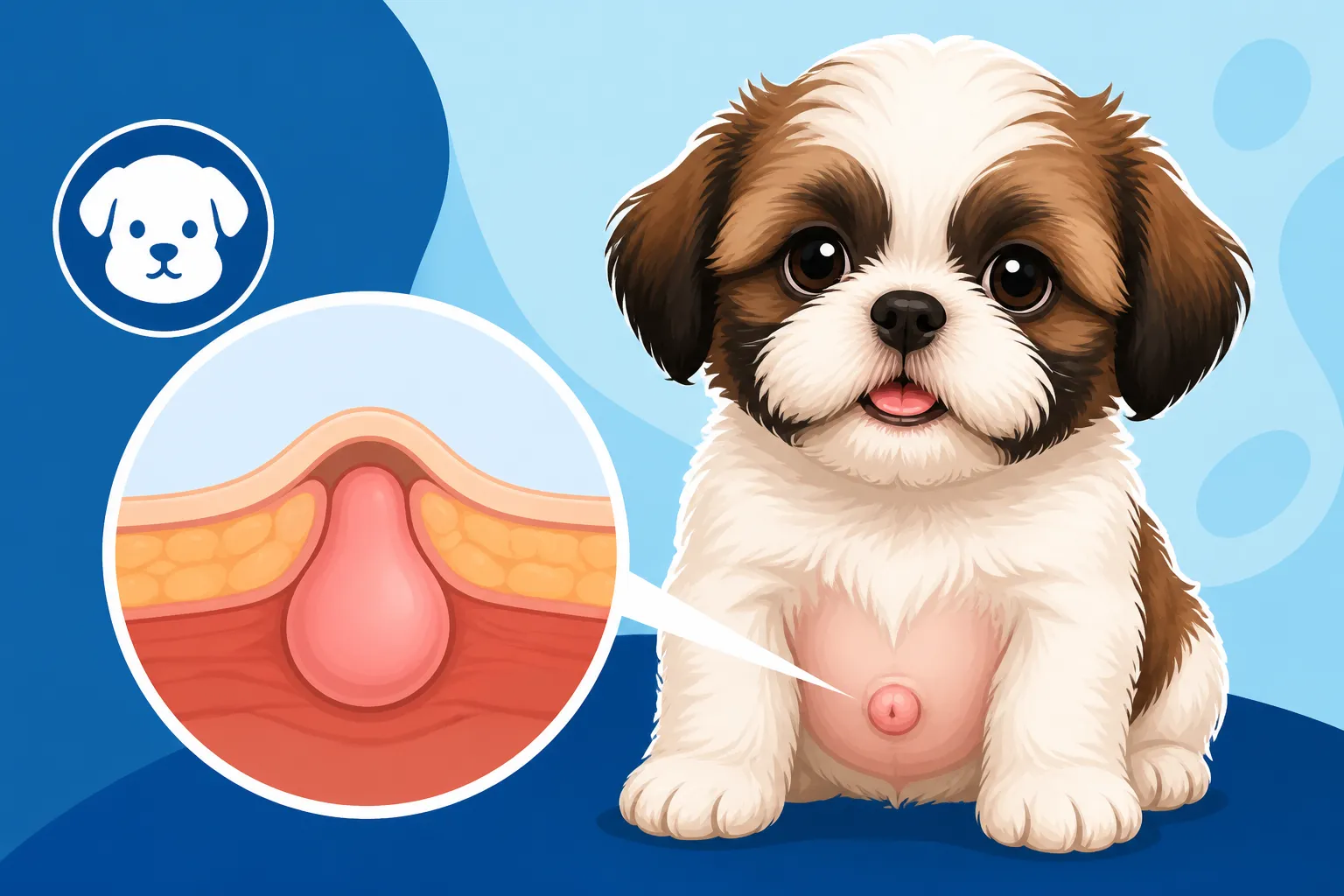
An umbilical hernia in a Shih Tzu puppy, while it sounds alarming, is actually one of the more common congenital conditions we see in many breeds, and Shih Tzus are no exception. It's essentially a small opening in the abdominal wall where the umbilical cord once attached, allowing a small amount of fat or, in rare cases, a part of the intestine, to protrude outwards. Imagine a tiny, soft bulge, usually found right on your puppy's belly button area.
What Exactly Is an Umbilical Hernia?
To really grasp what an umbilical hernia is, let's think back to when your Shih Tzu was just a tiny embryo. Before birth, the umbilical cord is the lifeline, connecting the puppy to its mother and providing all the necessary nutrients. This cord passes through a small opening in the abdominal muscles. After birth, when the umbilical cord is no longer needed, this opening is supposed to naturally close up. An umbilical hernia occurs when, for whatever reason, this muscular ring doesn't fully close.
What you'll typically feel or see is a soft, often squishy lump under the skin. This lump is usually composed of a bit of fatty tissue that has pushed through the unclosed muscle wall. In very rare and more serious cases, a loop of intestine can push through, which is where things can become much more concerning. Most of the time, these fatty protrusions are quite benign, causing no pain or discomfort to your puppy. It's simply a small anatomical quirk from their development.
Why Are Shih Tzus Prone to Them?
While umbilical hernias can occur in any breed, Shih Tzus, like many other toy and brachycephalic breeds, do seem to have a slightly higher predisposition. This isn't due to any fault of their own, but often comes down to a combination of genetics and their smaller size. Some breeders believe there's a hereditary component, meaning if a puppy's parents had umbilical hernias, the offspring might be more likely to develop one. However, it's not always a clear-cut genetic trait; sometimes it's just a random developmental anomaly.
The smaller stature of Shih Tzus, coupled with their often playful and energetic puppy antics, can sometimes make these small openings more noticeable or potentially larger if there's any straining or sudden movements. It's not that these activities cause the hernia, but they can exacerbate an existing, underdeveloped closure. This is why when you bring home your Shih Tzu puppy, a thorough The Puppy Check a Shih Tzu Needs at Eight Weeks is so crucial, as your vet can easily identify these during the initial examination.
Differentiating Between an Umbilical Hernia and Other Bumps
When you first feel a bump on your Shih Tzu puppy, it's easy to jump to conclusions, and rightfully so. Your first thought might be something serious, or you might confuse it with other common puppy lumps. However, an umbilical hernia has a few key characteristics that help differentiate it:
- Location: It will be directly on or very near the umbilical scar, which is their belly button. This is usually on the midline of the belly, just below the ribs.
- Feel: Most umbilical hernias feel soft and squishy, almost like a little balloon filled with air or soft tissue. When you gently press on it, it will often "reduce" or go back inside, meaning you can push the contents back into the abdomen. This is a good sign, indicating it's not trapped.
- Size: They can range from a tiny pea-sized bump to something as large as a grape or even a small walnut. The size doesn't always correlate with severity, but larger hernias might be more prone to complications.
- Lack of Pain: Typically, a simple umbilical hernia doesn't cause pain or discomfort. Your puppy will usually let you touch it without flinching. If your puppy shows any signs of pain, tenderness, or the area feels hot, hard, or swollen, that's an immediate red flag and requires urgent veterinary attention.
Other bumps could be anything from an insect bite, a small bruise, a cyst, or even a tiny fatty tumor (though rare in very young puppies). But if it's right on the belly button and feels soft and reducible, an umbilical hernia is the most likely culprit. Always let your vet confirm the diagnosis, as they have the expertise to properly assess what you’re feeling.
Symptoms, Diagnosis, and Types of Umbilical Hernias
Once you've spotted a potential hernia, the next step is usually a trip to the vet. It's natural to feel anxious, wondering if you've missed something or if your puppy is in danger. Rest assured, your vet is there to guide you through the diagnosis and discuss the best path forward for your little Shih Tzu.
What Does It Look and Feel Like?
As mentioned, a common umbilical hernia is usually a soft, rounded protrusion around the belly button area. For a Shih Tzu with its long, flowing coat, you might not even notice it until bath time or during a belly rub! It can vary in size quite a bit, from a small marble to something more substantial. When you gently try to push the lump back in, it typically "reduces," meaning the contents easily slip back into the abdominal cavity. This is a good sign because it tells us the opening is still wide enough for the tissue to move freely.
The skin over the hernia should look normal – no redness, heat, or hair loss unless your puppy has been excessively licking or chewing at it. Most puppies with reducible umbilical hernias are completely asymptomatic. They eat, play, and grow just like any other puppy. They don't act like they're in pain when you touch the area. If you notice any changes in the lump's appearance, size, or if your puppy starts showing any signs of discomfort, decreased appetite, or vomiting, that's when a mild situation can turn urgent.
When to Consult the Vet: Urgent Versus Routine Check
While many umbilical hernias are detected during routine puppy wellness exams, knowing when to seek immediate veterinary care is crucial.
You should absolutely get your Shih Tzu puppy to the vet for a routine check-up as soon as you notice any lump. It’s always best to get a professional diagnosis. During this appointment, your vet will perform a physical examination, gently palpating the area to determine the size of the opening (the "hernial ring") and whether the contents are reducible. They'll also check your puppy's overall health and discuss its history.
However, certain signs warrant an urgent emergency vet visit:
- Non-reducible hernia: If the lump becomes firm, painful, or you can no longer gently push the contents back into the abdomen. This suggests the tissue is trapped.
- Redness or heat: The skin over the hernia appears red, swollen, or feels warm to the touch.
- Pain: Your puppy cries, flinches, or guards the area when touched.
- Systemic signs: Your puppy seems lethargic, refuses to eat, vomits, or has diarrhea. These are signs of potential serious complications like an incarcerated or strangulated hernia.
For a toy breed like a Shih Tzu, any signs of distress or pain should always be taken seriously, as their small size can sometimes make them more vulnerable to rapid changes in health.
Incarcerated Versus Reducible Hernias
This distinction is key to understanding the potential seriousness of an umbilical hernia.
Reducible Hernias:
This is the most common and generally less serious type. With a reducible hernia, the contents (usually just fatty tissue) can be easily pushed back into the abdominal cavity through the opening. The hernial ring, or the hole in the muscle, is typically large enough for the tissue to move freely in and out.
- Appearance: Soft, usually non-painful, can often be "pushed in."
- Risk: Low risk of immediate complications. Most often, they don't cause any problems.
- Prognosis: Excellent with or without surgical intervention, depending on size and age.
Incarcerated (or Strangulated) Hernias:
This is the type that makes every vet and pet parent sit up straight and pay attention. An incarcerated hernia occurs when the contents of the hernia, most dangerously a loop of intestine, become trapped outside the abdominal wall. This trapping can restrict blood flow to the tissue. If blood flow is completely cut off, it's called a strangulated hernia, which is a life-threatening emergency.
- Appearance: The lump becomes firm, swollen, painful, and cannot be pushed back in. The overlying skin may be discolored (red, purple, or even black) due to lack of blood flow.
- Risk: High risk of severe complications, including tissue death (necrosis), infection, and sepsis, if a portion of the intestine is involved.
- Symptoms: Beyond the lump's appearance, the puppy will likely show signs of severe pain, lethargy, loss of appetite, vomiting, and abdominal discomfort.
- Prognosis: This is a true medical emergency requiring immediate surgical intervention. Without quick treatment, it can be fatal.
Here's a quick comparison in a table to help visualize the differences:
| Feature | Reducible Umbilical Hernia | Incarcerated/Strangulated Umbilical Hernia |
|---|---|---|
| Feel | Soft, squishy | Firm, hard, often swollen |
| Pain | Generally none | Significant pain, tenderness |
| Reducibility | Can be gently pushed back in | Cannot be pushed back in |
| Skin Appearance | Normal | Red, discolored, warm |
| Systemic Signs | None | Lethargy, vomiting, loss of appetite |
| Urgency | Routine vet visit | IMMEDIATE emergency vet visit |
| Contents | Usually fatty tissue | Often intestine, sometimes fat |
| Blood Flow | Unrestricted | Restricted or cut off |
Understanding these differences is crucial for you as a Shih Tzu owner to know when to act quickly.
Treatment Options for a Shih Tzu Umbilical Hernia
Once your vet has diagnosed an umbilical hernia, they'll discuss the best course of action. This can range from simply monitoring it to surgical repair, depending on the size and type of hernia. It's important to remember that every Shih Tzu is an individual, and the best approach will be tailored to your puppy's specific situation.
Watchful Waiting: When Is It Appropriate?
For many small, reducible umbilical hernias in Shih Tzu puppies, the vet might recommend a period of "watchful waiting." This means no immediate surgical intervention. Why? Because sometimes, especially in young puppies, these small openings can spontaneously close on their own as the puppy grows and its abdominal muscles develop and strengthen.
Your vet will likely advise you to monitor the hernia closely, checking it daily for any changes in size, texture, or if it becomes non-reducible or painful. This is usually the recommendation for hernias that are quite small (pea-sized) and contain only fat. If the hernia doesn't close by the time your puppy is 4-6 months old, or if it shows any signs of enlargement or discomfort, then surgery will likely be discussed.
This approach saves your puppy from an unnecessary surgical procedure and the associated anesthesia if the hernia resolves naturally. However, it requires diligent observation from your end to ensure no complications arise.
Surgical Repair: Procedure Details, Timing, and Risks for a Shih Tzu
If the hernia is larger, doesn't close on its own, or becomes incarcerated, surgical repair becomes necessary. The good news is that umbilical hernia repair is a very common and straightforward procedure.
Procedure Details:
The surgery involves making a small incision over the hernia, gently pushing any protruding tissue back into the abdomen, and then stitching the muscular ring closed. Absorbable sutures are typically used. The skin is then closed over the top. It's usually a quick procedure, often taking less than an hour.
Timing:
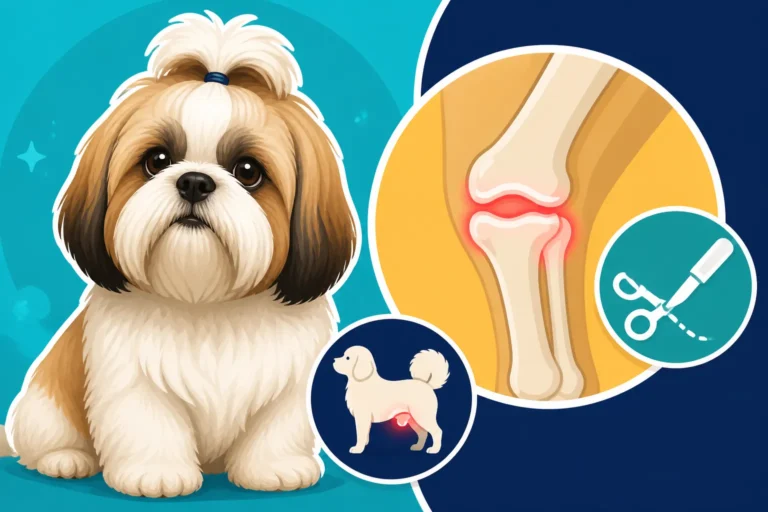
For reducible hernias that aren't causing problems, vets often recommend combining the repair with other routine procedures, most commonly spaying or neutering. This means your Shih Tzu only needs to undergo anesthesia once, reducing overall risk and stress. Neuter Timing Around Shih Tzu Growth Plates is a common discussion point with your vet, and adding a hernia repair at the same time is very efficient.
Risks for a Shih Tzu:
While generally safe, any surgery involving anesthesia carries some risks, especially for brachycephalic (flat-faced) breeds like Shih Tzus. Their unique respiratory anatomy can make them more susceptible to breathing difficulties during and after anesthesia. This is why vets take extra precautions:
- Pre-anesthetic testing: Comprehensive blood work and possibly chest X-rays are crucial to assess organ function and overall health before anesthesia. This also applies to Pre-Anesthetic Testing Before a Shih Tzu Dental or any other surgery.
- Anesthesia protocols: Vets use specific protocols and monitoring equipment tailored for brachycephalic breeds to ensure a smooth induction and recovery. You can read more about Shih Tzu Anesthesia Risk From a Flat Face.
- Close monitoring: Your Shih Tzu will be closely monitored throughout the procedure and during recovery, especially for their breathing.
The cost of Shih Tzu Surgery Costs From the Mouth to the Eye can vary greatly depending on the complexity, your location, and the clinic. A simple umbilical hernia repair might range from $200-$600, but can be higher if performed as an emergency or if complications arise.
Recovery and Post-Operative Care
After surgery, your Shih Tzu puppy will typically go home the same day or the following day. Recovery is usually quite smooth, but a bit of special care from you will help ensure they heal properly.
- Pain management: Your vet will send home pain medication to keep your puppy comfortable. Administer it exactly as prescribed.
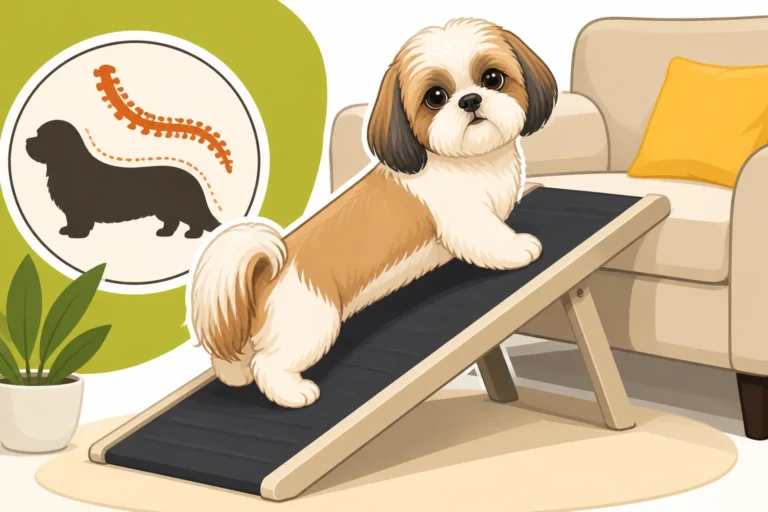
- Restrict activity: For the first 10-14 days, it's crucial to limit your puppy's activity. No jumping, running, or rough play. This means strict crate rest or keeping them in a small, contained area. This is vital to prevent the stitches from tearing and the hernia from recurring. Ramps can also be a helpful investment to protect a developing Shih Tzu's back, as outlined in articles like Ramps for a Shih Tzu With a Long Spine.
- Incision care: Check the incision site daily for any signs of redness, swelling, discharge, or if the stitches look loose or broken. A small amount of bruising is normal, but anything concerning should be reported to your vet.
- Elizabethan collar (E-collar): Your puppy will likely need to wear an E-collar (the "cone of shame") to prevent them from licking or chewing at the incision. This is non-negotiable, as licking can introduce bacteria and lead to infection, or cause the stitches to come out.
- Follow-up: Your vet will schedule a follow-up appointment, usually in 10-14 days, to check the incision and remove any non-dissolvable stitches.
Most Shih Tzu puppies bounce back quickly from umbilical hernia repair, especially when caught early and managed proactively.
Living with a Shih Tzu with an Umbilical Hernia
Bringing a Shih Tzu into your life is a joyful experience, and a hernia doesn't have to overshadow that. Understanding the long-term outlook and how to manage care is part of being a responsible pet parent.
Managing Expectations and Understanding Long-Term Prognosis
For most Shih Tzus, a successfully repaired umbilical hernia has an excellent long-term prognosis. Once the muscle wall is surgically closed, the chance of recurrence is very low. Your puppy can go on to live a full, active, and healthy life without any further hernia-related issues.
If your vet recommends watchful waiting for a very small hernia that doesn't close on its own, it might remain as a small, soft bulge throughout your Shih Tzu's life. As long as it remains reducible, non-painful, and doesn't enlarge, it often poses no health risk. However, it's something you'll want to monitor periodically and mention during annual vet check-ups.
It’s about balancing the concern of a physical abnormality with the reality of its impact. Many Shih Tzus with small, uncorrected umbilical hernias never experience any problems. The key is knowing what to look for and when to seek veterinary advice.
Preventing Complications Before Surgery
If your Shih Tzu has an umbilical hernia that your vet is monitoring (not immediately correcting), there are a few things you can do to minimize the risk of complications:
- Avoid rough play: While Shih Tzus are known for their playful nature, try to discourage overly rough play, especially with bigger dogs or children, that might put excessive strain on their abdominal muscles.
- Prevent obesity: Keeping your Shih Tzu at a healthy weight is vital. Excess weight puts more pressure on the abdominal wall, which could potentially worsen a hernia. Maintaining a lean body condition is good for their overall health anyway, helping to prevent issues like Shih Tzu Obesity on a Sixteen Pound Frame.
- Monitor bowel movements: Ensure your puppy isn't straining excessively during defecation. Any signs of constipation should be addressed promptly by your vet, as straining can also put pressure on the hernia.
- Regular checks: Continue to gently feel the hernia daily or every few days. Get comfortable with its normal size and feel, so you can quickly spot any changes.
- Don't try to "fix" it yourself: Never attempt to tape, bind, or otherwise try to manually close the hernia at home. This can cause more harm than good, potentially trapping tissue or causing irritation and infection.
Financial Considerations and Pet Insurance
Vet care can be expensive, and surgery, even a routine one, adds up. This is a common concern for many pet parents, especially when considering Shih Tzu Puppy Prices and Where the Money Goes and the ongoing costs of care. An umbilical hernia repair, while common, is an additional cost.
This is where pet insurance can be a real lifesaver. Companies like Healthy Paws offer various plans that can help cover unexpected veterinary expenses, including surgical procedures. If you enroll your Shih Tzu puppy in a pet insurance plan early, before any diagnosis of an umbilical hernia, the condition would likely be covered. However, if the hernia is diagnosed before enrollment or during a waiting period, it would typically be considered a pre-existing condition and might not be covered. It's always best to get your Shih Tzu insured as soon as possible after bringing them home.
When considering Shih Tzu Pet Insurance for a Flat-Faced Toy, look for plans that offer good coverage for surgical procedures, diagnostics, and emergency care. While an umbilical hernia may seem minor, the potential for complications or the need for surgery highlights the importance of being financially prepared for your pet's health needs throughout their life. It's an investment in their well-being and your peace of mind.
Disclaimer
Please remember that this article provides general information and guidance. It is not a substitute for professional veterinary advice. Always consult with a qualified veterinarian regarding any health concerns, diagnoses, or treatment options for your Shih Tzu.