Crate and Pen Sizes for a Shih Tzu
Figuring out the right sized crate or playpen for your Shih Tzu can feel like a guessing game, especially when you want them to be comfortable and safe without encouraging accidents. Too big, and they might decide one corner is a bathroom; too small, and it's simply inhumane. This guide is here to walk you through the precise dimensions and thoughtful considerations for choosing the perfect containment solutions, ensuring your little lion dog feels secure, not confined.
The Importance of Correct Sizing for Your Shih Tzu’s Space
It’s easy to think a tiny Shih Tzu can just use any small dog crate, but the truth is, their unique build and needs require a bit more specificity. Getting the size wrong isn't just about comfort; it can actually hinder house training, exacerbate anxiety, and even pose a safety risk. When we talk about crates and pens, we're not just discussing temporary holding cells; we're talking about den spaces, safe zones, and areas for independent play that are crucial for their well-being.
Avoiding Potty Training Setbacks
One of the most common mistakes I see new Shih Tzu parents make is providing a crate that’s far too large for their puppy or even adult dog. The logic often goes: "More space equals more comfort, right?" But for a dog, especially during the critical house training phase, too much space can be a real problem. Dogs instinctively avoid soiling their sleeping area. If a crate is oversized, they can easily push their bedding to one side, relieve themselves in the other, and then curl up in the clean spot, completely bypassing the natural urge to hold it. This teaches them that it’s okay to eliminate indoors, prolonging the house training journey, which, let's be honest, can already feel like it takes an eternity with some Shih Tzus. Remember that for puppies, especially, house training a Shih Tzu runs long, so every tool you use needs to be working with you, not against you.
A properly sized crate, on the other hand, gives them just enough room to stand up, turn around, and lie down comfortably. This limited space encourages them to hold their bladder and bowels until they are let out, reinforcing the idea that they should go outside. It’s a powerful natural training aid that leverages their inherent instincts. Without this, you might find yourself constantly cleaning up messes, wondering why your diligent efforts aren't paying off.
Creating a Secure and Calm Environment
Beyond potty training, the right size contributes significantly to your Shih Tzu’s sense of security. A den-like space mimics the natural dens that canines seek out for safety and rest. If a crate is too vast, it can feel exposed and less secure, almost like sleeping in the middle of an open field. This can be particularly unsettling for a small dog like a Shih Tzu, who might feel vulnerable in an overly large space.
Conversely, a crate that’s too small, where they can barely stretch out or stand without hunching, is simply cruel and stress-inducing. This isn't a den; it's a cage. It won't provide the calm, safe haven you intend it to be. Instead, it will create discomfort and potentially lead to behavioral issues such as excessive barking, destructive chewing out of frustration, or even aggression. The goal is a snug, cozy spot where your Shih Tzu can retreat, feel protected, and truly relax, whether for a nap, overnight sleep, or when you need them to have some supervised alone time.
Choosing the Right Crate: Dimensions and Features
When it comes to selecting a crate for your Shih Tzu, precision in sizing is key. We’re aiming for that "just right" Goldilocks zone. Most Shih Tzus weigh between 9 and 16 pounds and stand about 9 to 10.5 inches tall at the shoulder. These measurements are crucial for determining the internal dimensions of their crate.
Ideal Crate Dimensions
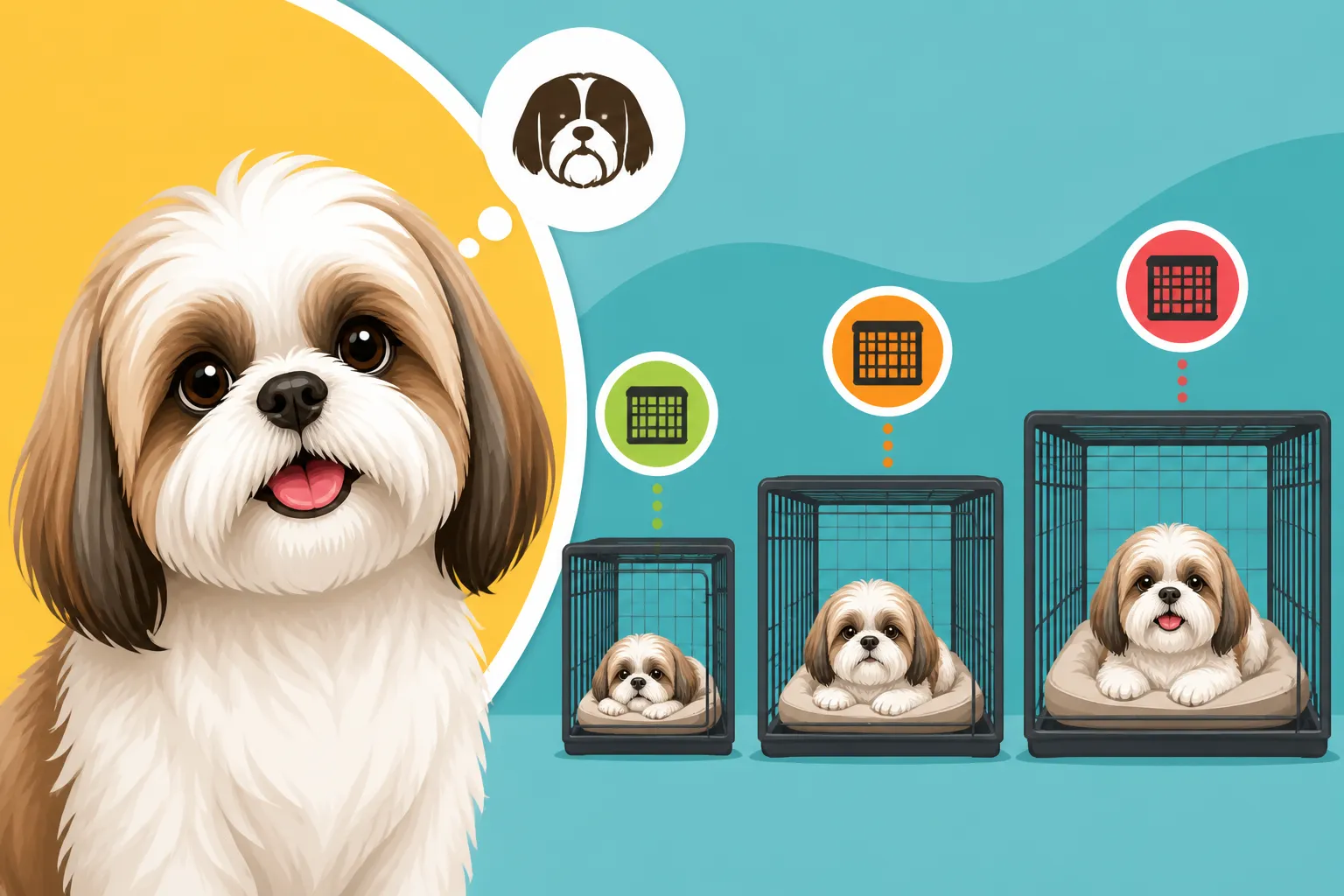
For most adult Shih Tzus, a crate with dimensions of approximately 24 inches long, 18 inches wide, and 19-21 inches high is usually ideal. This provides enough headroom for them to stand without their head touching the top, sufficient length to stretch out fully, and enough width to turn around comfortably.
Let's break that down:
- Length (front to back): Your Shih Tzu should be able to lie down fully extended on their side, with a few inches of space at either end. For a dog that might measure 12-15 inches from nose to tail base, a 24-inch crate offers ample length.
- Width (side to side): They need to be able to turn a full circle easily without bumping into the sides. An 18-inch width usually accommodates this.
- Height (top to bottom): Your Shih Tzu must be able to stand up without their head touching the roof. Given their typical 9-10.5 inch shoulder height, a 19-21 inch high crate is generally perfect, even accounting for their topknot.
If you have a puppy, you might be tempted to buy a smaller crate, but I recommend getting the adult size right away and using a divider. Many wire crates, like those found on Chewy, come with adjustable dividers. This allows you to restrict the space to the appropriate "just enough" size for a growing puppy, preventing accidents. As your puppy grows, you can gradually expand the space. This saves you from having to buy multiple crates and makes the initial investment much more sensible. You can then ensure your Shih Tzu puppy training month by month is supported by consistent crate use.
Types of Crates and Their Best Uses
Not all crates are created equal, and each type offers different advantages depending on your needs:
- Wire Crates: These are the most common and versatile. They offer excellent ventilation, good visibility, and often come with a removable plastic tray for easy cleaning. Many are collapsible for travel. Their open design means you might want to cover them with a blanket to create a more den-like feel for your Shih Tzu. These are fantastic for home use and puppy training.
- Plastic/Vari-Kennel Crates: Often called "travel crates," these provide a more enclosed, den-like feel, which can be comforting for some dogs. They offer less visibility but good security. These are mandatory for air travel (check airline regulations carefully for brachycephalic breeds like Shih Tzus!) and can be great for dogs who prefer a darker, quieter space. However, ventilation can be less than wire crates, so always ensure proper airflow, especially in warmer climates.
- Soft-Sided Crates: Lightweight and portable, these are perfect for temporary use, like trips to a friend's house or dog events. They fold down easily and are comfortable. However, they are not suitable for dogs who are chewers or still learning to be reliably contained, as they can be easily damaged. They also aren't as secure as wire or plastic crates.
- Furniture Crates: These are designed to blend in with your home decor, often looking like end tables or credenzas. They are typically made of wood or engineered wood and can be quite stylish. While aesthetically pleasing, they are usually much heavier and less portable. They also tend to be more expensive. Ensure the internal dimensions still meet your Shih Tzu's needs.
| Crate Type | Pros | Cons | Ideal Use Case |
|---|---|---|---|
| Wire Crate | Excellent ventilation, durable, collapsible, good visibility, affordable, adjustable divider option | Less den-like without cover | Everyday home use, puppy training, general containment |
| Plastic Crate | Den-like, secure, good for travel, airline approved | Less ventilation, less visibility, bulkier | Travel (especially air), dogs preferring enclosed spaces |
| Soft-Sided | Lightweight, portable, comfortable, folds flat | Not for chewers, less secure, harder to clean | Temporary containment, trips, dog shows (supervised) |
| Furniture Crate | Blends with home decor, stylish, sturdy | Expensive, heavy, not portable, less ventilation | Permanent home fixture, aesthetic appeal |
Always consider your Shih Tzu’s individual temperament. Some dogs thrive in open wire crates, while others feel more secure in the cozy confines of a plastic crate. Observing their preferences will help you make the best choice.
Setting Up a Shih Tzu Playpen: Freedom Within Bounds
A playpen, also often referred to as an exercise pen or "ex-pen," serves a different, but equally important, purpose than a crate. While a crate is for focused containment and den-like rest, a playpen offers a larger, safe, and supervised area for your Shih Tzu to move around, play, and engage with toys when you can't give them your full, undivided attention. It's an excellent tool for giving your dog a bit more freedom while still ensuring their safety and preventing them from getting into mischief.
Choosing the Right Playpen Size and Height
For a Shih Tzu, the primary considerations for a playpen are its overall size (the area it encloses) and its height.
- Area: You want enough space for a bed, food and water bowls, and a designated potty area (if using pads) for puppies, along with plenty of room for toys and movement. A standard 8-panel playpen, where each panel is about 24-30 inches wide, will create a roughly 16 square foot area when set up as a square. This is a good starting point. You can adjust the shape (rectangle, octagon) to fit your space, but always ensure they have distinct zones for sleeping, eating, and playing.
- Height: This is critical. While Shih Tzus are small, some can be surprisingly agile. A pen that's too short, say 18 or 24 inches, might be easily cleared by a determined or mischievous pup. For most Shih Tzus, a playpen height of 30 inches is a safe bet. This provides a good barrier that is generally too high for them to jump over, even with a running start. For particularly adventurous or athletic Shih Tzus, a 36-inch height might offer extra peace of mind. You don't want to come back to a surprise because your little escape artist figured out how to clear the fence!
Ideal Playpen Features
When shopping for a playpen, look for these features:
- Material: Metal wire pens are sturdy, easy to clean, and offer good visibility. They also usually come with stakes for outdoor use. Plastic pens are lighter and often come in fun colors, but might not be as durable for persistent chewers. Fabric playpens, while highly portable, are best for already trained dogs and very temporary use, as they offer little resistance to chewing or determined escape attempts.
- Door Access: A pen with a walk-through door is a game-changer for your back! Constantly stepping over the panels, especially if you have a 30-inch high pen, can become a pain. A door makes interaction, feeding, and cleaning much easier.
- Portability: If you plan to move the pen frequently between rooms or take it with you when visiting family, look for models that fold flat easily.
- Indoor/Outdoor Use: Consider if you'll be using it both inside and outside. Outdoor pens usually come with ground stakes to keep them secure.
- Non-slip Feet: For indoor use on hard floors, non-slip rubber feet are essential to prevent the pen from sliding around and scratching your floors.
I remember once a client's Shih Tzu, little Pip, managed to scale a 24-inch pen like a tiny mountain goat, simply by using his dog bed as a launchpad! We upgraded to a 30-inch pen, and the escape attempts ceased. It just goes to show you that these little ones are often smarter and more athletic than they let on. For optimal safety and peace of mind, make sure your Shih Tzu has adequate room for their Indoor Play for a Shih Tzu sessions.
Setting Up and Using Your Shih Tzu's Crate and Pen Effectively
Getting the right sized crate and pen is just the first step. How you set them up and integrate them into your Shih Tzu's daily routine is equally important. These spaces should always be associated with positive experiences, never punishment.
Creating a Cozy Crate Haven
Once you have the correctly sized crate, make it inviting.
- Bedding: Provide soft, comfortable bedding. A small dog bed or a cozy blanket specifically designed for crates will make it much more appealing. Consider a bed that suits a Shih Tzu back, providing good support for their sometimes delicate spines.
- Comfort Items: Include a few safe toys that your Shih Tzu loves. Chew toys can help with boredom and anxiety. You might also want to put in an old T-shirt or blanket that smells like you, which can be comforting.
- Water: For longer periods in the crate (like overnight), consider a spill-proof water bowl that attaches to the crate bars. This ensures your Shih Tzu has access to fresh water without the risk of spills.
- Location: Place the crate in a common area of your home, like the living room or your bedroom. This allows your Shih Tzu to feel like part of the family, even when crated, and reduces feelings of isolation. Avoid putting it in a basement or laundry room where they might feel lonely or ignored.
- Covering: Many Shih Tzus appreciate having their wire crate covered with a lightweight blanket or purpose-made crate cover. This creates a darker, more den-like atmosphere, reducing visual stimulation and promoting relaxation.
Introduce the crate gradually and positively. Never force your Shih Tzu into it. Use treats, praise, and toys to encourage them to enter voluntarily. Feed meals inside the crate with the door open at first, then closed for short periods. This builds positive associations. Remember, the crate is their safe space, not a penalty box.
Maximizing the Playpen’s Potential
The playpen offers a larger space for your Shih Tzu to enjoy when you're busy but still want them contained.
- Designated Zones: In the playpen, set up distinct areas. One corner can have their bed, another their food and water bowls, and a separate spot for a puppy pad if you're still working on house training. This helps teach them to differentiate between sleeping, eating, and potty areas. Companies like Chewy offer a wide range of playpens and accessories, including elevated food bowls that can help keep your Shih Tzu's beard clean.
- Enrichment: Fill the playpen with a variety of toys. Puzzle toys, chew toys, and soft toys can keep them mentally stimulated and physically engaged. This is particularly useful when you need to focus on tasks around the house or work from home. For instance, putting a small Kong stuffed with peanut butter or a high-value treat from brands like Ollie can keep them occupied for a good stretch.
- Supervision, Not Isolation: While the playpen provides containment, it's not a substitute for supervision. Your Shih Tzu should still be checked on regularly. The playpen allows them to be in the same room as you, participating in the family's presence without being underfoot or getting into dangerous situations. It's an excellent way to manage their energy and curiosity, especially for puppies who are still exploring everything with their mouths. This is especially useful for managing their energy levels, as even a low-energy toy dog still needs regular, safe exercise for a low-energy toy.
- Gradual Introduction: Just like the crate, introduce the playpen positively. Let them explore it, put treats inside, and spend short periods of time with them in it. Gradually increase the time they spend alone in the pen. This helps them build up to Shih Tzu alone time and learning to tolerate it.
Both the crate and the playpen are valuable tools in responsible Shih Tzu ownership. When sized correctly and used thoughtfully, they contribute to a well-adjusted, confident, and happily contained companion.
Practical Considerations and Common Misconceptions
When planning for your Shih Tzu's crate and pen, there are a few extra tips and common pitfalls to avoid. These practical considerations can make all the difference in your success.
When to Upgrade or Adjust Size
Your Shih Tzu's needs will evolve throughout their life.
- Puppy Growth: If you started with a divider in an adult-sized crate, remember to adjust it as your puppy grows. The rule of "just enough space" still applies. Once your puppy can comfortably stand, turn, and lie down without touching the divider or walls, you can expand the space a little more. Continue this until the divider is no longer needed.
- Senior Needs: As your Shih Tzu ages, their mobility might decline. A senior Shih Tzu may develop Shih Tzu back problems and disc disease or Shih Tzu joint problems in a toy frame, making it harder to navigate tight spaces or jump over pen walls. You might need to consider a slightly larger crate for easier entry and exit, or ensure their pen has a very low-threshold door. Ramps leading into a crate on an elevated surface can also be a godsend.
- Behavioral Changes: Sometimes, a dog that was once comfortable in their crate might start showing reluctance. This could be due to a medical issue (always rule this out with your vet first) or a negative association. If they're suddenly struggling, revisit your positive reinforcement strategies and ensure the crate still feels like a safe, comfortable retreat. If behavioral issues persist, consider consulting a professional trainer.
Portable Options for Travel
Life with a Shih Tzu often involves travel, whether it's a short trip to the vet or a vacation.
- Car Safety: For car travel, a crash-tested travel crate or carrier is paramount. This protects your Shih Tzu in case of a sudden stop or accident. While soft-sided carriers are convenient, they offer minimal protection in a collision. Consider sturdy plastic or metal crates designed for vehicle safety.
- Hotel Stays: Many hotels that allow pets require them to be crated when left alone in the room. A lightweight, collapsible wire crate or soft-sided travel crate is perfect for these situations. Always check the hotel's pet policy beforehand.
- Airline Travel: If your Shih Tzu is flying with you in the cabin, they'll need an airline-approved soft-sided carrier that fits under the seat in front of you. Dimensions vary by airline, so double-check before you buy. Remember, for brachycephalic breeds, flying in cargo is generally not recommended due to respiratory risks.
Avoiding Common Mistakes
- Never Use as Punishment: This is critical. The crate and pen should always be positive spaces. Sending your Shih Tzu to their crate as a punishment will create negative associations and make them dread the space, undermining all your training efforts.
- Don't Over-Crate: While beneficial, excessive crating can lead to behavioral problems, frustration, and anxiety. Shih Tzus are companion dogs and thrive on interaction. Ensure they get plenty of exercise, playtime, and human companionship outside of their confined spaces. Think of it as a tool for short-term management and safe resting, not a permanent solution for all day.
- Keep it Clean: A dirty crate or playpen can deter your Shih Tzu from using it comfortably. Regularly clean bedding, wipe down surfaces, and sanitize the plastic tray. This helps maintain a hygienic environment and encourages its use.
- Consider Location Wisely: If your Shih Tzu barks excessively at everything they see, placing their pen directly in front of a window might not be the best idea. A common problem many Shih Tzu owners face is a Shih Tzu barking at the window, often due to seeing passersby or other dogs. Adjust the location to minimize unwanted triggers while still keeping them involved in family life.
Ultimately, choosing the right crate and pen sizes for your Shih Tzu is an act of care. It's about respecting their natural instincts, ensuring their safety, and supporting their training and well-being from puppyhood through their senior years. With these considerations in mind, you can create spaces where your beloved companion feels truly at home.
Disclaimer
Please remember that this information is for educational purposes only and is not a substitute for professional veterinary advice. Always consult with your veterinarian regarding your Shih Tzu's specific health, behavior, and care needs.