The Belief That a Shih Tzu Carried a Monk’s Soul
For centuries, whispers and ancient texts have entwined the adorable Shih Tzu with a spiritual significance far beyond that of a mere household pet. Many people are fascinated by the rich, mystical history behind these fluffy companions, specifically the enduring belief that a Shih Tzu might carry the reincarnated soul of a Buddhist monk or lama. This guide dives deep into the fascinating origins of this ancient idea, exploring how it shaped the breed's revered status and its journey from sacred temple guardian to beloved family member.
The Mystical Origins of the Lion Dog
To understand the profound spiritual connection associated with the Shih Tzu, we must first journey back to the high altitudes and serene monasteries of Tibet. Here, amidst prayer flags and sacred chants, small dogs were not just companions but revered beings, often referred to as "lion dogs." This moniker wasn't merely about their luxurious manes resembling a lion's, but deeply rooted in Buddhist symbolism. The lion, specifically the Snow Lion, is a national emblem of Tibet and a powerful symbol in Buddhism, representing courage, nobility, and dominion over the mountains. These small dogs, with their proud carriage and flowing coats, were seen as earthly manifestations of these mythical protectors.
The belief that these dogs could carry the souls of monks wasn't a casual superstition; it was a deeply ingrained aspect of Tibetan Buddhist cosmology. The cycle of reincarnation, or samsara, teaches that souls pass from one body to another based on karma. For a devoted monk, attaining enlightenment was the ultimate goal, but sometimes, a soul might take a detour, perhaps to complete a spiritual task or even to continue a gentle guardianship. These "lion dogs" were thus seen as vessels for these highly evolved souls, particularly those of revered lamas or monks who had chosen to return in a more humble, yet still sacred, form. This bestowed upon them an extraordinary level of respect and gentle treatment within the monastic communities.
Shih Tzus in Tibetan Monasteries and Their Spiritual Role
Within the quiet sanctity of Tibetan monasteries, these lion dogs, the ancestors of our modern Shih Tzus, lived lives of privilege and profound spiritual importance. They weren't working dogs in the conventional sense, herding sheep or guarding against intruders in the vast wilderness. Instead, their primary role was one of companionship and spiritual guardianship. They would often accompany monks during meditation, offering a silent, comforting presence. It was believed that their very existence brought good fortune and protection to the monastery and its inhabitants.
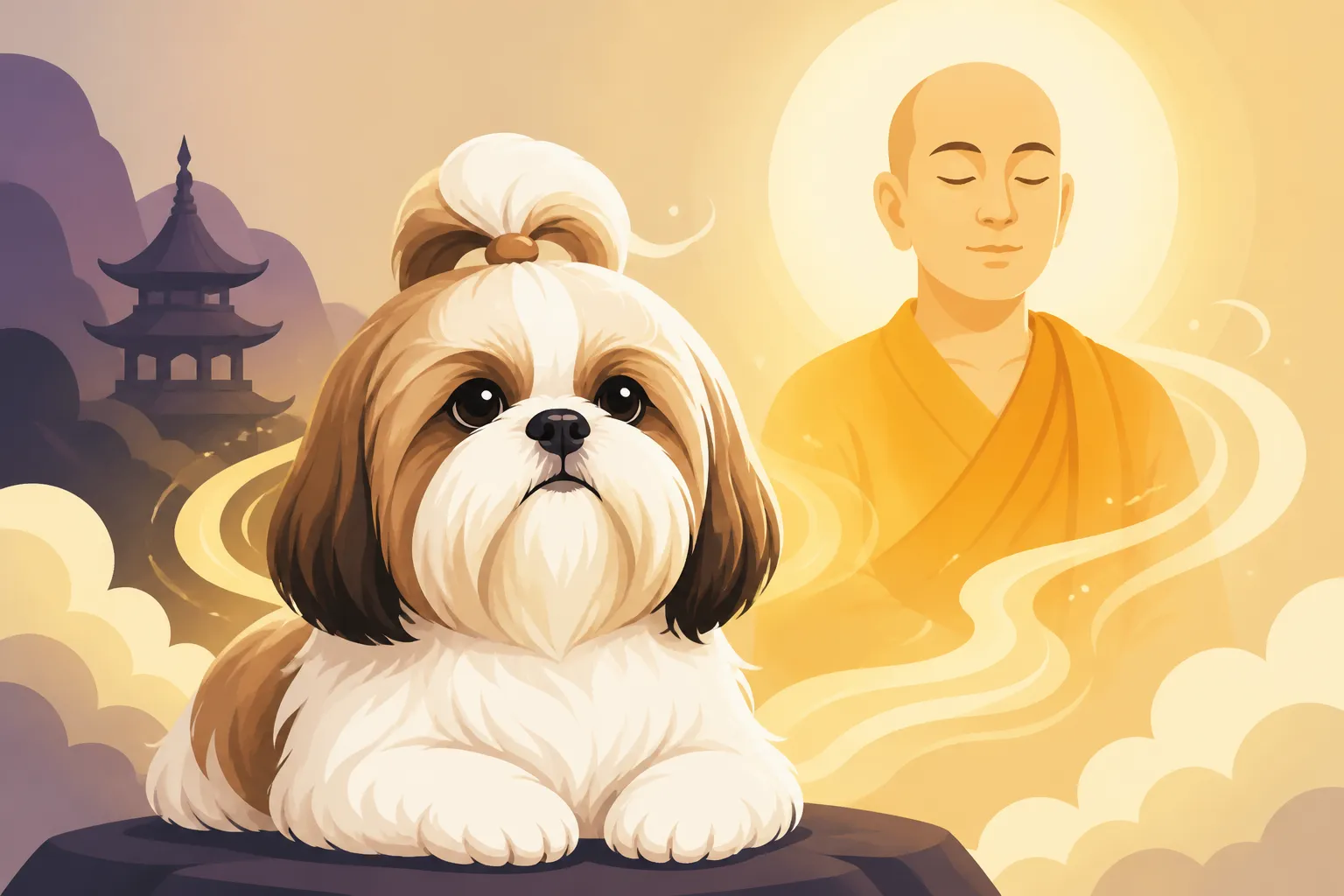
Imagine a monk seated in quiet contemplation, with a small, fluffy dog curled at his feet or even resting gently in his lap. This wasn't just a pet; it was a fellow traveler on the spiritual path, a being potentially carrying wisdom and grace from a past life. This inherent reverence meant that these dogs were cared for with meticulous attention. Their long, flowing coats, which contributed to their "lion-like" appearance, were diligently maintained, perhaps as a physical testament to their sacred status. Their dietary needs would have been met with care, and they would have been protected from harsh elements, living indoors in the warmth of the temples. The concept of Why Tibetan Monasteries Kept Small Dogs is intrinsically linked to this spiritual function.
| Aspect of Belief | Traditional Interpretation | Impact on Shih Tzu Life in Monasteries |
|---|---|---|
| Soul Carriers | Believed to house the reincarnated souls of Buddhist monks/lamas. | Elevated status, profound respect, gentle handling. |
| Lion Symbolism | Embodiment of the sacred Snow Lion, representing protection. | Valued as guardians of spiritual spaces and good fortune. |
| Companionship | Provided silent, comforting presence during spiritual practices. | Close proximity to monks, intimate daily life. |
| Good Fortune | Their presence brought blessings and positive karma. | Cherished, protected, and seen as bringers of prosperity. |
| Physical Appearance | Long, flowing coat akin to a lion's mane, contributing to mystique. | Meticulous grooming and care, enhancing their sacred image. |
From Sacred Relic to Imperial Court Companion
The journey of the Shih Tzu from the remote Tibetan plateaus to the opulent imperial courts of China further cemented its esteemed status, although the specific spiritual belief evolved slightly in translation. As gifts from the Dalai Lama to Chinese emperors, these "lion dogs" were seen as living tributes, carrying immense prestige. While the Chinese imperial court might not have adopted the exact Buddhist concept of soul reincarnation in the same way Tibetan monks did, they certainly recognized the dogs' sacred origins and treated them with similar reverence.
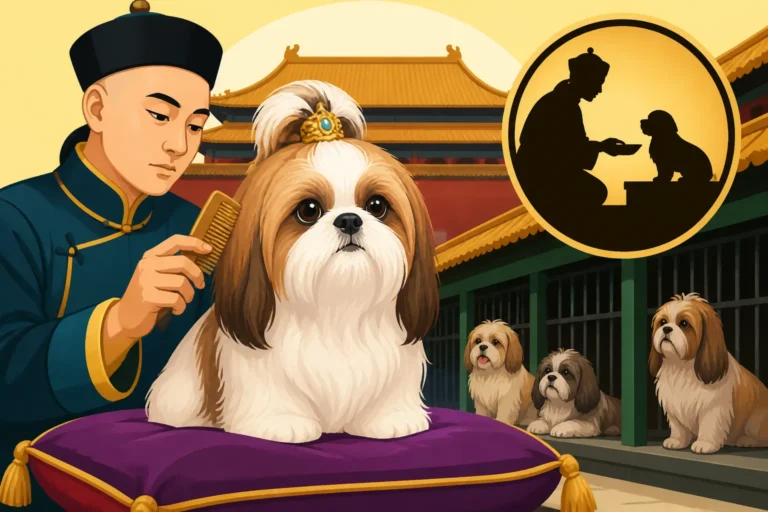
In the Forbidden City, Shih Tzus were cherished companions, often depicted in art and poetry. They lived lives of luxury, attended by eunuchs whose sole purpose was to care for the royal dogs. Their intricate grooming, lavish diets, and comfortable living quarters reflected their elevated position. This was a continuation, in a sense, of the careful stewardship they received in Tibet. The idea of The Shih Tzu as a Wedding Gift to China highlights this tradition of gifting these precious animals, underscoring their value. Even today, when we look at our modern Shih Tzus, we're glimpsing a lineage steeped in this historical reverence. We still strive to provide them with the best care, from nourishing foods found at places like Chewy to comfortable beds and gentle grooming tools, echoing the meticulous care they received centuries ago.
The imperial breeders, particularly during the Qing Dynasty under figures like Dowager Empress Cixi, painstakingly developed the breed to enhance its most charming features. They sought to preserve the "chrysanthemum face" and the flowing double coat, believing these traits were essential to the breed's aesthetic and symbolic appeal. This careful breeding and maintenance were a direct result of their understanding of the Shih Tzu's unique status, even if the specific "monk's soul" narrative was more Tibetan. Whether they explicitly believed in the transfer of souls or simply in the profound blessing these dogs brought, their actions showed immense respect. This era laid the groundwork for The Shih Tzu From Tibetan Temples to American Homes, as these dogs eventually made their way to the West.
The Enduring Legacy of a Spiritual Companion
Even today, centuries removed from their monastic origins, the ancient belief that a Shih Tzu might carry a monk's soul continues to add a layer of mystique and charm to the breed. While most modern owners might not literally believe their fluffy friend houses a reincarnated lama, the story influences how we perceive and treat these dogs. It speaks to their gentle, intelligent, and often serene demeanor, qualities that might be attributed to the wisdom of an ancient soul. There's a certain calm and knowing look in a Shih Tzu's eyes that can make you wonder, isn't there?
This powerful historical narrative serves as a beautiful reminder of the deep bond humans have shared with dogs throughout history, particularly in spiritual and cultural contexts. It encourages us to view our Shih Tzus not just as pets, but as sentient beings worthy of respect, love, and the very best care. This translates into ensuring they have a healthy diet, perhaps exploring different high-quality kibbles or fresh food options available on platforms like Chewy, ensuring their gorgeous coats are brushed regularly with the right tools, and providing them with ample opportunities for gentle exercise and mental stimulation. The notion of a Shih Tzu Lifespan and the Thirteen Year Average is also part of this care; we want to give these special companions the longest, happiest lives possible.
For those of us who share our lives with a Shih Tzu, understanding this history enriches our appreciation for them. It adds depth to their endearing quirks and strengthens our commitment to their well-being. It’s a connection to an ancient world where dogs were seen as more than just animals—they were spiritual confidantes, living symbols, and cherished members of a sacred community. When you look into your Shih Tzu's eyes, you might just feel a connection to something ancient and profound, a subtle echo of the monastic reverence that once surrounded these beautiful "lion dogs." Even something as simple as finding the perfect, comfortable bed for your Shih Tzu from a trusted retailer like Chewy can feel like a small nod to their historical status, ensuring they rest in comfort, just as their ancestors did in the warm temples of Tibet.
Disclaimer
This article is for general informational purposes only and does not constitute professional advice. Laws, prices and regulations vary by location and change over time. Consult a qualified professional for guidance on your specific situation.