Why a Shih Tzu Slips on Wood Floors
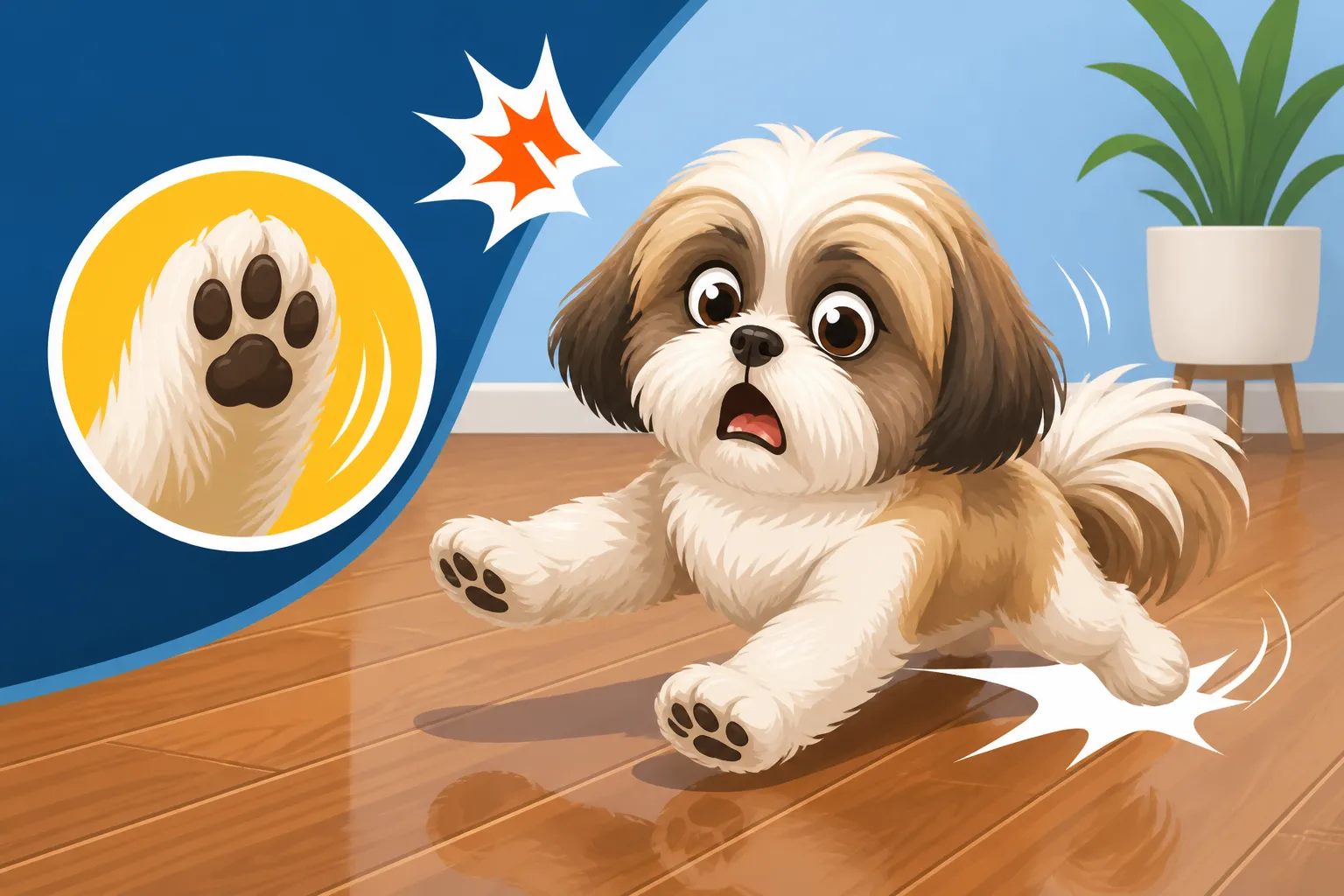
It's a heartbreaking sight, isn't it? You watch your beloved Shih Tzu, with their sweet, expressive face, try to navigate your beautiful hardwood or tiled floors, only to see their little legs splay out from under them. It's not just a minor inconvenience; it's a terrifying experience for them and a worry for you, potentially leading to injuries. This comprehensive guide will delve into exactly why your Shih Tzu might be struggling on slippery surfaces and, more importantly, what practical steps you can take to give them back their confidence and stability.
Understanding the Anatomy of a Shih Tzu's Slip
When we see our Shih Tzu struggle on a smooth floor, it often looks like they're just being clumsy. But there are very real, physical reasons why these adorable little dogs are particularly prone to slipping and sliding, often related to their unique build and how their paws interact with different surfaces. It's not about them being uncoordinated; it's about the physics of their paws and bodies against a slick environment.
The Problem with Paw Pads and Claws
Think about your own feet. When you walk barefoot on a smooth floor, your skin provides some grip, but your toenails don't really help with traction. For dogs, it's a similar principle, but with a crucial difference. A Shih Tzu's paw pads are naturally designed to provide grip on varied, natural terrain – think dirt, grass, and uneven ground. These pads are somewhat rough and flexible, allowing them to conform to surfaces and provide friction. However, on highly polished wood, laminate, or tile, that natural friction can be drastically reduced.
Beyond the pads themselves, their claws play a significant, often overlooked, role. Unlike cats, dogs' claws don't retract. When your Shih Tzu walks on a soft surface like carpet or grass, their claws sink into the material, providing extra grip and stability. But on a hard, smooth surface, long claws can act like ice skates. Instead of the paw pads making full contact with the ground, the claws hit first, lifting the pads slightly and reducing the crucial friction needed to prevent slipping. This is especially true if the claws are allowed to grow too long. You can literally hear the clicking on the floor, which means the claws are making contact, not the pads. Keeping those nails trimmed short, to the point where they don't click on the floor, is absolutely vital. For help with this, you might find valuable insights in Cutting Shih Tzu Nails Without a Groomer.
The Role of Paw Hair and Body Weight Distribution
Another significant factor, especially for a breed like the Shih Tzu with its glorious, flowing coat, is the hair that grows between their paw pads. While this hair might look cute, if it's not regularly trimmed, it can grow long enough to cover the paw pads entirely. Imagine trying to walk across a slippery floor with tiny, fluffy slippers on – that's essentially what excessive paw hair does to your Shih Tzu. It prevents their natural paw pads from making direct, gripping contact with the floor, turning their paws into little fuzzy skates. This issue can sometimes lead to serious matting if neglected, further impacting their ability to walk comfortably or even stand. You really need to be diligent about clearing that hair out. Learning about Clearing Hair From Between Shih Tzu Pads can make a huge difference here.
Furthermore, a Shih Tzu's body structure contributes to their slipping woes. They are a small, toy breed, and while adorable, their lightweight frame means less downward pressure to create friction on slick surfaces. They often have a somewhat rectangular build and a relatively low center of gravity, which can make them more prone to losing balance when their feet suddenly lose traction. Unlike larger, heavier breeds that might have more muscle mass to stabilize themselves, a Shih Tzu often lacks that brute force. This lighter frame can also mean their gait is naturally a bit more delicate, and when they encounter a slippery spot, they might overcompensate, leading to further instability or even a fall.
How Age and Health Exacerbate Slipping Issues
While even a young, healthy Shih Tzu can struggle on smooth floors due to their anatomy, these problems often become much more pronounced as they age or if they develop certain health conditions. It’s a sad reality that our furry friends, just like us, face physical challenges as they get older, and these can severely impact their ability to navigate their home environment safely.
The Onset of Arthritis and Joint Problems
One of the most common culprits for increased slipping in older Shih Tzus is arthritis. Over time, the cartilage in their joints can wear down, leading to pain, stiffness, and reduced flexibility. This is particularly true in breeds prone to joint issues, and our little Shih Tzus, despite their small size, are no exception. Conditions like patellar luxation (slipping kneecaps) and even hip dysplasia, though less common in toy breeds, can make movement painful and unstable. When a dog is in pain, they might try to shift their weight, walk hesitantly, or avoid putting full pressure on a sore limb. On a smooth floor, this compensatory movement can easily lead to a slip or a fall, further aggravating their pain or even causing injury.
Imagine waking up with stiff, achy knees and then being asked to walk across a freshly waxed floor – it would be terrifying. That’s often what our senior Shih Tzus experience daily. They lose their youthful spring in their step, and their muscles might not be as strong to recover from a minor slide. Providing proper Joint Support for a Shih Tzu Back and Knees can be invaluable here, helping to manage pain and improve mobility, but the environment still needs to be adjusted. If you’re seeing signs of this, you’ll want to look into Shih Tzu Joint Problems in a Toy Frame and Shih Tzu Arthritis After the Age of Nine for more detailed information.
Muscle Weakness and Mobility Decline
As Shih Tzus enter their golden years, a general decline in muscle strength is natural. This age-related muscle loss, known as sarcopenia, makes it harder for them to maintain balance and recover from a misstep. Their core strength might weaken, making their back legs more prone to splaying out. This isn't just about their legs; it affects their entire body's ability to move fluidly and confidently. They might start to shuffle their feet more, rather than lifting them cleanly, increasing the risk of friction-less glides on slick surfaces.
Furthermore, conditions like intervertebral disc disease (IVDD), which Shih Tzus are unfortunately prone to due to their long backs, can cause weakness, pain, and neurological deficits in their hindquarters. Even mild disc issues can make a dog hesitant to move, leading to a stiff, unnatural gait that struggles on smooth floors. A dog experiencing back pain might refuse to jump, or might even yelp when lifted, and their compromised mobility makes slippery surfaces exceptionally dangerous. It’s important to recognize signs of Shih Tzu Mobility Decline in Old Age and adjust their living space accordingly. Regular, gentle exercise appropriate for their age and condition, as detailed in articles like The Short Walks a Shih Tzu Is Built For, can help maintain muscle tone, but supportive measures at home are still paramount.
Environmental Solutions to Boost Traction
Once you understand why your Shih Tzu is slipping, the good news is that there are many practical and effective ways to make your home a safer, more comfortable place for them. These solutions focus on increasing traction and reducing the opportunity for slips, transforming your slippery floors into dog-friendly pathways.
Strategic Use of Rugs and Runners
This is perhaps the simplest and most effective solution. Covering slippery floor surfaces with rugs and runners immediately provides the traction your Shih Tzu needs. Think about placing runners in high-traffic areas where your dog frequently walks – from the living room to the kitchen, down hallways, and certainly around their food and water bowls. Area rugs in main gathering spots like the family room give them a secure place to lie down, play, and move around without fear.
When choosing rugs, opt for ones with non-slip backings to prevent the rugs themselves from sliding. If your chosen rug doesn't have this, you can buy non-slip rug pads separately, readily available on platforms like Amazon or local home goods stores. The key is to create continuous, safe pathways. Avoid leaving "islands" of slippery floor between rugs, as your Shih Tzu might try to navigate them and still slip. For a truly senior or unstable dog, consider wall-to-wall carpeting or large, interconnected area rugs that cover most of the hard flooring. This creates a consistent, secure environment for them to move freely.
Paw Protection and Traction Aids
Beyond floor coverings, you can also add traction directly to your Shih Tzu's paws. These solutions are particularly helpful for areas that can't be fully carpeted or for when your dog needs to venture onto a smooth patch.
- Paw Waxes and Balms: Products like Musher's Secret or other paw balms create a protective, slightly tacky layer on your dog's paw pads, significantly improving grip on smooth surfaces. They also help moisturize pads, preventing cracking. Many excellent options are available from retailers like Chewy. You simply apply a thin layer to their paw pads, and it creates an immediate, albeit temporary, non-slip effect. It's a great daily routine for dogs that spend a lot of time indoors on hard floors.
- Dog Socks or Booties: These are little "shoes" for your dog that come with non-slip soles. They can be a bit of a learning curve for dogs to get used to, but once they do, they provide excellent traction. Look for options designed for indoor use that are lightweight and breathable, with good grip on the bottom. Amazon offers a wide variety of styles and sizes. Ensure they fit snugly but comfortably, without restricting blood flow or causing discomfort between the toes.
- Disposable Paw Grips: Some brands offer adhesive pads that stick directly to your dog's paw pads, providing a temporary, non-slip surface. These are great for short-term needs or if your dog absolutely refuses to wear booties. They're typically trimmed to fit and can last a few days before needing replacement.
Here’s a quick comparison of some common traction aids:
| Traction Aid | Pros | Cons | Best Use Case |
|---|---|---|---|
| Rugs & Runners | Highly effective, broad coverage | Can be costly, some dogs still jump off | High-traffic areas, main living spaces |
| Paw Wax/Balm | Easy to apply, natural feel | Needs frequent reapplication, can be messy | Daily use, short-term grip boost |
| Dog Socks/Booties | Excellent grip, protect paws | Some dogs resist, can fall off | Indoor/outdoor use, sustained activity |
| Adhesive Paw Grips | Good grip, less bulky than booties | Temporary, can irritate sensitive paws | Specific slippery spots, short-term needs |
Ramps and Stairs for Safe Access
If your Shih Tzu loves to jump on and off furniture – and let's face it, most do – then slippery floors compound the risk of injury, especially to their delicate backs and joints. Providing ramps or pet stairs is a fantastic way to prevent dangerous jumps and descents. A dog that launches itself off a sofa onto a hard, slick floor is putting immense strain on its spine and legs, which can lead to problems like disc injuries. You can read more about avoiding these issues in Ramps for a Shih Tzu With a Long Spine.
Place ramps next to sofas, beds, or any elevated surfaces your Shih Tzu frequents. Look for ramps with a non-slip surface, like carpet or textured rubber, to ensure they can climb and descend confidently. This not only prevents slipping on the floor but also protects their joints from the impact of jumping, which is crucial for preventing conditions like Shih Tzu Back Problems and Disc Disease. Even a healthy Shih Tzu will benefit from these, but for a senior dog or one with existing joint issues, they are absolutely essential.
Grooming and Nutrition for Optimal Mobility
Beyond environmental modifications and direct paw protection, two fundamental aspects of Shih Tzu care—grooming and nutrition—play an incredibly important, if often overlooked, role in their overall stability and mobility, especially on challenging surfaces. Thinking about these factors as part of a holistic approach can significantly improve your dog's confidence and reduce their risk of slipping.
Precise Paw and Nail Grooming
We touched on this earlier, but it truly deserves its own section because it's such a foundational part of preventing slips. A Shih Tzu's long, luxurious coat extends everywhere, including between their paw pads. If this hair is left untrimmed, it grows long, creating a fluffy barrier between the paw pads and the floor. This completely negates the natural traction their pads are designed to provide.
Regular grooming needs to include meticulous trimming of the hair between the paw pads. This isn't just a cosmetic concern; it's a critical safety measure. You want to trim this hair flush with the paw pads, ensuring that the pads themselves are fully exposed and can make direct contact with the ground. This simple act alone can dramatically improve their grip on smooth surfaces. If you groom your Shih Tzu at home, invest in a good pair of blunt-nosed grooming scissors or a small, quiet trimmer to carefully remove this hair. If you use a professional groomer, always specify that you want the paw pad hair trimmed short.
Similarly, maintaining short nails is paramount. When a Shih Tzu's nails are too long, they hit the floor first, pushing the paw pads up and back, preventing proper contact and grip. It’s like trying to walk in high heels on ice. Short nails allow the paw pads to flatten out and engage fully with the walking surface, providing the maximum possible traction. Aim to trim your Shih Tzu's nails regularly, ideally every 2-4 weeks, so that they don't extend past the paw pads when your dog is standing. If you can hear their nails clicking on the floor, they are too long. For dogs that resist nail trims, consider using a grinder, which can be less intimidating for some. This might also be a good topic to discuss with your vet or groomer if you're unsure.
Supporting Joint Health Through Diet and Supplements
While not directly preventing a slip, a strong, healthy body, particularly healthy joints, will give your Shih Tzu the best chance of navigating slippery floors safely and recovering from any momentary loss of balance. Nutrition plays a key role here.
Ensure your Shih Tzu is eating a high-quality dog food that provides balanced nutrition. For senior dogs or those with known joint issues, many premium dog foods are formulated with added joint support ingredients like glucosamine and chondroitin. Brands like Ollie, known for their fresh, human-grade ingredients, can be an excellent option for overall wellness, which includes supporting muscle and joint health through nutrient-dense foods. A healthy weight is also absolutely crucial; excess weight puts undue strain on all joints, making a slip more likely and the consequences potentially more severe. Learning about Shih Tzu Obesity on a Sixteen Pound Frame is a great start to understanding this balance.
Beyond their regular diet, consider adding joint supplements if your vet recommends them, especially for older Shih Tzus or those showing early signs of stiffness. These supplements often contain glucosamine, chondroitin, and MSM, which can help support cartilage health and reduce inflammation. Omega-3 fatty acids (like fish oil) are also beneficial for their anti-inflammatory properties, contributing to overall joint comfort and coat health, which indirectly aids mobility by keeping their body comfortable. Always consult with your veterinarian before introducing any new supplements to ensure they are appropriate for your individual Shih Tzu's health needs and won't interfere with any existing medications. A healthy, mobile Shih Tzu is a happier, safer Shih Tzu, capable of enjoying their home without fear of falling.
Disclaimer
This article is for general informational purposes only and does not constitute professional advice. Laws, prices and regulations vary by location and change over time. Consult a qualified professional for guidance on your specific situation.